





 English
  4 min of reading
  0 comments


The story of Alimata Bara reveals how economic migration transformed marriages, family income, and the routine of women who have been waiting for absent husbands for years
A social reality with a significant family impact marks Beguédo, a small village located in eastern Burkina Faso, in West Africa. The region became known for the presence of so-called “single wives,” women married to men who migrated to work abroad and spend years, sometimes decades, without living with them. Among these women is Alimata Bara, a merchant who married in 2009, at the age of 17, to Saada, one of the so-called “Italians,” a nickname given to economic migrants who went to Italy in search of work. The couple believed that she would also go abroad and leave behind the hardships of rural life, but the European economic crisis and changes in migration policies thwarted this plan.
Economic migration changed the fate of many families
Soon after the wedding, Saada lost his job and was unable to take Alimata to Italy. Since then, he has returned to Beguédo only twice, and the couple spent less than six months together between 2009 and 2015. As a result, Alimata remained in her husband’s family home, as local custom dictates, and took care of her daughter Omayma, her son Obaidou, and her elderly in-laws. Besides the domestic routine, she works on the farm, cooks, and organizes the family’s life, becoming the main caregiver and provider of the house.
Charcoal trade became a survival alternative
The money sent by Saada arrived only from time to time and in small amounts. Therefore, Alimata decided to build her own source of income. During her daughter’s pregnancy, she sold vegetables at the market, even spending hours under the sun and facing physical exhaustion. With the savings, she bought bags of charcoal to resell and gradually reinvested the profits into the small business. Today, she keeps about 30 bags of charcoal stored in a shelter built in front of the house. When she finds time, she also cycles to her mother’s farm to help cultivate okra, millet, onions, and peanuts.
-
Single wives in the “Little Italy” of Africa live decades without their husbands and support entire families after frustrated promises of migration to Europe.
-
Residents saw a flash before dawn in Mexico, Pemex refinery became the focus of an oily leak, removed 549 m³ of fossil fuels and raised an alert in a lagoon used by fishermen.

-
Number of icebergs from Greenland quadruples in 25 years, changes the North Atlantic seabed, and raises an alert for ships on new Arctic routes.
-
Amid toxic foam, satellites, and smart buoys, São Paulo presents a R$ 23.5 billion plan that could change the way Tietê and Pinheiros are monitored until 2029.


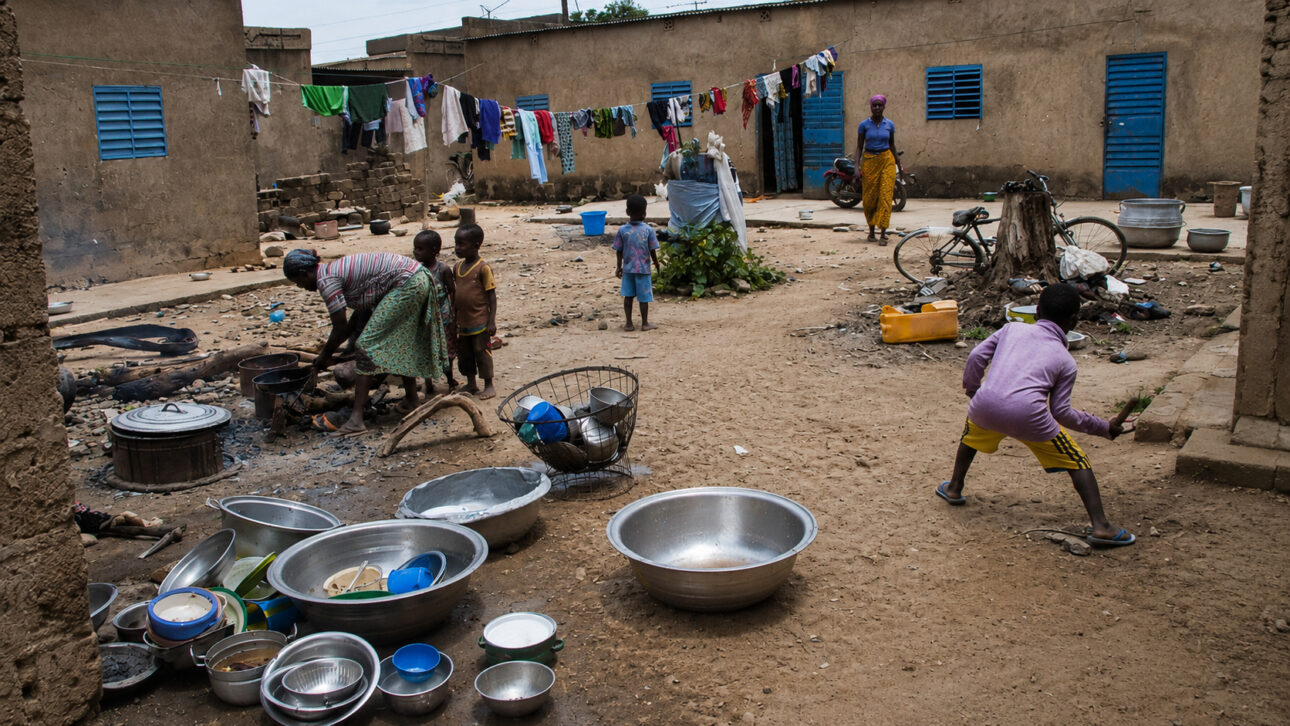
Local tradition has come to coexist with quick marriages
According to Mahamadou Zongo, a sociologist and professor at the University of Ouagadougou, migration has a strong social impact in Beguédo. In the region, those who do not migrate may be seen as lacking prospects, as going abroad is almost considered a passage to adulthood. In the past, rural marriages were planned over months, and the suitor had to work on the future in-laws’ farm to prove responsibility. With migration, this process has changed. Many men choose wives during short visits, marry quickly, and return to Europe.
Promises of return have become harder to fulfill
Migrants often promise frequent visits or bringing their wives abroad when they achieve financial stability. However, this reality was more common among men who migrated before the European economic crisis. Younger ones face precarious jobs, low income, and long periods without being able to return. The difference is evident in the streets of Beguédo, where simple houses of the “new Italians” stand next to larger constructions made by the “old Italians,” who managed to send more money and return more frequently.
“Single wives” take the center of family life
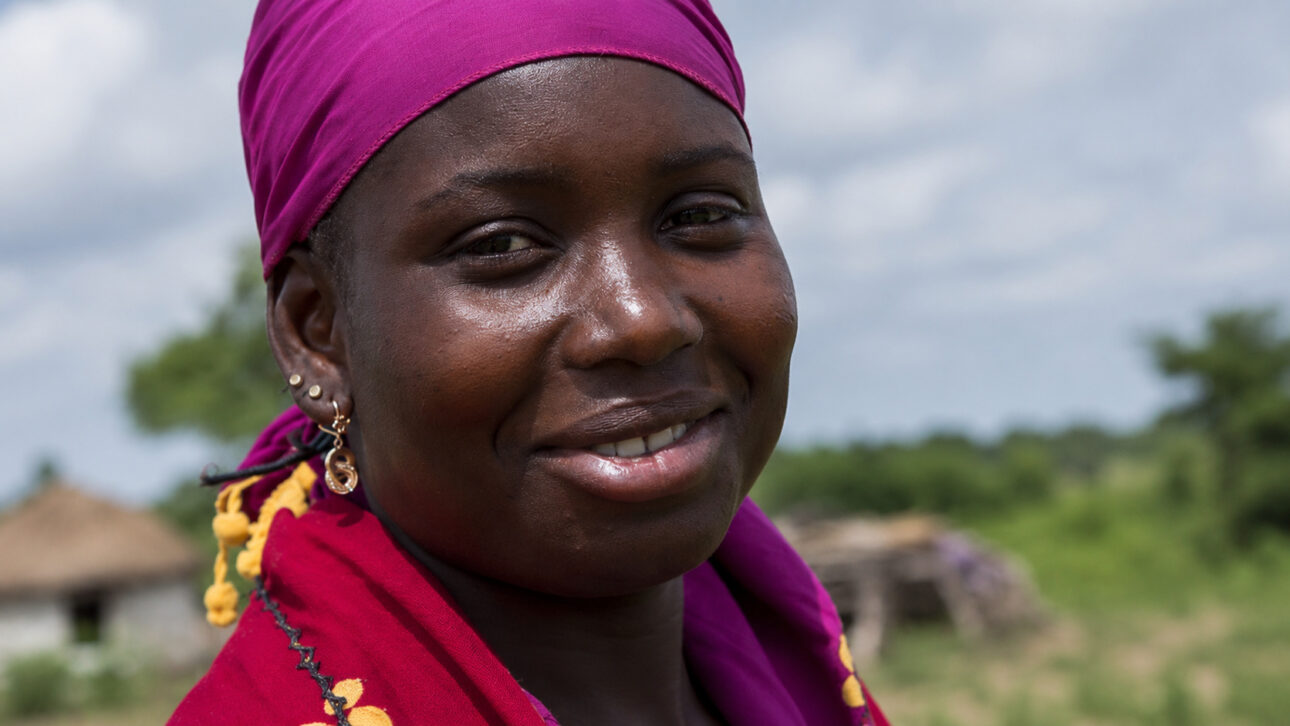
More than half of the women with children in Beguédo live in a similar situation, according to the original report. Some also face abandonment when husbands remarry or return with new partners. Faced with this risk, some wives keep small savings without informing their husbands, as a form of protection. Others end up financially dependent on their own children. Due to this strong connection with migrants living in Italy, Beguédo has come to be called “little Italy.”
Prolonged absence exposes regrets and uncertainties
Alimata no longer expects to live in Italy. Today, her main desire is for Saada to return home. The two still talk via Skype when she goes to a small cybercafé in Beguédo, but the distance continues to define the couple’s life. The story also reveals another important social effect: many women regret having left school early to get married. With a profession, they believe they could face their husbands’ absence with more autonomy and less dependency.
Do you believe that economic migration still represents hope for these families, or have the social costs become greater than the benefits?





Be the first to react!