






 Portuguese
  Spanish


Shell Begins Construction of FPSO in Japan for the Gato do Mato Field in the Pre-Salt Layer of the Santos Basin. Project Plans to Start Operations in 2029.
The Shell and its partners have taken a decisive step towards production in the Gato do Mato field in the pre-salt layer of the Santos Basin. Last week, at the Sumitomo Heavy Industries shipyard in Yokosuka, Japan, the steel cutting ceremony for the Floating Production Storage and Offloading unit (FPSO) to be used in the area was held. The construction of the unit will be handled by Modec, with works split between China and Japan.
The expectation is that the FPSO will begin operations by 2029, about 200 kilometers south of Rio de Janeiro, in water depths of 2,000 meters. The platform will have the capacity to produce up to 120,000 barrels of oil per day.
FPSO Will Be a Key Component in the Development of Gato do Mato
The construction of the FPSO — an acronym for Floating Production Storage and Offloading — marks a new stage in the development of the Gato do Mato project, one of Shell’s most promising assets in Brazil.
-
Qantas and Airbus Invest in Company Aiming to Convert Unsorted Household Trash into Jet Fuel

-
Brazil’s ANP Opens 86 New Oil Blocks in the Equatorial Margin, Expanding the Amazon River Mouth Frontier

-
OPEC+ Boosts Oil Supply by 188,000 Barrels per Day in July 2026, Leading to Price Drop from $112 to $89 per Barrel in Under Two Months

-
TotalEnergies Signs 20-Year Deal to Purchase 2 Million Tons of LNG from Alaska, Boosting Project Viability

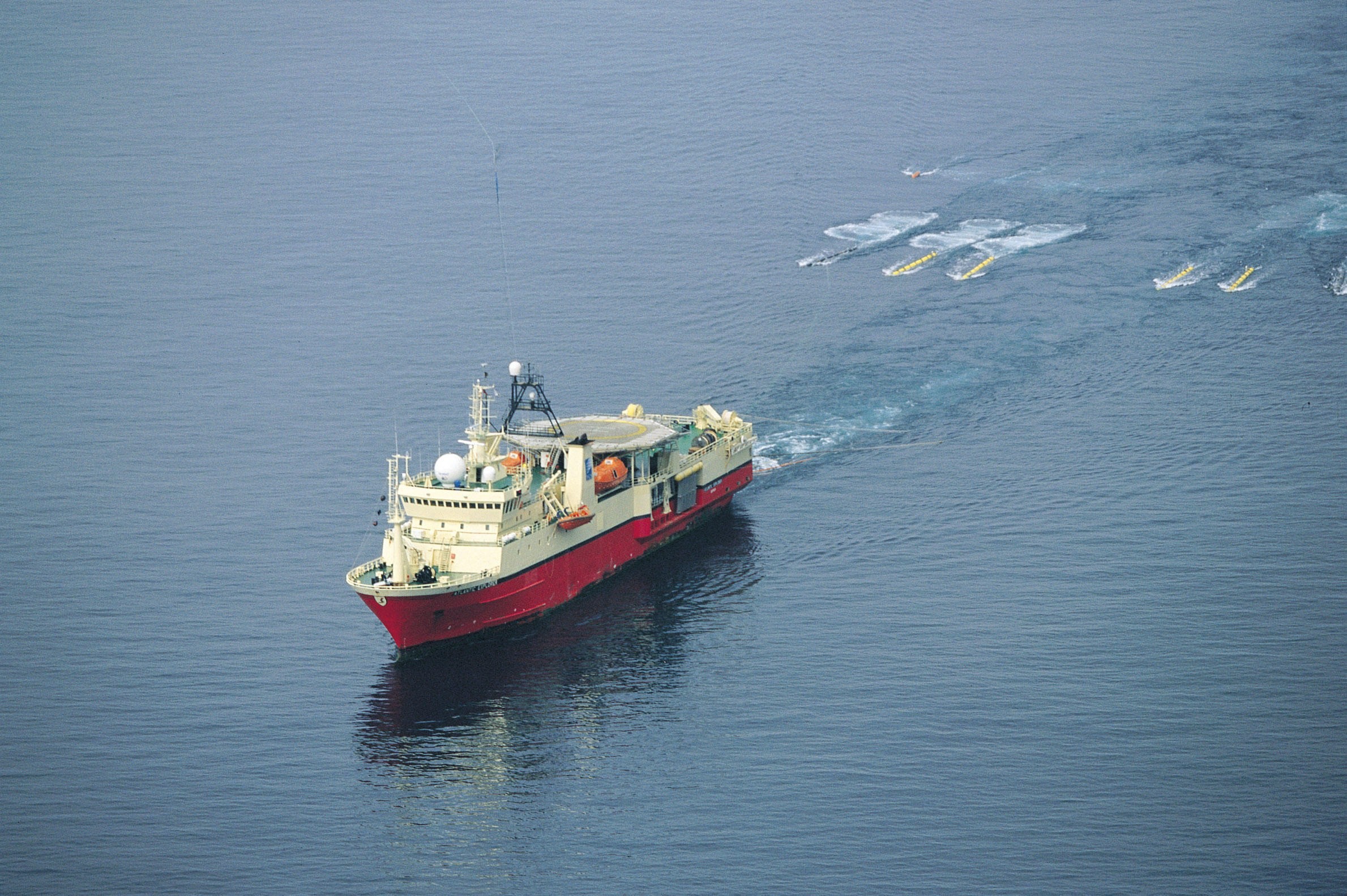


With the work already underway in Japan, the vessel will be vital for enabling the production of gas with condensate in the BM-S-54 blocks and South of Gato do Mato. These blocks are under different exploration regimes: concession and production sharing, established in 2005 and 2017, respectively.
Shell’s Stake in the Project Is Expected to Increase
The consortium responsible for Gato do Mato is led by Shell, which currently holds a 50% stake and acts as the operator. The group also includes Colombian Ecopetrol (30%), French TotalEnergies (20%), and Brazilian state-owned Pré-Sal Petróleo S.A. (PPSA), which represents the federal government in the production sharing.
According to a recent announcement, Shell is expected to increase its stake to 70% through an agreement with TotalEnergies involving the exchange of stakes between the Gato do Mato and Lapa fields.
Japan Reinforces Strategic Role in Offshore Supply
The choice of Japan as the starting point for the FPSO construction underscores the importance of the Asian country in supplying technology and infrastructure for large-scale offshore projects. The partnership with Modec, which will also operate in China, ensures expertise and agility in the delivery schedule of the platform.
This type of vessel is essential in ultra-deep areas like the pre-salt, as it enables the production and storage of oil offshore, far from fixed installations.
Gato do Mato Is Solidifying as a Strategic Bet in the Pre-Salt
With operations expected to start in 2029, the Gato do Mato field is solidifying as one of Shell’s major bets in Brazil. The pre-salt area of the Santos Basin has proven to be one of the most productive regions in the world, and the new FPSO will be crucial for increasing the company’s presence in the area.
The final investment decision (FID) was made in March, and the move to start the construction of the platform demonstrates the company’s commitment to responsible exploration and technological advancement in the energy sector.




Por que foi construída no Japão e não no Brasil? A Petrobras deveria construir no BRASIL.