





 Portuguese
  English
  Spanish
  6 min of reading
  0 comments


Cargo ships leaving China arrive at the Port of Pecém, in the municipality of São Gonçalo do Amarante, Ceará, with a record volume of industrial cargo, boosting the terminal’s container movement by 37.5% in the first half of 2026. This is part of the largest investment cycle in the port complex’s history, which is receiving R$ 1.5 billion in contracted investments until 2028 and will be the first Brazilian port to provide shore power to docked ships starting in August. According to official data published by the Ceará Economic Development Secretariat, the Pecém complex celebrated 24 years of operation in March 2026 and positions itself as Brazil’s gateway to the Asian market, with a direct route to China established in 2025.
The new route with Asia quickly transformed the terminal’s trade balance. In just six months, the number of processed containers jumped by more than a third, with a forecast to close 2026 with over 680,000 containers moved, placing Pecém among the top five largest port complexes in Brazil in terms of containerized industrial cargo volume.
The current priority investment is the expansion of the Multi-Utility Terminal, the TMUT, with an estimated budget of R$ 578.6 million for the construction of a new 350-meter-long berth, a 42,000-square-meter back area, breakwater expansion, and infrastructure to accommodate large vessels with a draft exceeding 17 meters.
-
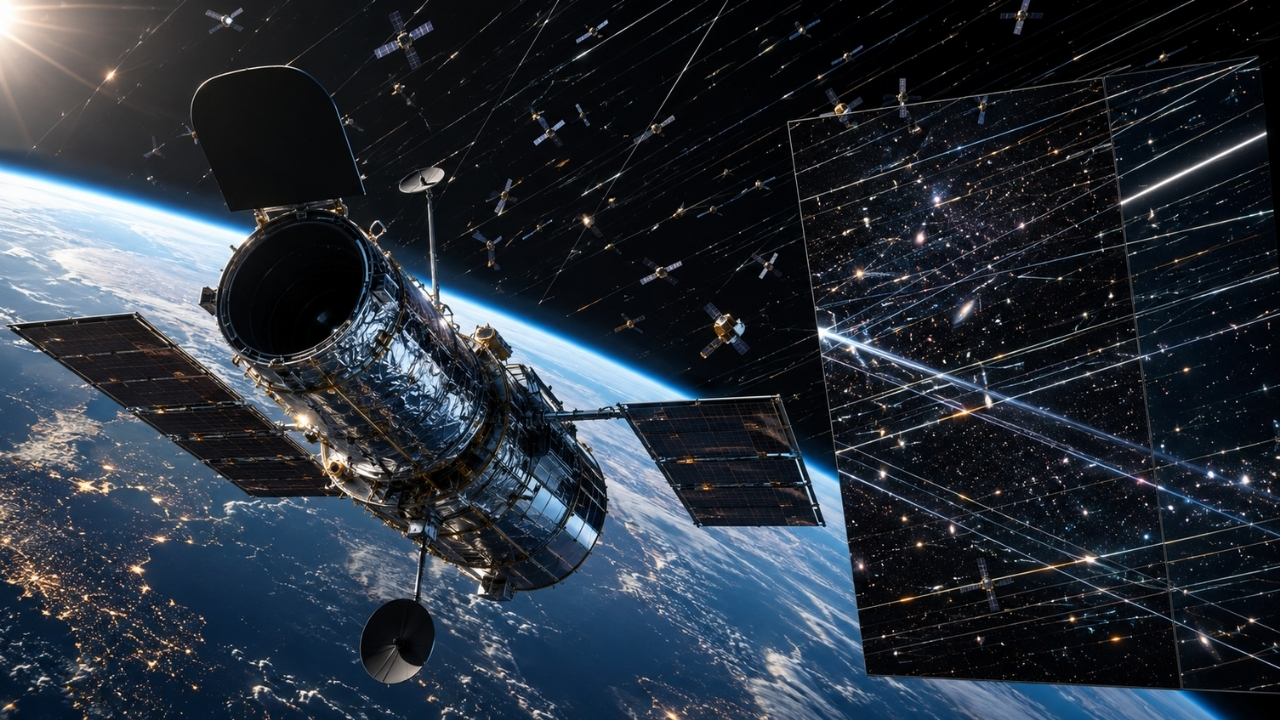
NASA’s space telescope already has 73% of its images contaminated by satellite trails, and scientists warn that the problem could reach 100% if millions of objects are launched into low Earth orbit.

-
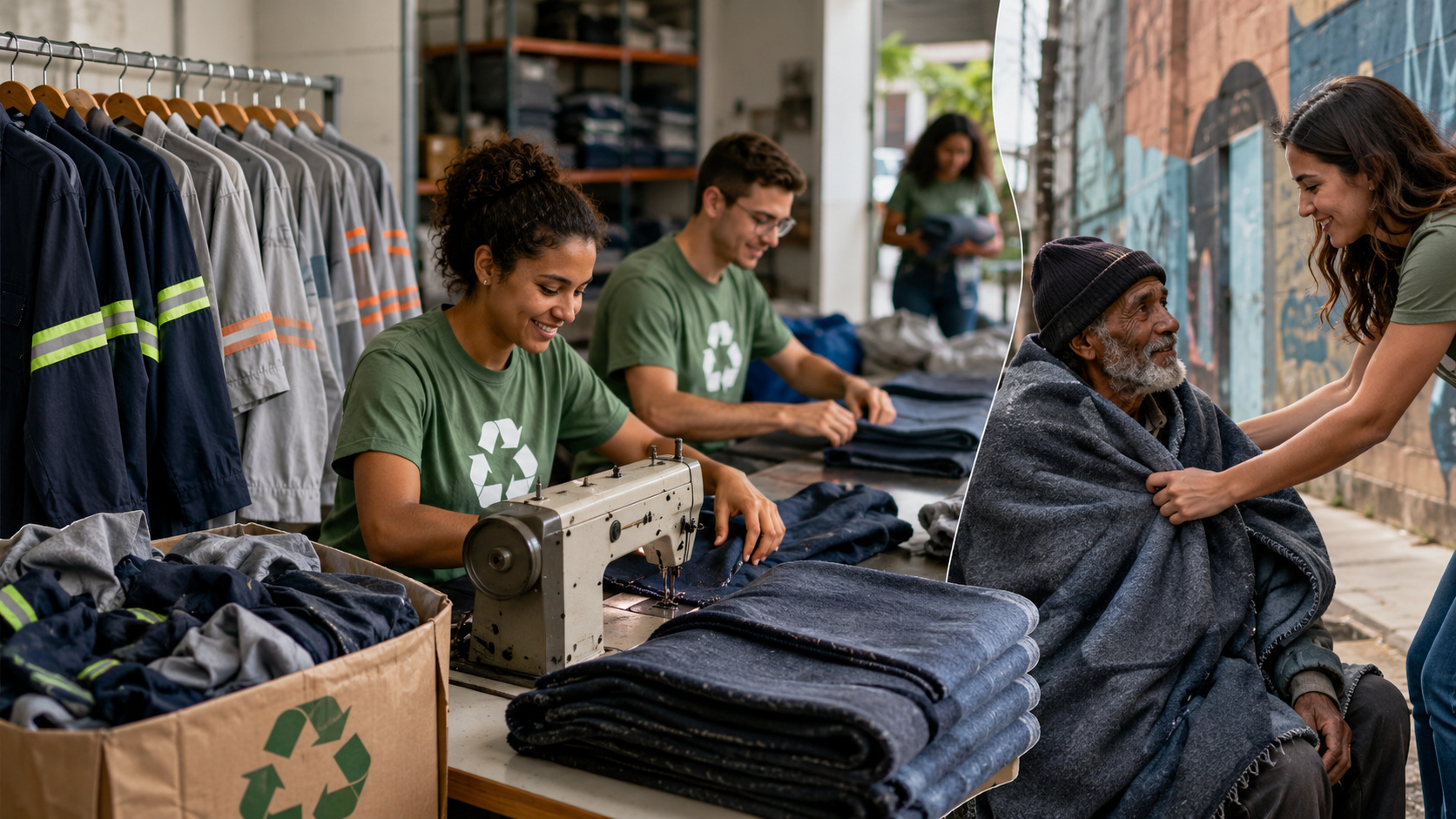
From discarded uniform to blanket for those sleeping on the streets: Brazilian initiative transforms tons of corporate fabric into shelter, reduces textile waste, and creates a chain of social impact that starts in companies and ends in the hands of those who need it most.

-
Engineers from Norway develop a submersible barge to lift structures of 2,500 tons without relying on the world’s largest crane ships, aiming to reduce the costs of offshore wind turbine installation.
-
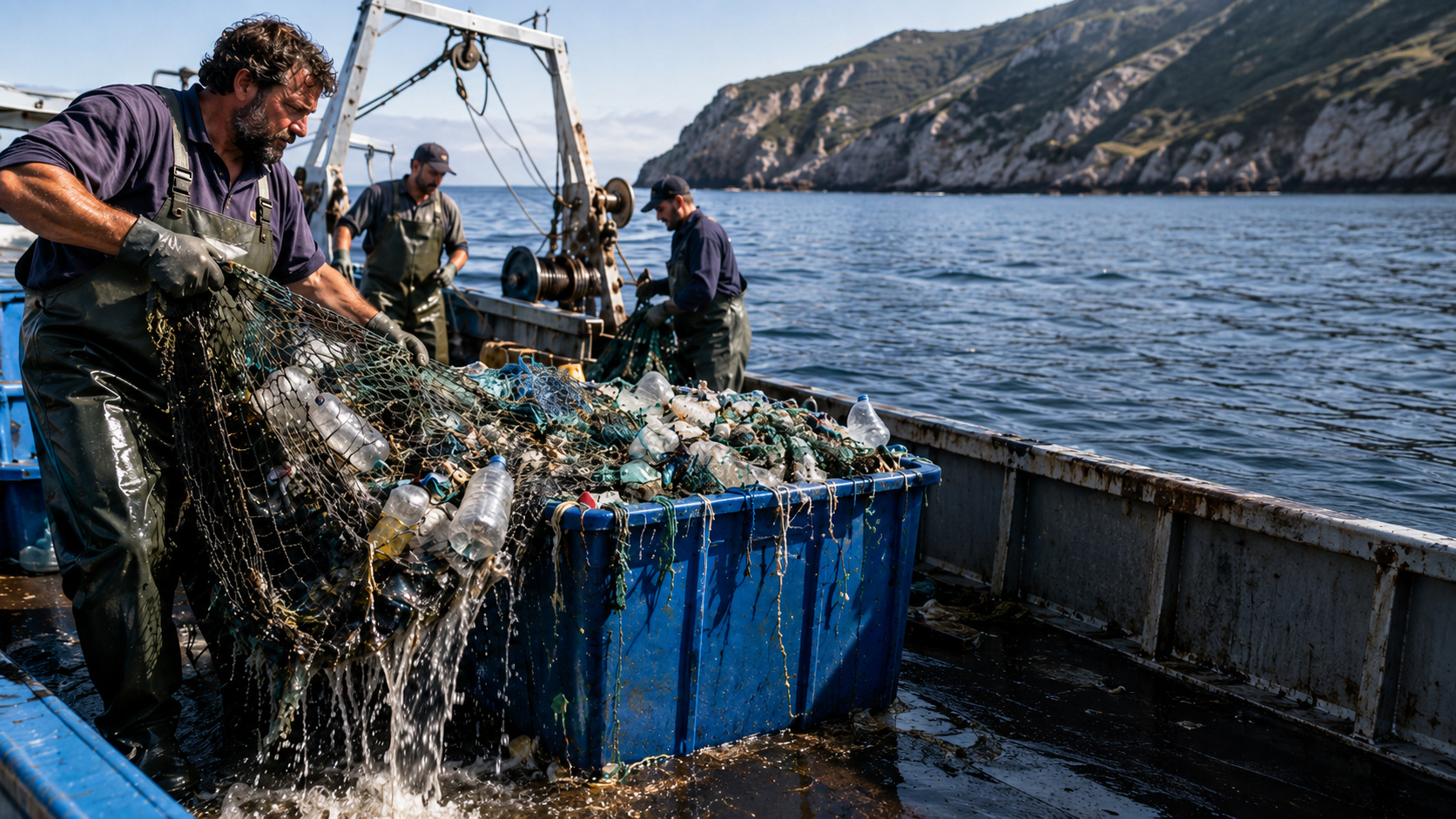
The ocean has become raw material: fishermen remove plastic from the sea and a brand transforms bottles, nets, and marine litter into premium clothing.


Why Pecém will be the first Brazilian port with shore power
The shore power system, technically known as Cold Ironing, allows docked ships to completely shut down their diesel auxiliary engines and connect directly to the port’s electrical grid, avoiding fuel combustion and continuous noise at the berth. The installation of the system at Pecém’s TMUT has a budget of R$ 13.2 million and a delivery schedule set for August 31, 2026, according to the official schedule from the Ceará government.
This initiative places Pecém at the forefront of port decarbonization in Brazil, anticipating the International Maritime Organization’s requirement that will come into effect in major European ports by 2027. By adopting shore power ahead of the regulatory deadline, the Ceará terminal becomes automatically more attractive to European and Asian shipping companies that need to report reduced emissions on international routes.
Researchers have found that the more ports adopt shore power on a large scale, the more local pollution in port cities measurably decreases, with documented reductions of up to 70% in sulfur oxide and nitrogen oxide emissions in the immediate vicinity of the berth. This direct benefit influences decisions on the location of new industries dependent on maritime logistics.

The direct route with China that changed Ceará’s trade game
Until 2024, ships leaving Chinese ports like Shanghai, Ningbo, and Shenzhen bound for Pecém had to stop in Santos or Itajaí, adding up to 12 extra days to the total travel time. The direct route inaugurated in 2025 reduced the journey between Shanghai and Pecém to approximately 38 continuous days, significantly enhancing the logistical competitiveness of Brazil’s Northeast.
The growing flow also allowed for the structuring of a loaded return model, preventing ships from leaving empty on the way back. Currently, vessels unloading Asian industrial products at Pecém return with soybeans, corn, ferroalloys, and processed leather to Chinese ports, generating additional revenue for exporters from Ceará, Piauí, and Maranhão.
According to an analysis by the Ceará Economic Development Secretariat, the opening of the route with China created a direct opportunity for up to 600,000 additional tons of annual exports on the return, with a direct impact on the state’s trade balance and the creation of direct jobs at the port complex’s container terminals.

Green Hydrogen Hub putting Ceará on the global map
Pecém simultaneously hosts Brazil’s largest green hydrogen hub under development, with private investments exceeding US$ 15 billion and participation from companies like Linde, Fortescue Future Industries, and Casa dos Ventos. Commercial production is expected to begin between 2027 and 2028, with an initial scale of 800,000 tons of green hydrogen annually for export to European and Asian ports.
The hub’s utility corridor is in the final installation phase, with compressed hydrogen pipelines, green ammonia transport ducts, and high-voltage power lines integrated with onshore and offshore wind farms along the Ceará coast. The integration between port infrastructure and chemical production allows Pecém to deliver ready-to-ship products without costly intermediate operations.
According to the Reconecta News portal, the Pecém complex is expected to receive additional investments of R$ 2.5 billion in projects related to the green hub by 2030, with the expectation of creating over 6,000 direct jobs in the coming years, according to preliminary socioeconomic impact studies commissioned by the Ceará state government.

How Pecém competes with Suape, Santos, and Itaqui
Pecém competes in volume against the ports of Santos, in São Paulo, Suape, in Pernambuco, and Itaqui, in Maranhão, on long-haul routes connecting Brazil to the global market. Each of these terminals has specific geographical advantages, and Pecém bets on the combination of proximity to Europe and Africa and a large back area still available for future expansion.
The TMUT’s back area, currently expanding to an additional 42,000 square meters, will allow for the storage of up to 12,000 containers simultaneously, a number that puts Pecém in a comparable position with the main container terminals in the Southeast in terms of useful temporary storage volume. Integration with the Transnordestina railway, in its final construction phase, is expected to increase cargo flow to the country’s interior.
It is worth noting that other discoveries about Brazilian port megaprojects, logistics infrastructure, and energy transition frequently appear in our Curiosities and Science sections, connecting regional advances to the international maritime trade scenario.
What Pecém still needs to achieve global hub status
Despite rapid advances, port sector specialists point out remaining bottlenecks that need to be overcome in the coming years. The main one is the depth of the access channel, currently limited to 17 meters, sufficient for modern Suezmax ships but below the 22 meters operated in Asian ports to accommodate new-generation megaships.
The state of Ceará is discussing in preliminary studies a new dredging that would expand the external channel to 20 meters, a project estimated at R$ 800 million and a schedule still under development with the federal port authority. Without this intervention, Pecém loses direct access to the largest container ships operating on the maritime silk route.
On the other hand, the ongoing expansion of the TMUT, the green hydrogen hub, and the arrival of the Transnordestina create conditions for Pecém to establish itself as Brazil’s gateway to the North Atlantic over the next decade, even without the expanded draft. The current growth rate suggests that the Ceará complex is going through its most decisive phase since its inauguration in 2002.






Be the first to react!