






 Portuguese
  Spanish


Siemens Energy Secures Electrolyzer Order From European Energy. The End Users of e-Methanol Will Be the Shipping Company Maersk, Fuel Retailer Circle K, Among Others.
Siemens Energy has secured a contract from European Energy for the supply of an electrolyzer plant. The Danish multinational developer and operator of ecological energy projects is implementing the first commercial project for large-scale global e-Methanol production, with hydrogen supplied by a 50-megawatt (MW) electrolyzer plant from Siemens Energy.
Read Also
- Siemens Gamesa Tops General Electric and Celebrates Milestone: The Largest and Most Powerful Wind Turbine in the World of 14MW and a 222-Meter Rotor Starts Producing Energy
- Ruhrpumpen, One of the Leading Pump System Manufacturers in the World, Chooses WEG to Supply and Install Motors for the Agreste Branch Project, One of the Major Water Works in Brazil That Will Bring Water to About 70 Municipalities in the State of Pernambuco
- Partnership Between the Largest Niobium Producer on the Planet CBMM and Canadian Multinational Nano One Anticipates New Investments in Lithium-Ion Batteries
- SSAB, Swedish Steelmaker Leading in the Production of High-Strength Steels, Plans New Nordic Production System That Promises Reduction of More Than 8 Million Tons of Carbon Dioxide Emissions Per Year
The plant will be built in Kassø, a region located west of Aabenraa in southern Denmark, near the border with Germany. Utilizing a 300 MW solar park near Kassø, developed by European Energy, the project will use low-cost renewable electricity necessary to produce e-Fuel at a competitive price. The end users of e-Methanol will be the shipping company Maersk, fuel retailer Circle K, among others.
The project guarantees the supply of e-Methanol for Maersk’s first eco-fuel powered container ship, thereby marking the starting point for large-scale CO2-neutral transport. The start of commercial methanol production is expected in the second half of 2023.
-
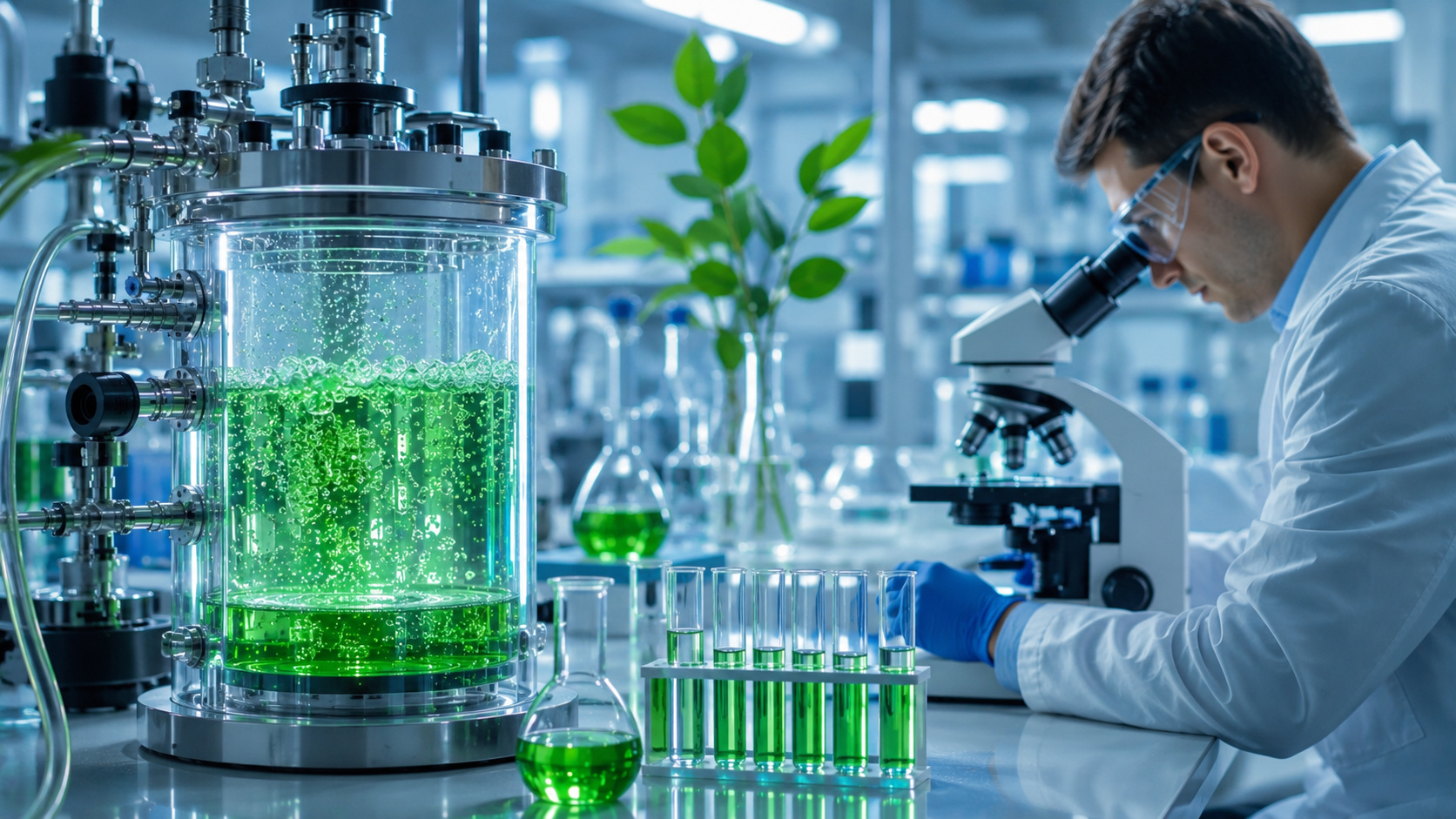
Brazilian scientists are simultaneously advancing two research projects on clean hydrogen and driving solutions that could transform the energy matrix, enhance industrial competitiveness, and accelerate large-scale emission reduction targets.

-
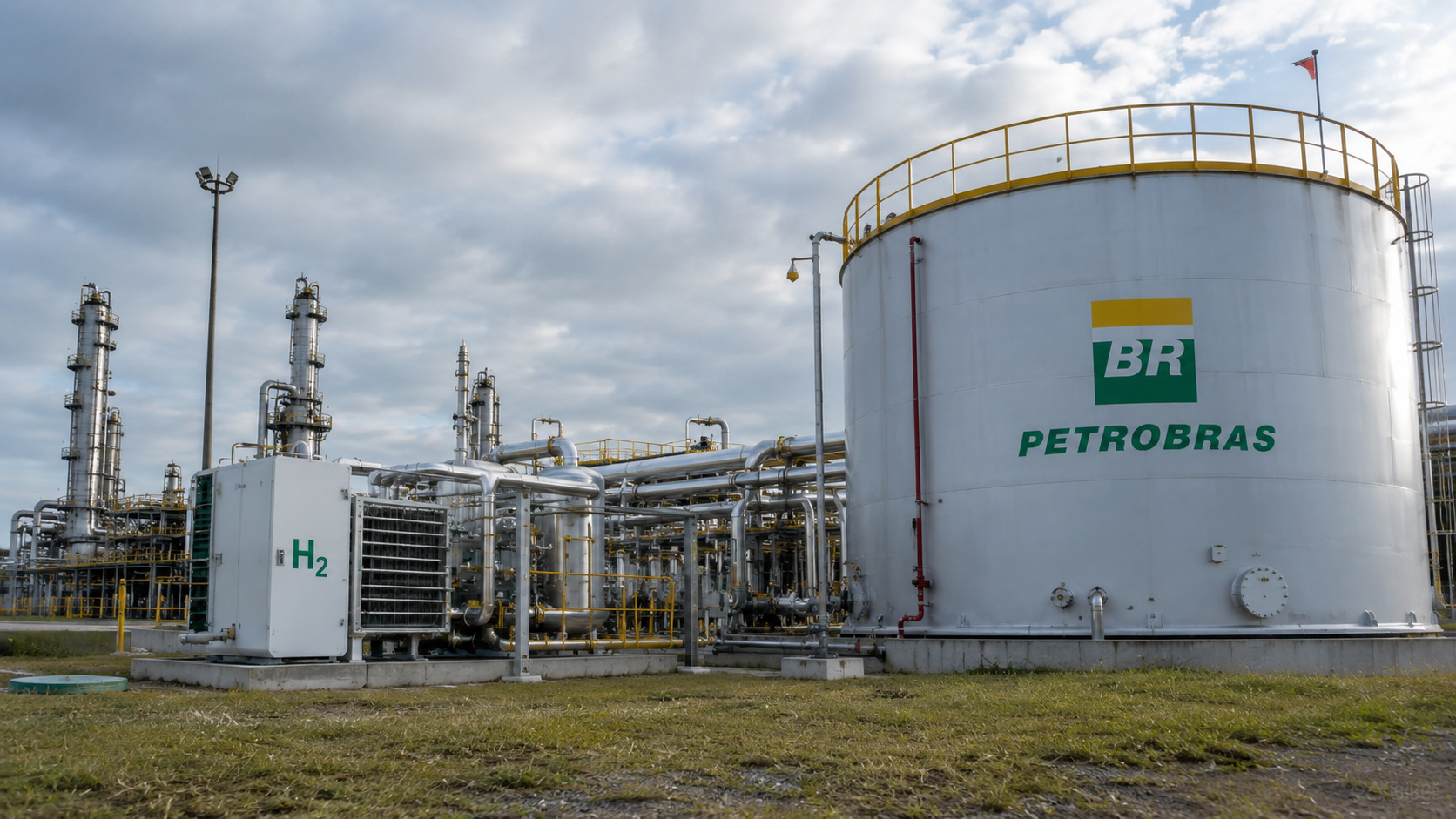
Advancement in renewable energy: A R$ 150 million project launched by Petrobras and Finep aims to create state-of-the-art electrolyzers for green hydrogen, strengthening national research and preparing Brazil to compete in a billion-dollar energy market.
-
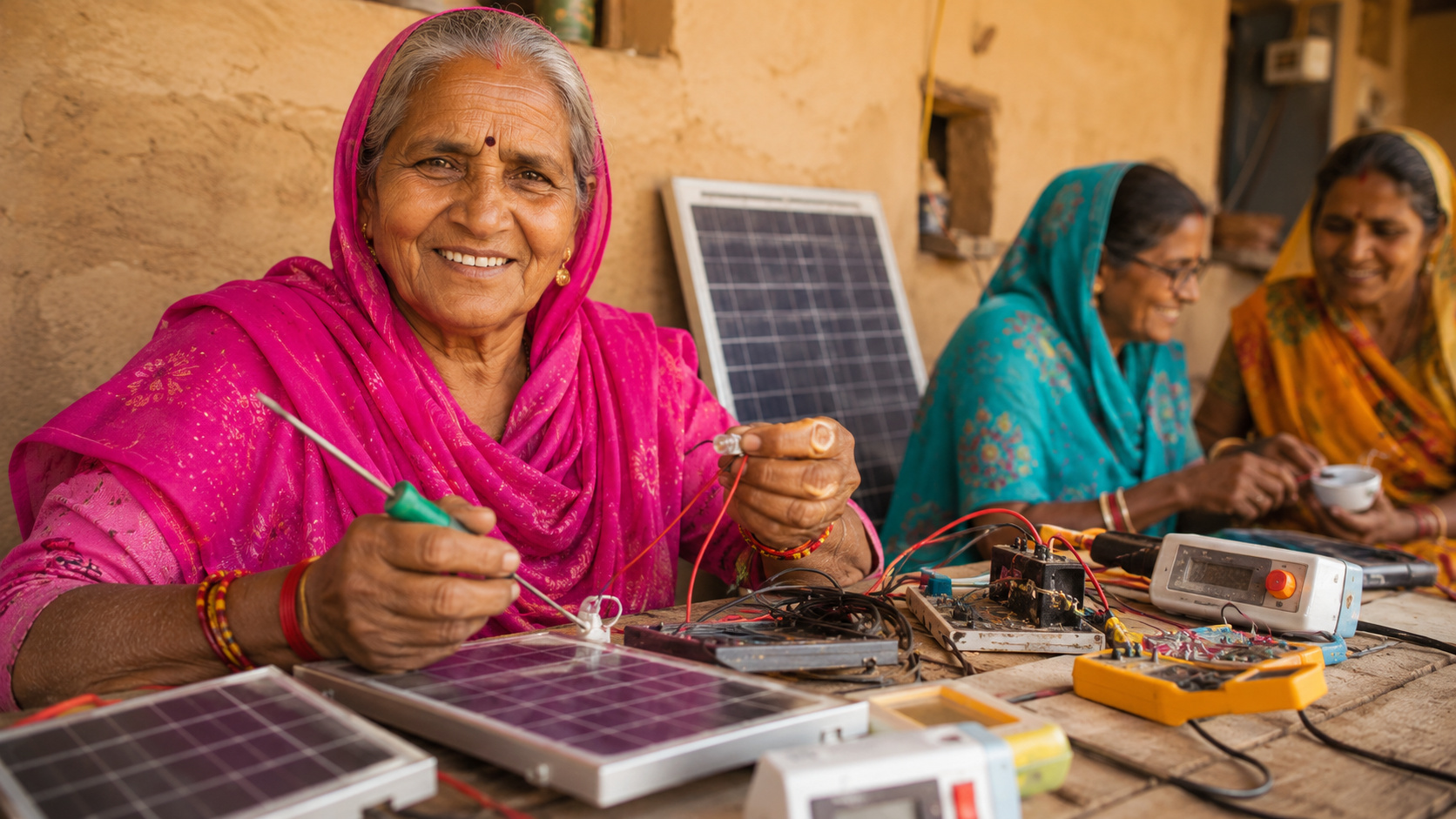
Illiterate or semi-literate grandmothers were trained to repair solar systems, open rural workshops, and light up homes that still depended on kerosene.
-
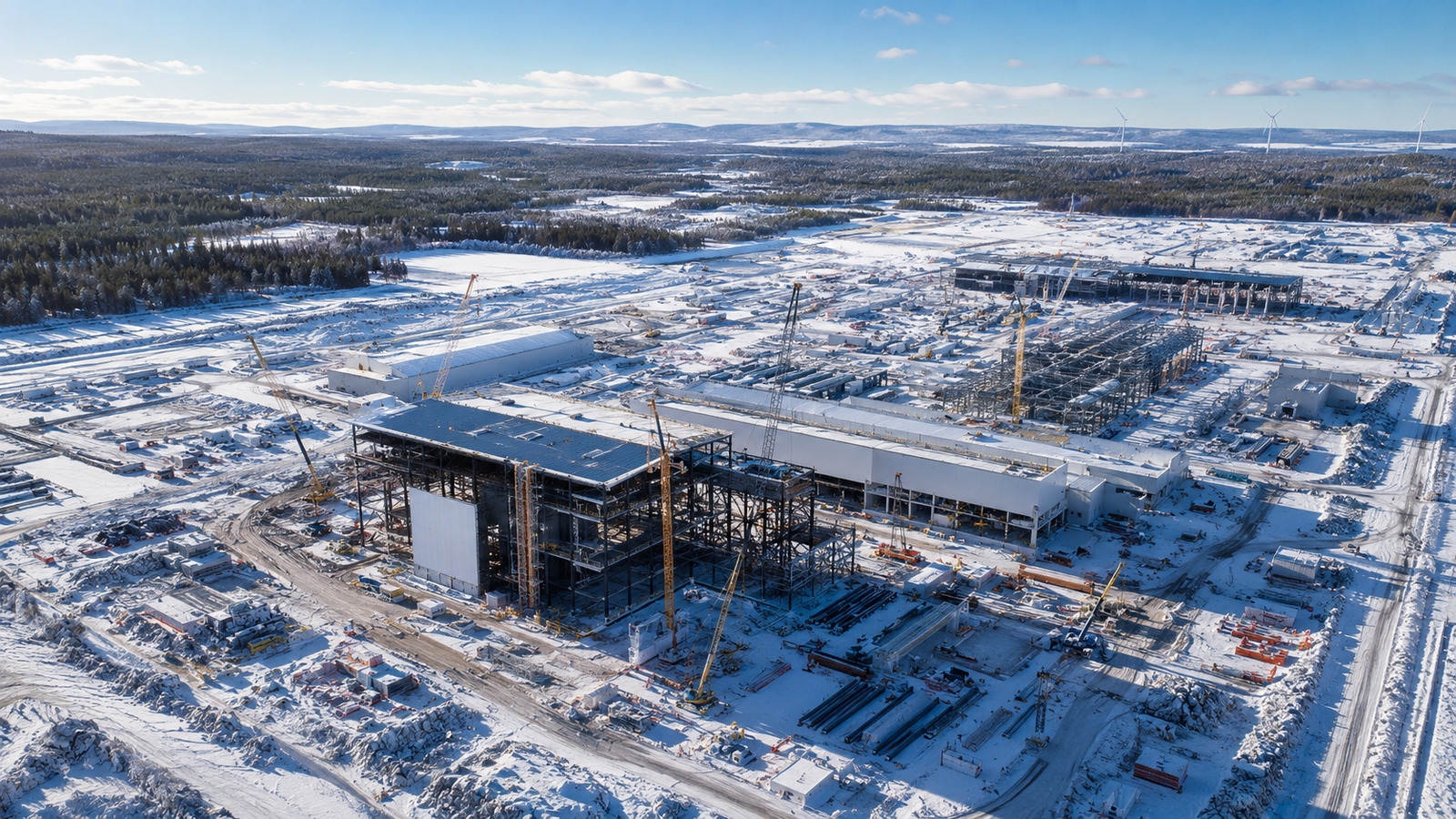
US$ 7 billion, green hydrogen, and steel with up to 95% less CO₂: the first green steel plant on the planet emerges in Sweden and targets Brazil as the next chapter

Siemens Energy, Together With European Energy, Takes the First Step Toward Decarbonization of the Maritime Sector
Siemens Energy will design, supply, and commission the electrolysis system, consisting of three complete sets from its latest and most powerful product line for PEM (Proton Exchange Membrane) electrolysis, including transformers, rectifiers, a distributed control system (DCS), as well as equipment to produce demineralized water. European Energy is the project owner and will be responsible for engineering, procurement, and construction, as well as operation of the facility.
Stefano Innocenzi, Senior Vice President of News Energy Business at Siemens Energy, stated: “Climate change requires immediate action. Together with our partner European Energy, we are taking the first step toward decarbonizing the maritime sector. With this project, we will bring large-scale e-Methanol to market. E-methanol or e-Fuels derived are intended for long-distance road and maritime transport as well as aviation. The project will be proof of the successful commercialization and scaling of our PEM technology.”
Knud Erik Andersen, CEO of European Energy, said: “We are pleased to place this important order in what we believe is the first commercial Power-to-X project of its kind in the world at scale. This is a crucial moment in the green transition as we advance with the decarbonization of hard-to-abate sectors, such as the maritime sector, and we trust that Siemens Energy’s excellent know-how regarding electrolyzers will translate into a solid foundation for expanding our business of supplying sustainable fuels to the world.”
The Shipping Sector Is Estimated to Emit About 1 Billion Tons of CO2 Per Year, About 13% of Global Transport Sector Greenhouse Gas Emissions
Global transport consumes about 3,050 terawatt-hours (TWh) of the world’s final energy consumption. For comparison, this is more than five times Germany’s total electricity consumption. And virtually all of it is based on fossil fuels, primarily fuel oil.
The shipping sector is estimated to emit about 1 billion tons of CO2 per year, about 13% of global transportation sector greenhouse gas emissions. The International Maritime Organization (IMO) has already secured the shipping sector’s commitment to halve greenhouse gas (GHG) emissions by 2050 (based on 2008 levels) to meet the goals of the Paris Agreement.
Measures include: new logistical approaches, greater efficiency, speed/power reductions, and – as the most effective path – the use of sustainable fuels, i.e., electricity-based fuels, largely carbon-neutral (e-Fuels), for propulsion.




Be the first to react!