






 Portuguese
  Spanish
  3 min of reading
  0 comments


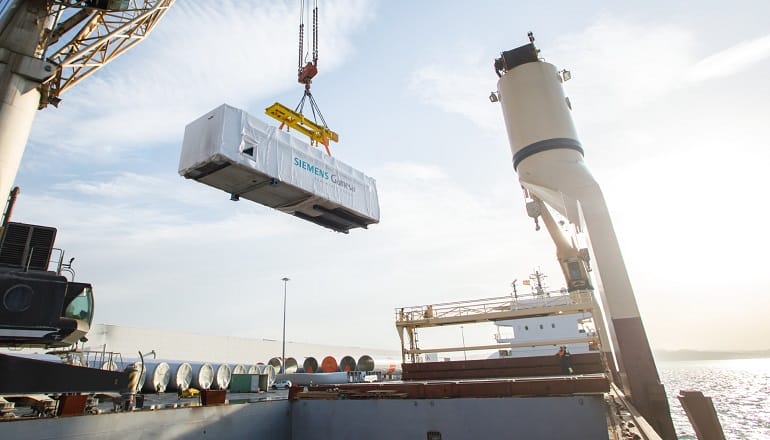
Pair Will Work Together to Standardize Equipment for Tower Transport, Marine Fixation, and Heavy Component Logistics.
BP and Equinor have signed a new partnership agreement to increase efficiency in offshore wind energy production. The agreement, facilitated by the Global Wind Energy Association, builds on a partnership around the installation and maintenance of wind turbines. Currently, whenever a wind turbine is installed, intensive assembly and adjustment work is necessary.
The process is costly in terms of man-hours and maintenance expenses. Once installation is complete, ongoing maintenance is required, leading to significant costs. Andy Wright, BP’s Director of Renewable Energy Operations, said the agreement addressed, among other things, the standardization of procedures currently used by each of these companies.
He highlighted: ‘By 2030, there will be many offshore wind energy expansion projects underway relative to the available installation capacity. This presents significant challenges for the transition to sustainable energy and for the entire supply chain. That is why we decided to establish this partnership with Equinor to optimize the installation and maintenance of our turbines more efficiently.’ Standardization will simply allow us to implement more turbines faster.
-
Brazilian scientists are simultaneously advancing two research projects on clean hydrogen and driving solutions that could transform the energy matrix, enhance industrial competitiveness, and accelerate large-scale emission reduction targets.

-
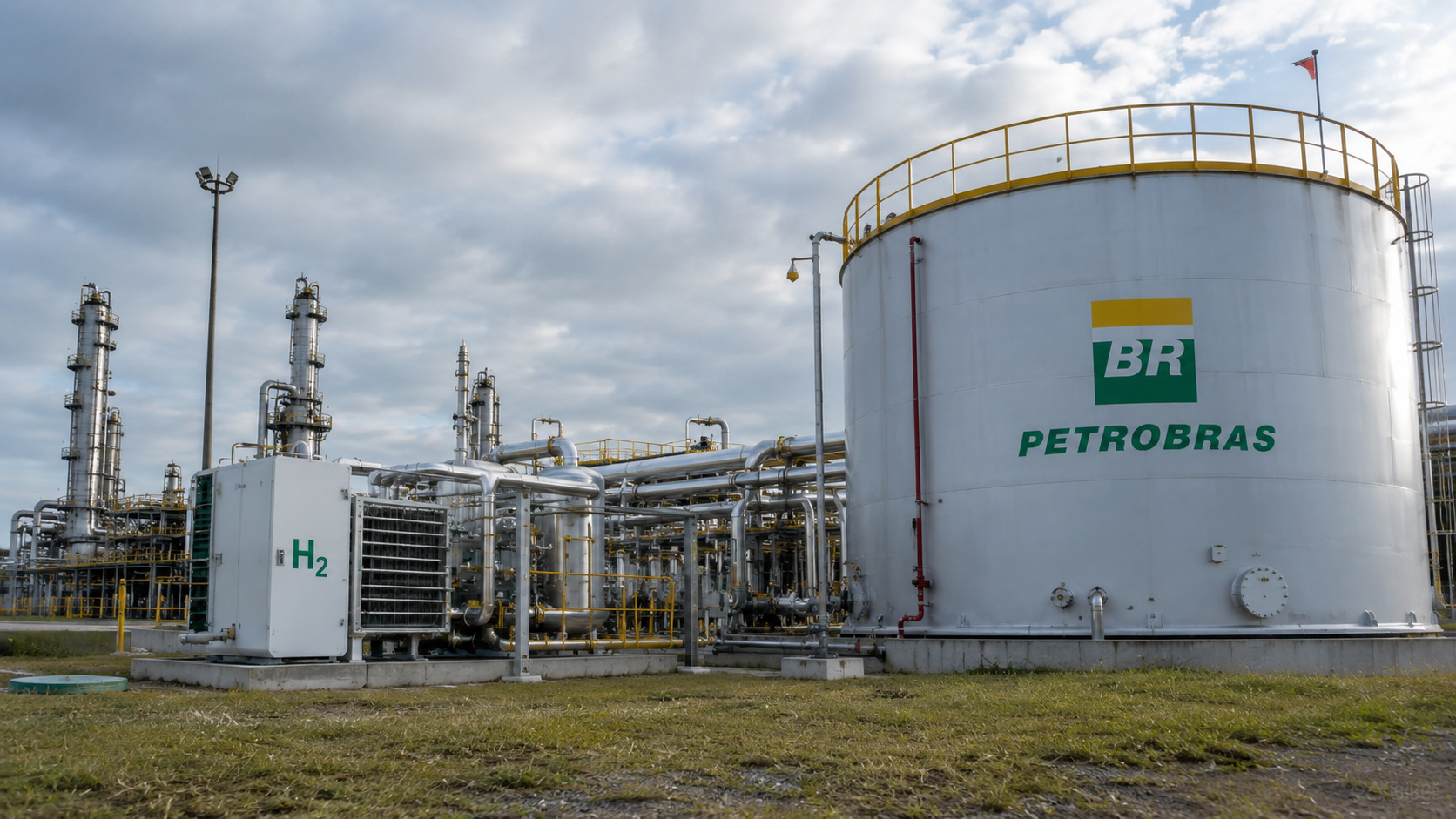
Advancement in renewable energy: A R$ 150 million project launched by Petrobras and Finep aims to create state-of-the-art electrolyzers for green hydrogen, strengthening national research and preparing Brazil to compete in a billion-dollar energy market.
-
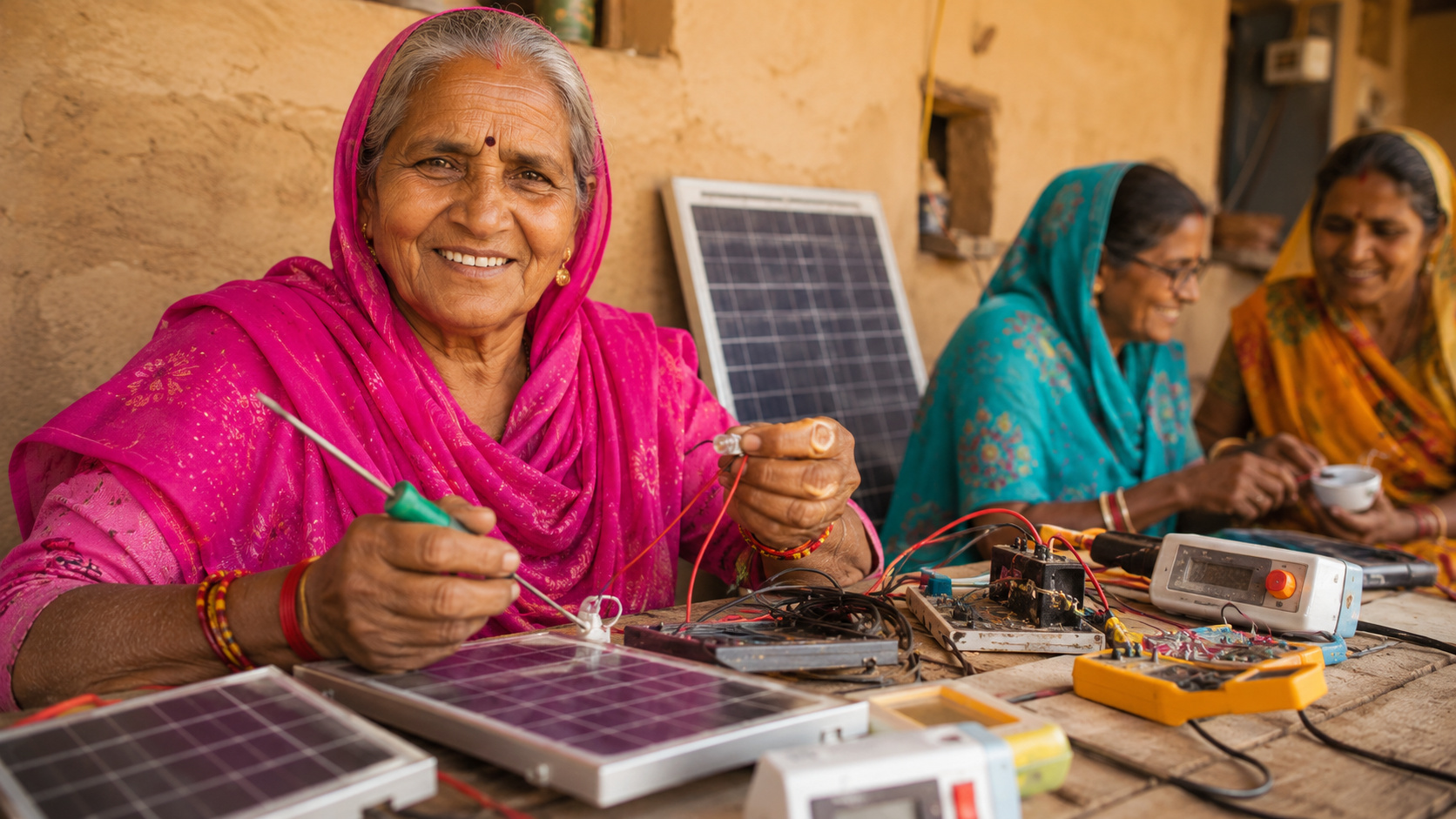
Illiterate or semi-literate grandmothers were trained to repair solar systems, open rural workshops, and light up homes that still depended on kerosene.
-
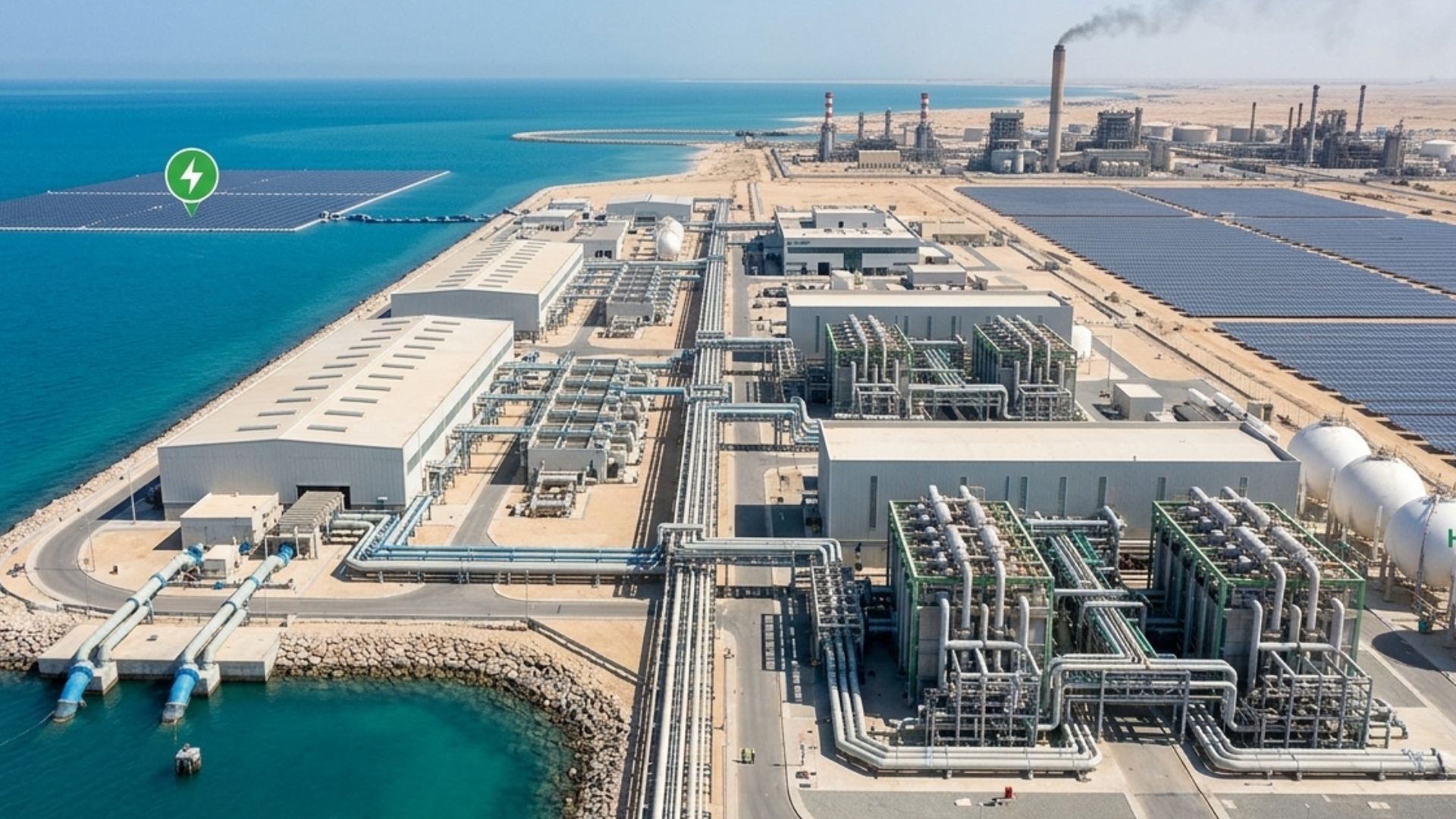
The world has bet on green hydrogen as the fuel of the future, but now faces the side effect: producing 1 kilogram requires about 9 liters of ultrapure water, and the largest projects on the planet are precisely in the driest regions of the Earth, where water is already scarce for people.


The new partnership agreement encompasses a series of projects involving the installation and maintenance of offshore wind turbines. The first project focuses on standardizing the installation and maintenance process, aiming to reduce costs and increase efficiency. Sarah Smith, Installation and Maintenance Manager for Wind Turbines at Equinor, added: ‘Standardization is an essential step for the sustainable development of the wind industry. We are committed to developing common standards that benefit everyone, from manufacturers to suppliers and subcontractors. Collaboration is key to promoting a more efficient and sustainable transition to renewable energy. We are open to dialogue with all stakeholders in the wind industry value chain, including competitors. We are willing to collaborate with anyone who intends to promote a collective and sustainable change with us.’
Partnership Agreement for Storing Large Components
Marine fixation is one of the main challenges faced in the offshore wind industry. Therefore, a partnership agreement has been established to improve logistics and the storage of large components, such as blades and nacelles.
Collaboration in Securing Towers and Blades
The collaboration among the companies involved in the partnership agreement aims to enhance the securing of towers and blades, resulting in greater efficiency and cost reduction in the installation process.
Partnership for Logistics Optimization
The established pact aims to optimize the logistics involved in the transport and storage of large components, ensuring meeting delivery deadlines and reducing potential delays.
Marine fixation of components is crucial for the success of offshore wind projects, and the partnership agreement demonstrates the commitment of the companies involved to overcome this challenge efficiently and collaboratively.
Source: © Re News.Biz








Be the first to react!