






 Portuguese
  Spanish
  3 min of reading
  0 comments


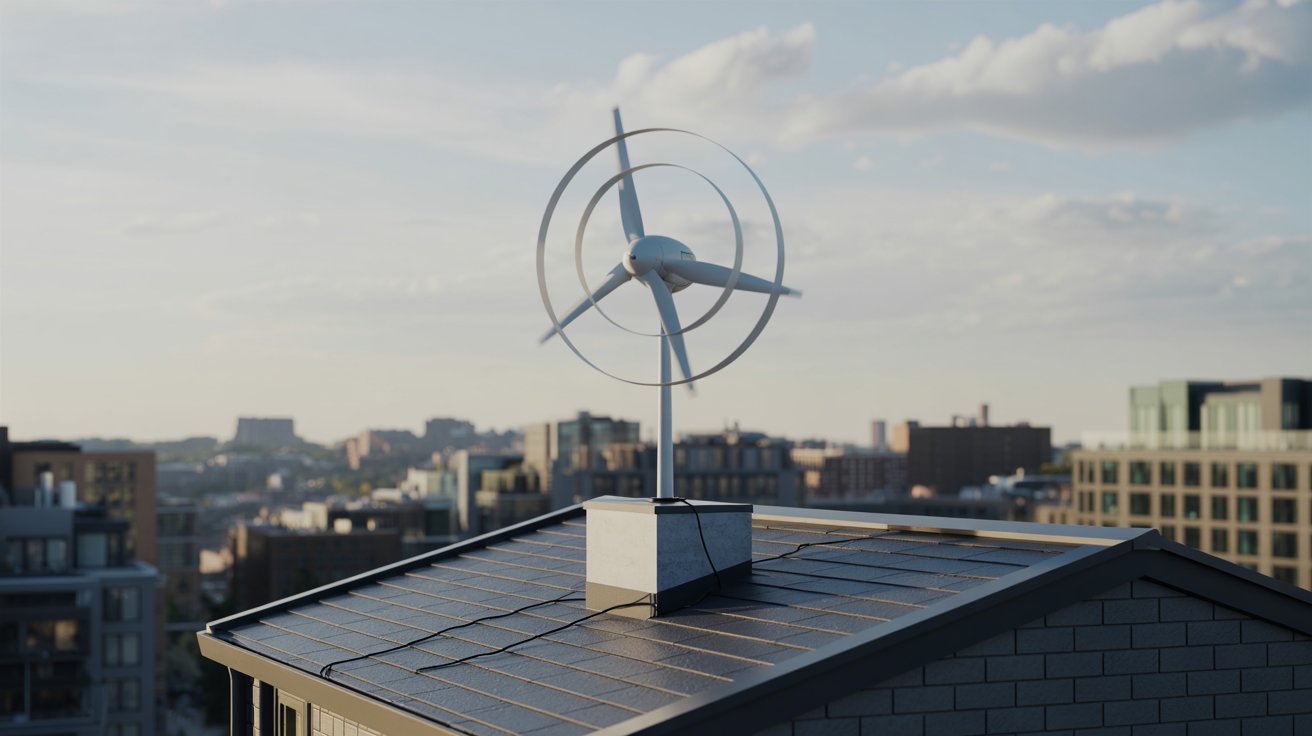
A New Model of Residential Wind Turbine, Named LIAM F1 UWT, Promises to Generate Up to 1,500 kWh Per Year of Electricity for Homes in the United States, with Nearly Silent Operation and Installation Adapted for Roofs and Urban Backyards.
The equipment was presented by a Dutch startup and aims to increase access to clean energy, offering an alternative to traditional solar panels, which lose efficiency in areas with low light or during winter.
With only 1.5 meters in diameter and less than 100 kilograms, the LIAM F1 UWT stands out for operating at noise levels below 45 decibels, a level well below conventional turbines. Its spiral design allows it to capture winds from any direction, optimizing production even in locations with irregular air currents, a feature that favors use in urban centers and areas with space limitations.
Another differentiator is the possibility of integration with solar energy systems, allowing households to combine both technologies to reduce costs and increase energy self-sufficiency. This combination makes it possible, in many cases, for families to become almost independent from the electrical grid, even during nights and prolonged periods of low light.
-
Brazil filled the Northeast with wind turbines but now faces the side effect of 705 giant blades reaching the end of their lifespan by 2032 just in Rio Grande do Norte, while the world projects 43 million tons of waste by 2050.

-
Brazil has filled the Northeast with wind turbines, but now it faces the side effect of 705 giant blades reaching the end of their useful life by 2032 just in Rio Grande do Norte, while the world projects 43 million tons of waste by 2050.
-
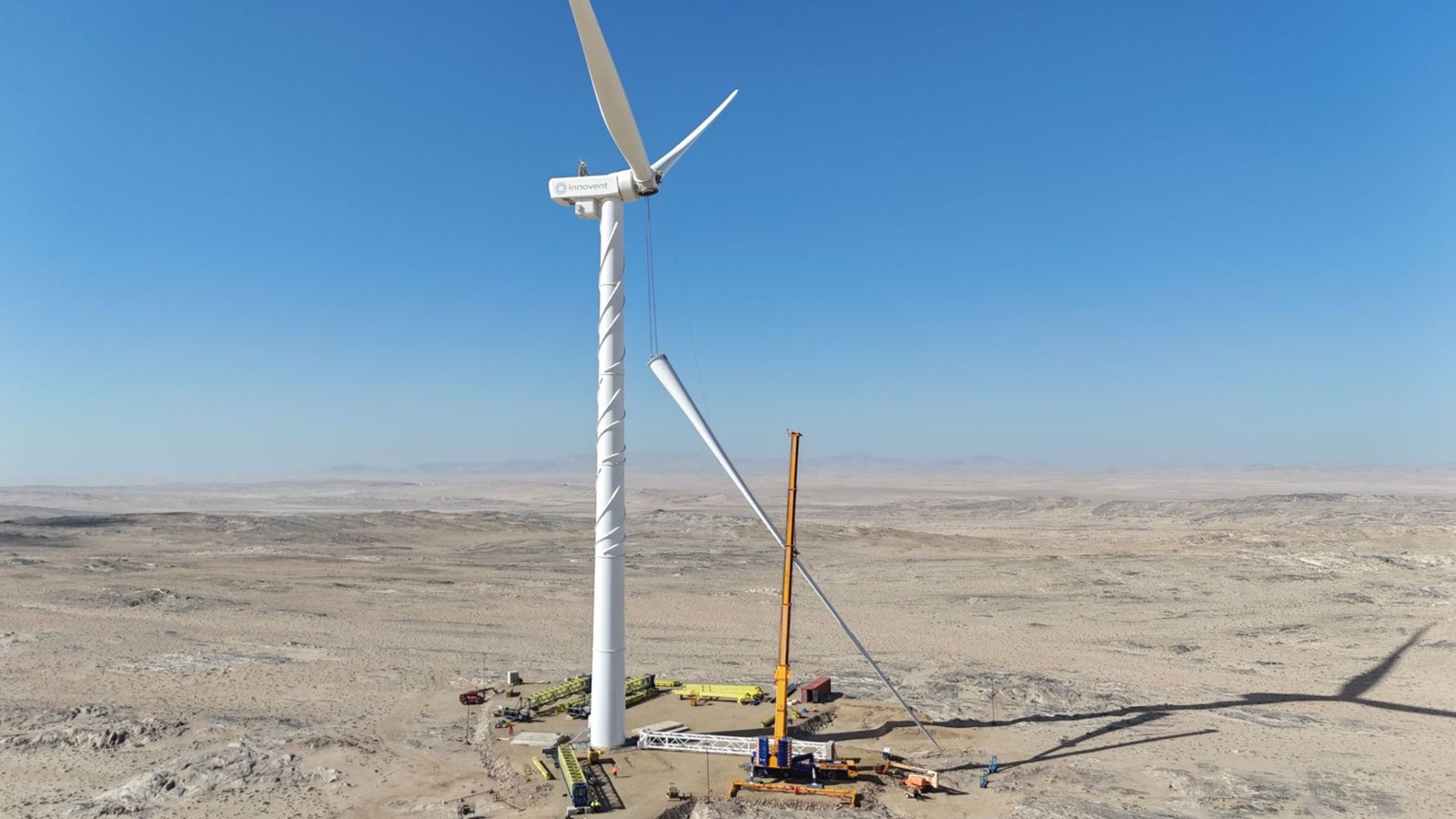
Wind farm in Namibia will have wind turbines assembled without giant cranes and is expected to avoid 200,000 tons of carbon dioxide per year when it becomes operational.

-
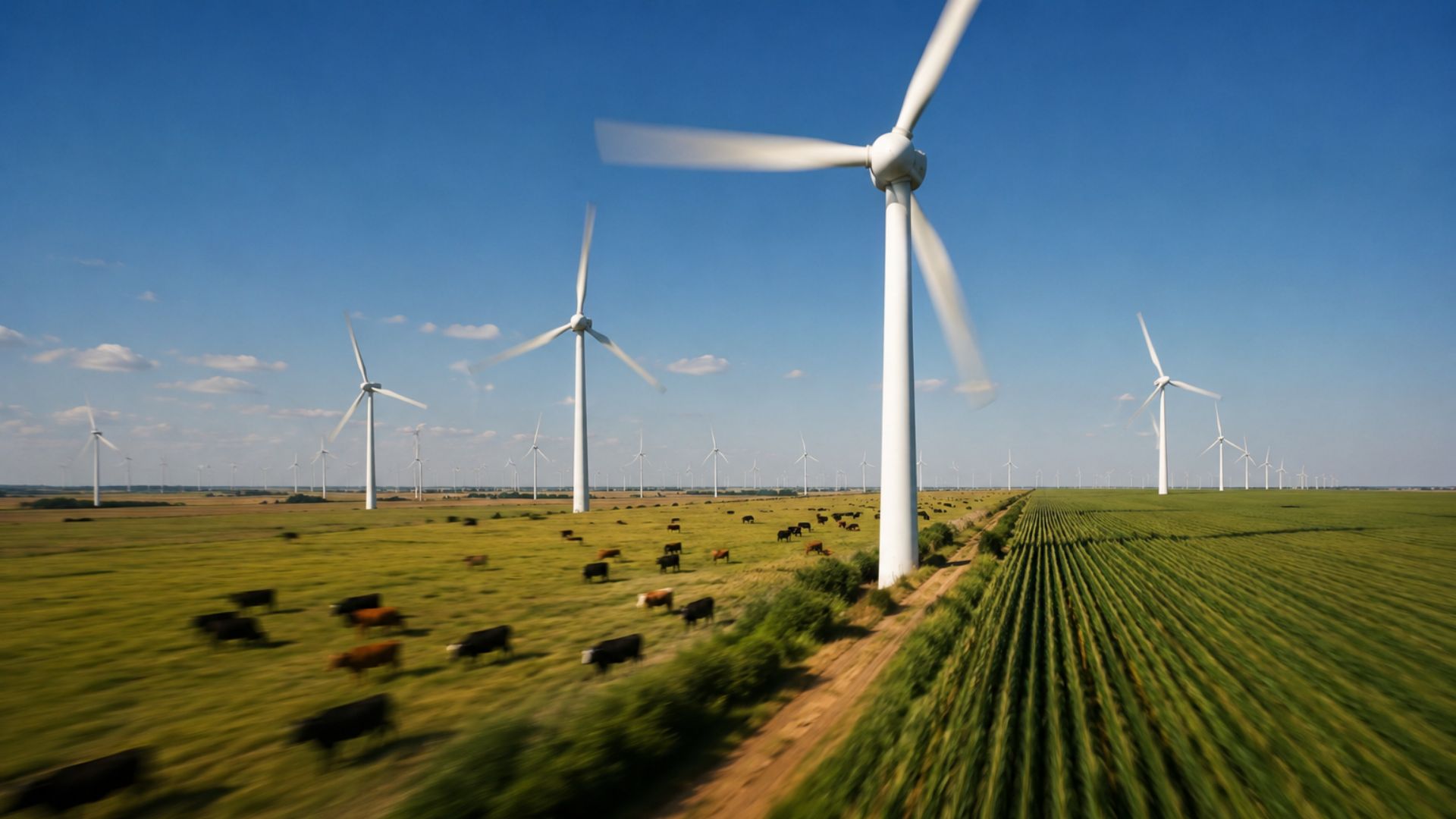
Taller than the Statue of Liberty, thousands of wind turbines are being planted in the middle of U.S. fields, creating two-story farms where corn and soybeans grow below while the wind turns into electricity above.


Alternative for Urban Areas and Low-Light Regions
Although solar panels continue to lead the residential market, the LIAM F1 UWT presents itself as an option for regions where sunlight is not constant. While photovoltaic panels depend on direct solar radiation, the turbine can take advantage of air currents throughout the day, including at night, complementing energy generation continuously.
The annual production capacity varies between 300 and 2,500 kWh, depending on the intensity of local wind, particularly benefiting homes facing high electricity costs looking for sustainable solutions. Additionally, its compact shape and discreet design avoid the negative visual impact associated with large wind turbines.
The project has already been tested in homes and businesses in Europe, and experts point out that technologies like this can reduce carbon emissions in urban areas, contributing to the achievement of global sustainability and decarbonization goals.

Origin and Future Perspectives
The information was disclosed by international portals such as Interesting Engineering and Ecoticias, which highlighted the development carried out by the Dutch company Archimedes. According to the publications, the project aims to expand also to maritime uses and hybrid systems, combining solar and wind energy in a single package.
With the growing demand for clean energy solutions, innovations like the LIAM F1 UWT are expected to gain traction in residential and commercial projects, representing an alternative to the current model, which is heavily reliant on solar panels. Experts believe that diversifying renewable sources will be essential to ensure a stable energy supply in the coming years.


Be the first to react!