






 3 min of reading
  0 comments


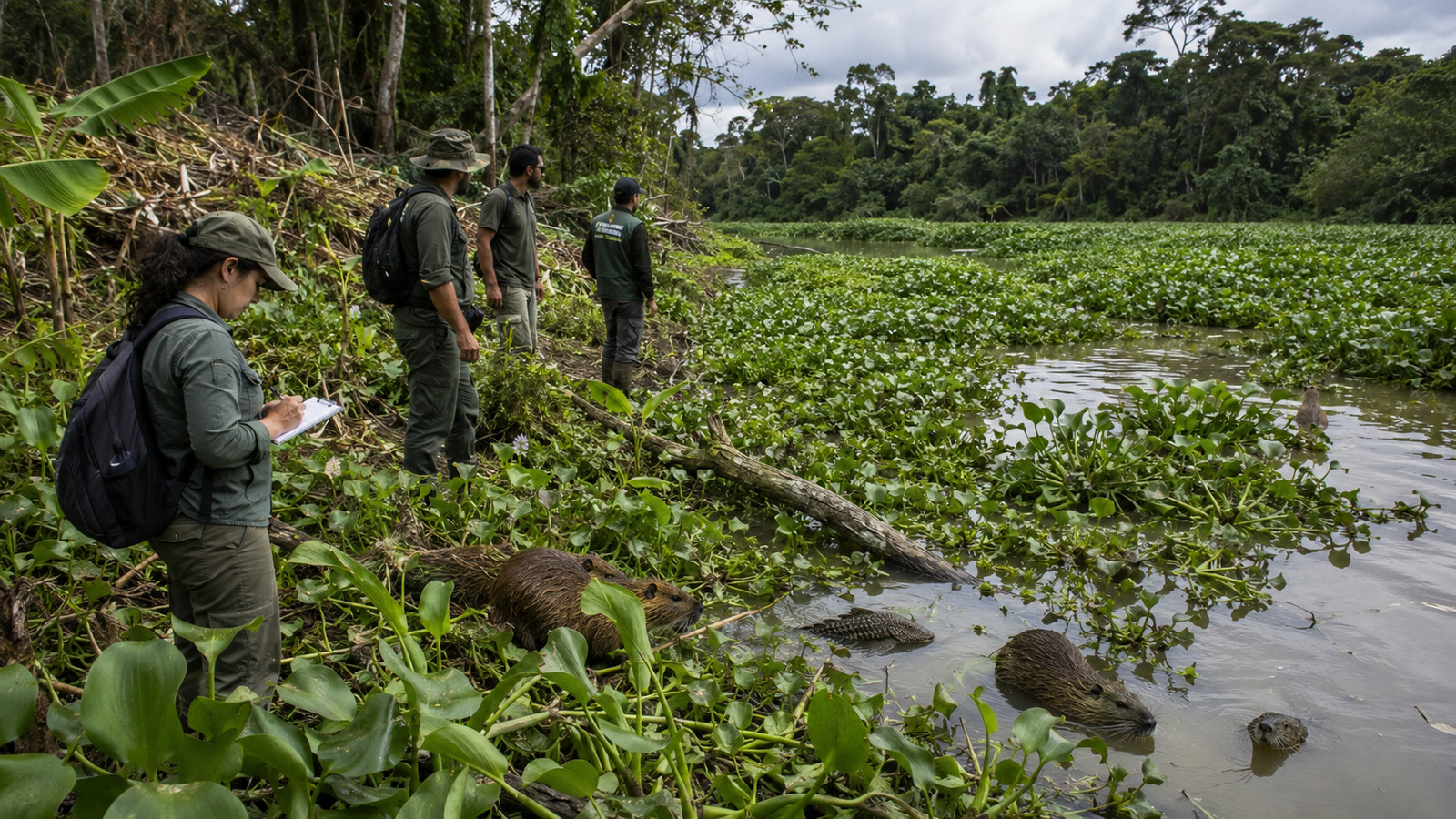
Survey by INCT SinBiAm identified 82 exotic animals and 59 plants in the Legal Amazon, species introduced by human activities that threaten native ecosystems and make control more expensive
Exotic invasive species already total 141 records in the Legal Amazon in 2026, according to INCT SinBiAm. The survey identified 82 animals and 59 plants introduced by human activities, impacting native species, agriculture, infrastructure, and local economies.


Exotic invasive species advance silently
Unlike deforestation and fires, biological invasions can occur without much visibility.
These species become part of the regional daily life and are often only noticed when they are already established.
-
Scientists have created a material six times lighter than air, 75 times lighter than styrofoam, and that becomes stronger the more it is compressed: aerographite seems impossible, but it can reinforce structures, batteries, and satellites.

-
USA prepares a 408 kg time capsule with synthetic DNA, national treasures, and a secret message to reveal to Americans in 2276 what it was like to live in the country in 2026.
-
At just 15 years old, prodigy Laurent Simons completed a PhD in quantum physics, masters equations used by NASA, solves advanced problems, and redefines the limits of human intelligence.

-
Brazilian mechanic invented a lamp made from a PET bottle during the 2001 blackout, the idea turned into an NGO present in 30 countries and has already illuminated 40,000 people in 200 communities without electricity in Brazil.





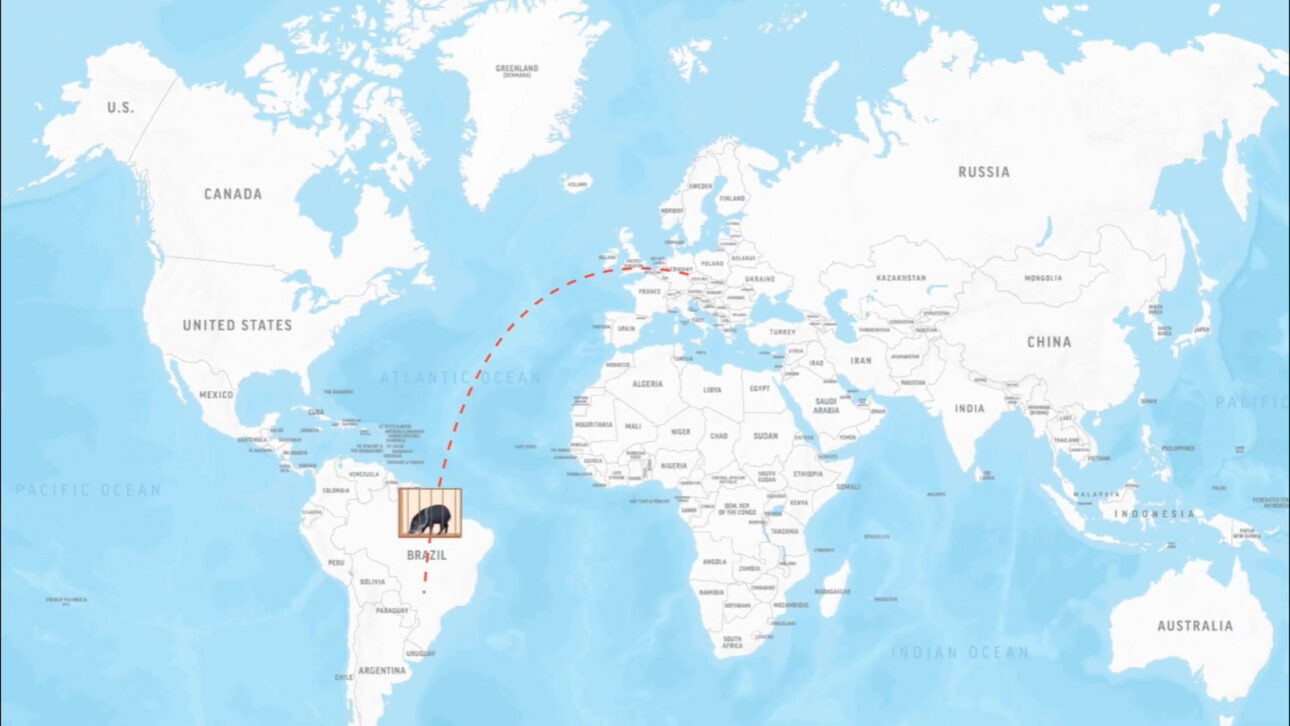
The introduction occurs through human actions, such as pet trade, transportation, and agriculture.
Once introduced into the environment, they compete with native species for resources and alter the natural balance.
Invasive species: Impact affects fauna, flora, and agricultural production
The survey indicates that invasive exotic species compromise the Amazon’s biodiversity, affecting fauna and flora. Competition with native organisms can lead some species to extinction.
The effects also reach agriculture and local economies. According to the consulted material, the economic impact is severe, as it affects agricultural production and requires high costs for control.
Lack of early detection amplifies the problem
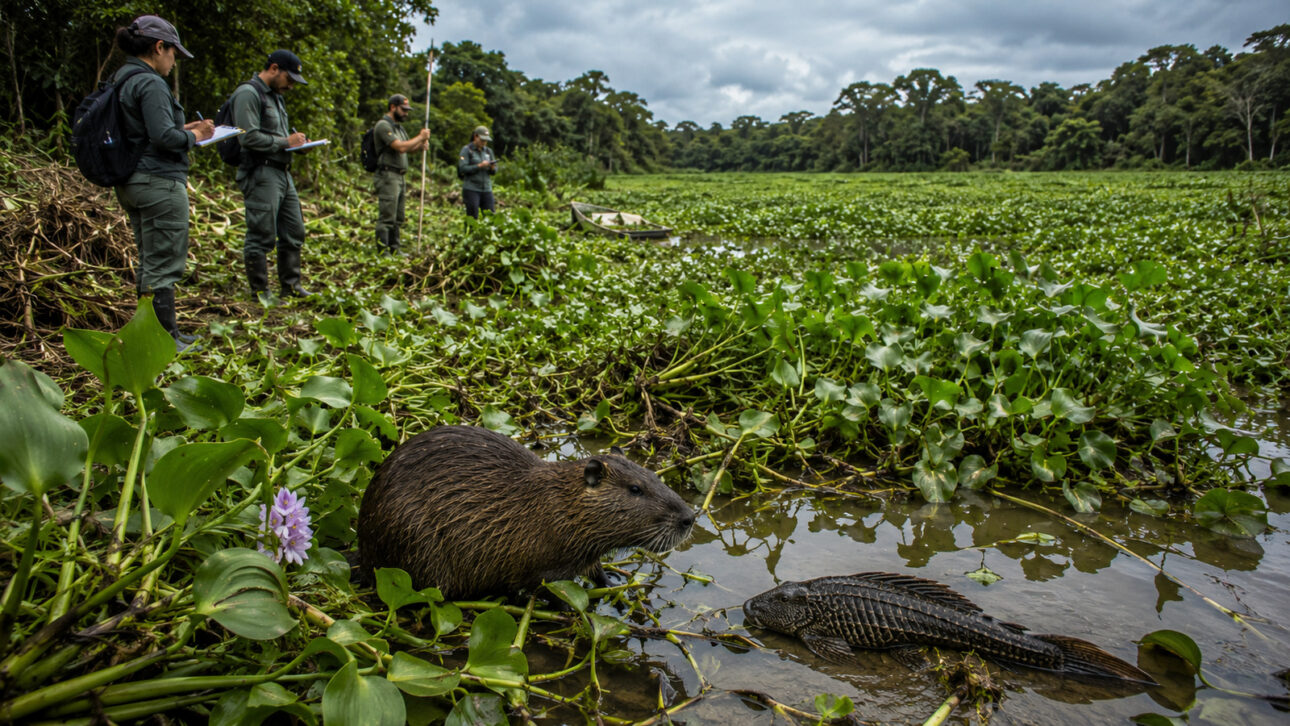
Experts point out that the absence of early detection worsens invasions. The later a species is identified, the more complex and costly the response tends to be.
The Invasive Exotic Species Guide, developed by INCT SinBiAm, gathers updated data and management strategies.
Among the measures used are biological, chemical, and physical control, as well as preventive actions to avoid new introductions.
Why do authorities need to be concerned?
The advance of invasive exotic species concerns authorities because the problem is not limited to the presence of animals and plants outside their original environment.
When they manage to spread, these species can pressure native organisms, affect economic activities, impact environmental services, and make control more expensive over time.
Environmental damage can be irreversible
According to IPBES, invasive exotic species played a significant role in 60% of documented global plant and animal extinctions.
This data shows why the response needs to be swift, especially in regions of high biodiversity.
The impact occurs because these species can compete for food, space, and other natural resources. In some cases, they also alter habitats and reduce the survival capacity of native species.
Economic cost grows with delay
IPBES estimates that the global costs of biological invasions exceeded $423 billion per year in 2019. The report also indicates that these costs have quadrupled every decade since 1970.
This amount involves losses and expenses related to control, containment, and damages caused by invasions.
In practice, the later the problem is identified, the greater the effort required to contain the expansion tends to be.
Prevention is an obligation under an international agreement
The Convention on Biological Diversity guides countries to prevent the introduction, control, or eradicate exotic species that threaten ecosystems, habitats, or species.
In Brazil, the Ministry of the Environment states that invasive exotic species are among the greatest threats to the environment, with impacts on biodiversity, environmental services, health, economy, and natural genetic heritage.
This article was prepared based on information from the National Institute of Science and Technology in Amazonian Biodiversity Syntheses, with data, numbers, and statements preserved as per the material consulted.





Be the first to react!