Portuguese
  Spanish




Project In Wisconsin Comes To Life With Engineering In Practice: 16,000-Pound Roof, Structural Repair Of Old Masonry, And Repurposing Wood From The Land
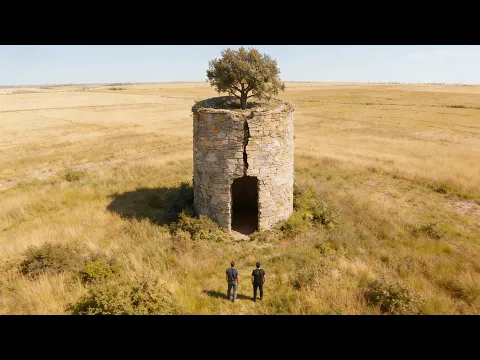
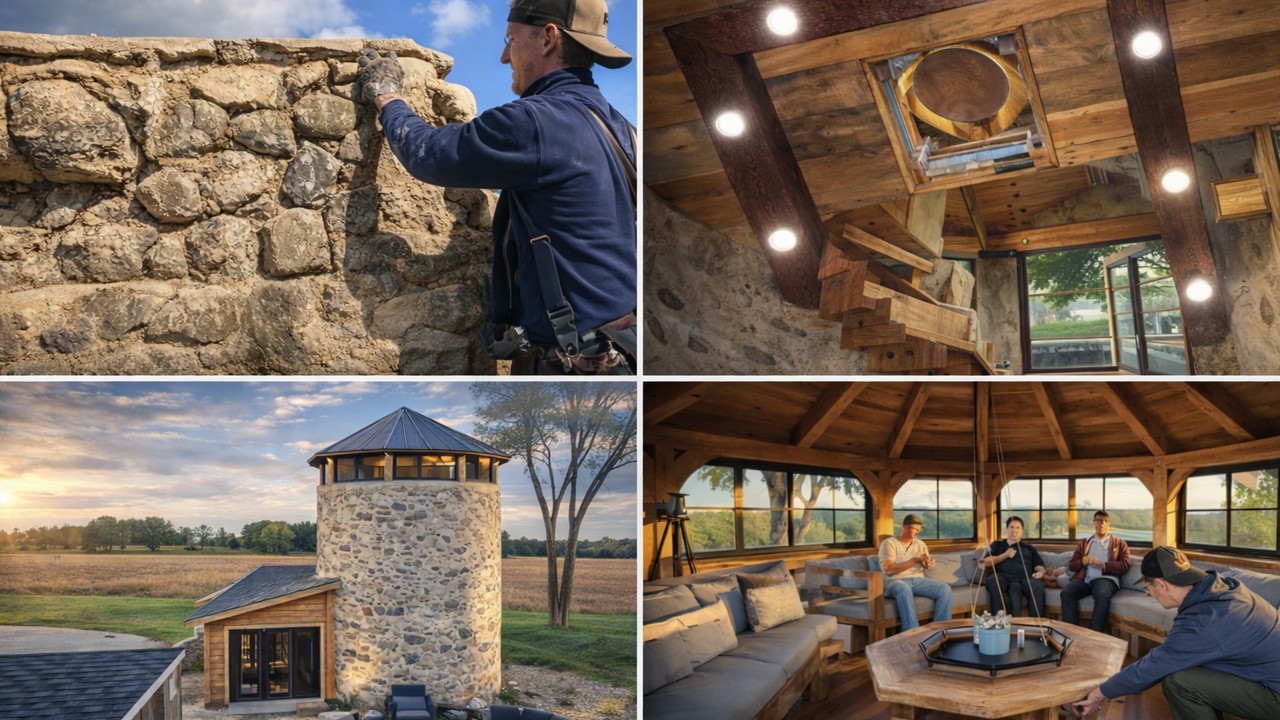
For more than 50 years, a stone silo in a rural area of Wisconsin (USA) sat abandoned, without a roof and deteriorating over time. But the “dead building” — built in 1909 — became the center of a transformation that seems like a movie script: two brothers decided to renovate everything themselves and create a community space with three floors, a bar on the ground floor, and lounge areas above.
The detail that makes this story explode with curiosity is the “hard mode”: no major contractors to save the schedule, with an old wall requiring structural repair, work at heights close to 40 feet (12 meters), and a winter that does not forgive. The renovation turned into a series documented in video and text by the project creators, the Worzalla Brothers.

What They Are Building: 3 Levels, A Bar, And A Family Hangout
The proposal was not to “decorate a ruin”: it was to resurrect the silo and make it usable as a real family gathering space. According to the project’s account, the idea includes:
-
U.S. City Builds Tiny Home Village on Water Company Land to House 136 Homeless People: Inside the Social Housing Units

-
Woman Turns Shipping Container into Home, Embraces Rural Life to Cut Monthly Expenses to Just Over $330
-
France Revamps 530 Social Housing Units with Large Balconies and Glass Facades Without Demolishing Existing Buildings

-
Facing high rent, couple transforms parents’ garage into a fully functional apartment, creating a complete home at a fraction of the market cost.



- bar on the ground floor,
- 2 lounge areas on the upper levels,
- an attached structure for a spiral staircase,
- and external improvements (such as a patio).
The focus was to transform an old stone cylinder into something to take pride in showing — and, most importantly, that could be used for family gatherings.
Why This Is Dangerous And Expensive: Failing Masonry, Height, And A “Monster” Roof
The biggest enemy of the project was not “finishing”: it was structure.
The brothers had to remove dirt, mold, and loose sections, and then move on to the most critical stage: repairing the old masonry, often working at heights to consolidate weakened areas. The project’s own documentation states that the masonry phase was long and demanding before the silo was ready to receive the next stages.
And then comes the number that grabs clicks: the roof and structural pieces involve loads of around 16,000 pounds (about 7.2 tons) and needed to be planned and assembled with precision — because, up high, “making a mistake” is not an option.
The Turning Point Of The Project: “Free” Wood And Hands-On Engineering
Instead of buying new wood (one of the heaviest costs in renovations), they took advantage of ash trees from their own land, including trees that had died from infestation, transforming what would be waste into structural material after cutting, preparation, and controlled drying.
This becomes an excellent real-life hook: when the budget is limited, the project only works when the person becomes the solution — and in this case, they did this by combining carpentry knowledge, “farm tricks”, and engineering planning.
What This Story Says About “Impossible Projects” (And Why It Goes Viral)
The strongest part is not luxury — it is the contrast: a historical, abandoned structure becomes a functional building when someone decides to confront what everyone avoids: risk, work, logistics, and time. The project also highlights a point that many people feel: there are no miracles without a process — and the process, in construction, is what often goes wrong when you depend on the weather, equipment, and old structures.