





 Portuguese
  English
  Spanish
  4 min of reading
  1 comment


Military Union Causes Furor by Displaying CUT Flag at Event and Challenges Constitutional Prohibition. AGU and Federal Revenue Act Against the Entity, Which Tries to Maintain Its Operations, Generating an Explosive Debate About Military Rights in Brazil.
At the center of an explosive discussion about the limits of union organization, a controversy arises that is shaking the Armed Forces.
In an attempt to curb an unprecedented movement in Brazil, the federal government, through the Attorney General’s Office (AGU), has taken legal action to dissolve the newly created Military Union.
The group has stood out for legal actions and symbolic gestures that unsettle high-ranking officers, such as the presence of a flag from the Central Única dos Trabalhadores (CUT) at an official event.
-
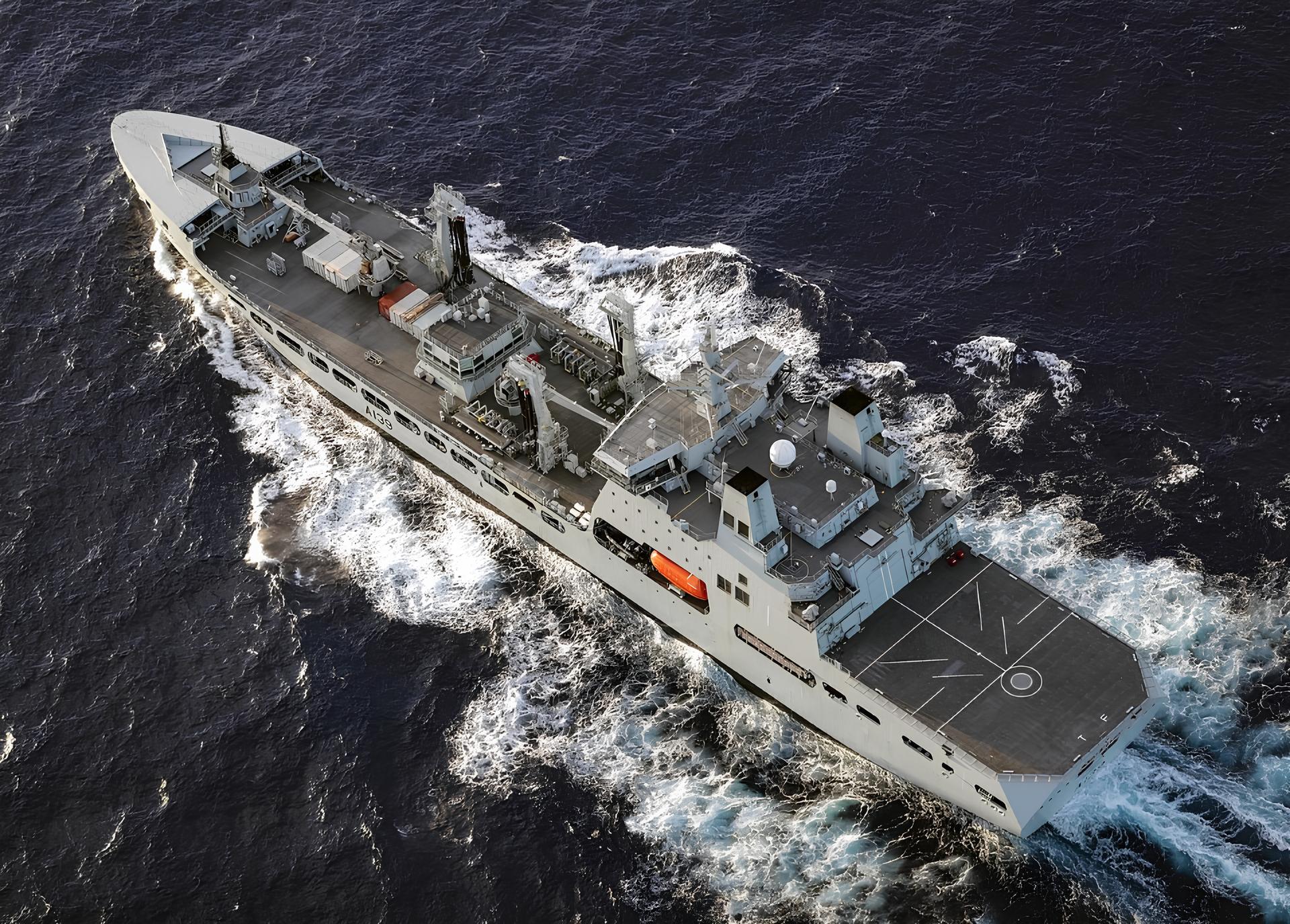
39 thousand tons, 19 thousand m³ of fuel, and 1,300 m³ of fresh water cross oceans without relying on ports: the Tide class ships become mobile bases for the Royal Navy to keep aircraft carriers, frigates, and entire fleets in continuous operation around the world.

-
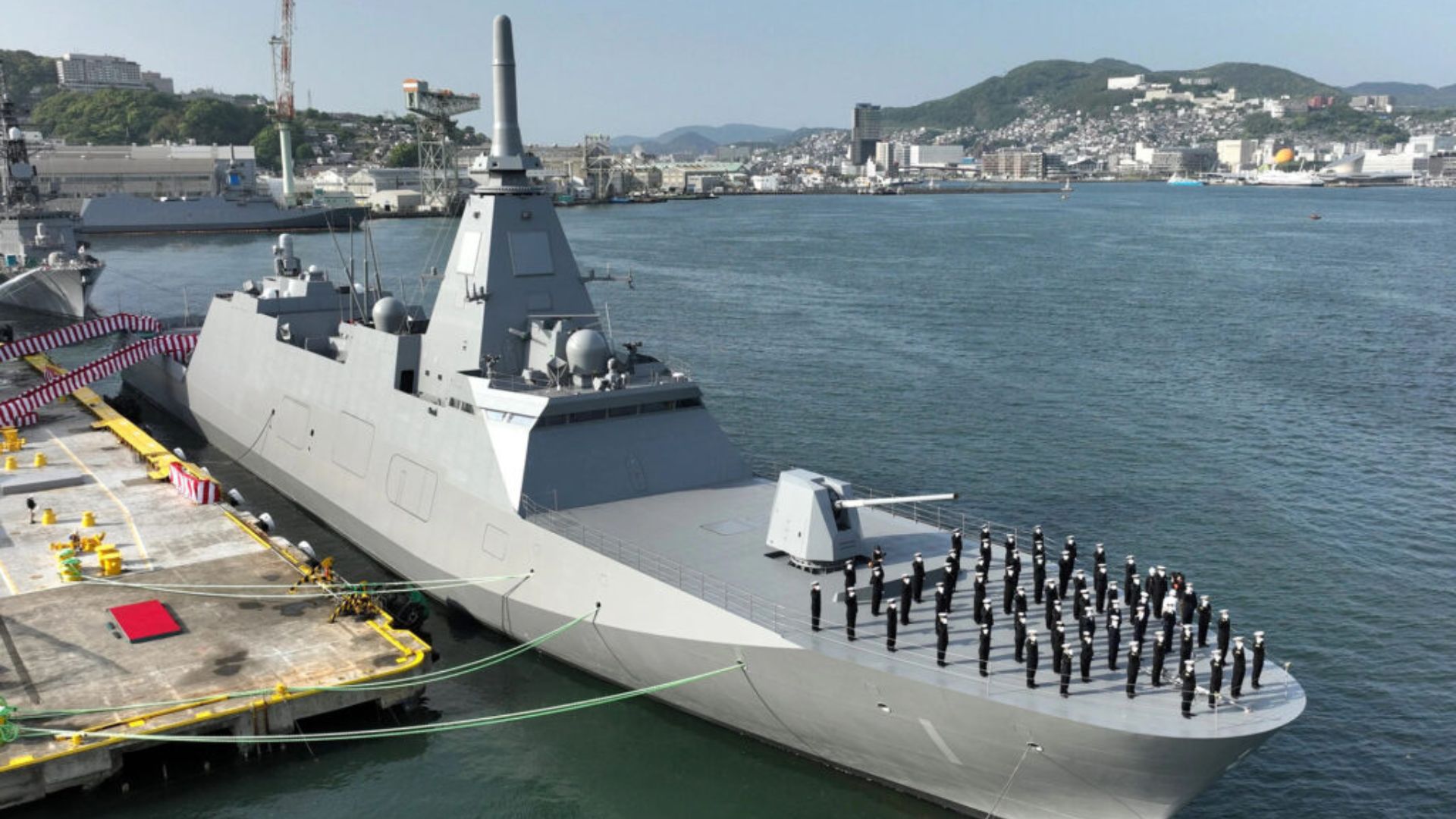
Japan bets on the Upgraded Mogami frigates of up to 6,200 tons, 142 meters in length, over 30 knots in speed, and 32 launch cells in an investment of up to $900 million to redefine naval power in the Indo-Pacific.

-
The United States has just reached an unprecedented agreement to use military lasers on American soil — the plan is to create a defense dome that takes down drones at the speed of light and costs cents per shot.

-
With 4,800 tons and the capability to travel up to 10,000 nautical miles, Australia invests $7 billion to renew its fleet with new ‘Upgraded Mogami’ class frigates.



In recent months, the Military Union has increased its visibility by getting involved in legal and political discussions, claiming rights for its members and questioning the actions of military leadership.
The official response came from the AGU, which filed a lawsuit in the Federal Court of the Federal District to annul the union’s registration.
The union entity, which identifies itself as a defender of the interests of military personnel and their families, is still seeking space in the national debate, but now faces questioning about its own legitimacy.
Military Leadership Under Pressure and the Growing Union Base
Although the Army, Navy, and Air Force have not yet directly commented on the case, the three commanders of the Armed Forces – Tomás Miné, from the Navy, Olsen, from the Army, and Damasceno, from the Air Force – are observing the situation with caution.
It is common practice for these high-ranking officers to keep their distance from political manifestations, delegating to the AGU the role of representing the Armed Forces in court.
The Military Union, or SINDMIL, is already operating in Brasilia and has branches in Rio de Janeiro, with plans to expand its activities to Rio Grande do Norte in 2024.
During an event in April of this year at the National Congress, the president of the union, George Brito, publicly appeared with a CUT flag.
The image was widely circulated, provoking reactions and leaving many officers uncomfortable. Brito even directly criticized, accusing the commanders of the Armed Forces of protecting the previous government in exchange for salary benefits restricted to the leadership.
“The law is a coup bargain,” he declared confrontationally.
The Legal Basis: 1988 Constitution and the Prohibition of Unionization
The main argument of the government against the union lies in Article 142, Paragraph 3, Section IV, of the Federal Constitution of 1988, which explicitly prohibits the unionization of military personnel.
Thus, the AGU bases its request for the dissolution of the entity, claiming that the creation of a union directly contradicts the constitutional text.
According to the petition, the government seeks to annul the civil registration of SINDMIL. The legal action states the following request: “THE UNION files an annulment action of the civil registration of the legal entity SINDMIL – MILITARY UNION OF RETIRED MILITARY PERSONNEL, THEIR DEPENDENTS, PENSIONERS, WIVES OF MILITARY PERSONNEL, RESERVISTS AND SOLDIERS OF THE ARMED FORCES, arguing that Article 142, Paragraph 3, IV, of the Federal Constitution, prohibits military personnel from forming unions.”
Federal Revenue Blocks the Union’s Financial Activities
Another obstacle arose with the Federal Revenue Service, which canceled the CNPJ of the union, declaring it inactive. According to Judge Márcio de França Moreira, this measure directly affects SINDMIL’s operations, as without the CNPJ, the union cannot open bank accounts, hire employees, issue invoices, or even carry out financing.
“This cadastral situation generates effects that hinder the functioning of the entity itself, as without the CNPJ, the legal entity is unable to exercise its social and financial activities, such as: hiring employees, opening or moving bank accounts, making financial investments, requesting and obtaining loans and financing, issuing invoices, among other consequences,” declared the judge in his decision, highlighting that fiscal inactivity compromises the functions of the union.
The Response of the Justice System and the Current Situation of the Union
Despite the restrictions, the judge chose to investigate whether the union still has an active civil registration, summoning the Civil Registry Office of the 2nd Notary in Brasília.
If SINDMIL’s registration remains valid, the union may still seek legal alternatives to remain active, at least while the judicial situation is unresolved.
The SINDMIL board was also summoned to officially respond, and the continuation of the union’s operations now depends on the court’s decision regarding the validity of the registration and the constitutionality of the entity.
Union Expansion and the Future of Military Associations in Brazil
While the government tries to dissolve SINDMIL, the union movement within the Armed Forces sparks discussions about the rights and limitations of military personnel in Brazil.
Although the country has laws that prevent the unionization of the Armed Forces, the union argues that its existence is legal, as it defends the interests of retired military personnel, pensioners, and reservists.
This issue raises a broader debate about the extent to which Brazilian legislation should adjust to reflect the demands of Armed Forces professionals.
The main question is whether Brazil is prepared for a possible evolution in the regulation of military rights, especially concerning unionization and freedom of expression.
While some view SINDMIL as a threat to the hierarchy of the Armed Forces, others believe that this movement can strengthen the protection of military rights.








Os oficiais que sao a minoria, ganham por cima e nao executam nada,os praccas de pre que sao quem executa na linha de frente, ganham uma mixaria que mal paga o aluguel.Vergonha, decepcao, nao recebi Pasep nem licenza premio.Vergonha dos lalaus do Poder Executivo.