






 Portuguese
  Spanish
  2 min of reading
  0 comments


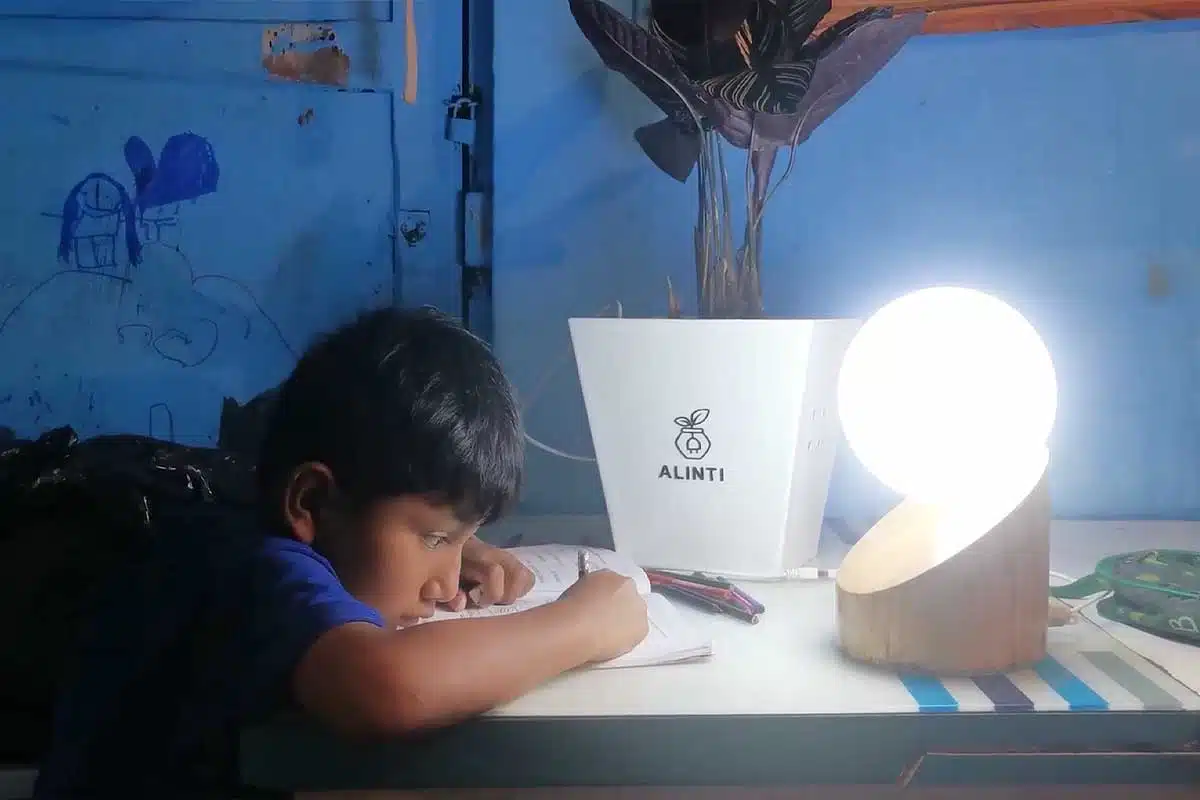
The Innovative Technology Allows a Plant Pot to Generate Electricity Through Natural Interactions with Soil and Microorganisms
Electricity has always been a challenge in many remote areas. In Peru, an invention promises to change this reality. Created by civil engineer Hernán Asto, the Alinti device generates clean energy from the photosynthesis of plants.
The idea arose from his own childhood experience growing up in Ayacucho, one of the poorest departments in Peru, without access to electricity.
An Idea Born from Necessity
Without electricity, Asto studied by candlelight. One day, one of the candles caused a fire in his house. This incident marked him forever and motivated him to seek a safe and accessible alternative.
-
Space technology used to search for water on Mars is now hunting for invisible leaks under the streets of São Paulo, using satellites, AI, and chlorine signals to help Sabesp recover up to 6.7 billion liters of water.

-
Japan sends ship to extract mud rich in rare earths at nearly 6,000 meters deep in the Pacific, attempts to lift 350 tons per day from the seabed, and transforms sediments near Minamitori Island into a strategic weapon to reduce dependence on China.
-
Venus Aerospace promises a rotating detonation hypersonic engine that takes the Stargazer to Mach 9 and crosses oceans in 1 hour, but the flight that made history barely surpassed the speed of sound.

-
Brazilian student creates a cheap formula that makes plants grow up to 90% faster and wins an award in a global scientific competition.





During his studies at Universidad Alas Peruanas, he noticed that many families still relied on rudimentary solutions.
He then decided to create a clean energy source that could be used in communities with no access to the electrical grid. Thus, Alinti was born, a startup focused on bringing electricity to remote places.
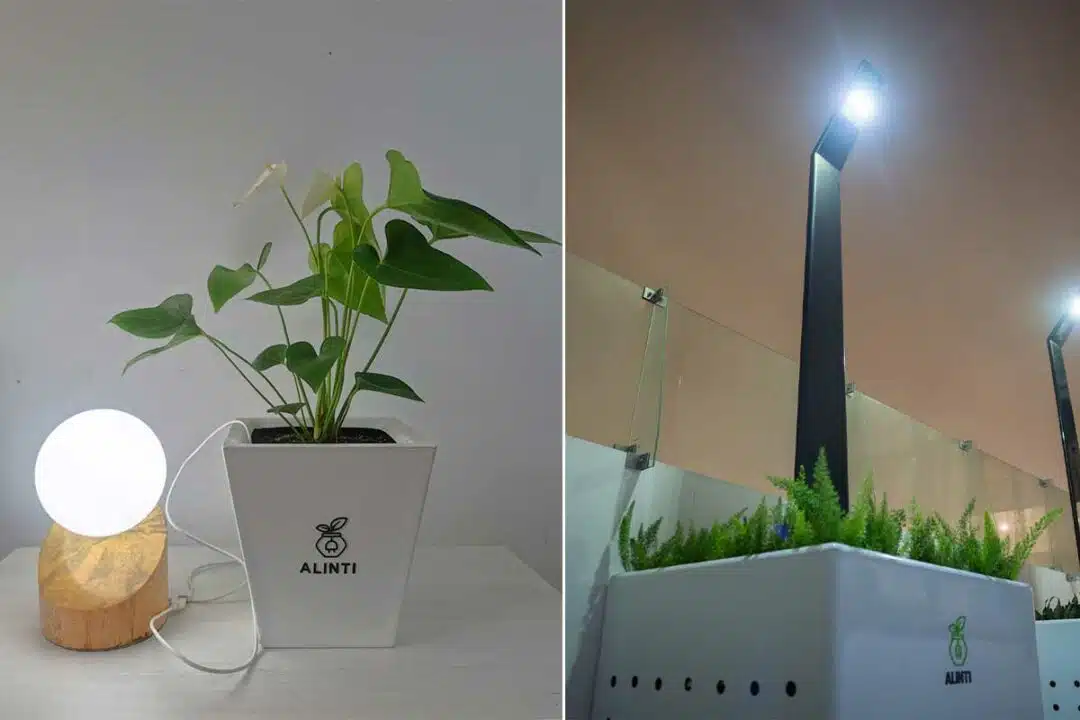
Clean Energy Source: How the Device Works
The system developed by Asto uses a hybrid clay device that transforms the energy generated by the photosynthesis of plants into electricity. The technique harnesses the bacteria present in the roots, creating a clean and accessible energy source.
Unlike other renewable technologies, Alinti does not require solar panels, wind or external batteries. It operates solely with plants and water.
This innovation can be an effective solution for lighting small homes, charging cell phones, and even powering environmental sensors. The simplicity of the technology allows its application in communities that still rely on fossil fuels or other unsustainable energy sources.
International Recognition
The environmental and social impact of Alinti has attracted attention at global events. The invention received the Global eAwards 2024, promoted by the NTT DATA Foundation, and secured €100,000 in funding for its development.
Additionally, Asto also won second place in the “An Idea to Change History” contest from the History Channel and won the Green Bio-Circular Award at the APEC Forum 2023.
These awards demonstrate the relevance of Alinti in the renewable energy sector. With more investment, the technology can expand its reach, benefiting more communities around the world.
With information from Neo Zone.


Be the first to react!