Portuguese
  Spanish


In Lapa, Grupo Potencial expands production and starts producing more soybean oil biodiesel in one place than any other plant in the world
The largest biodiesel factory in the world will not be located in the United States or Europe: it will operate in Lapa, a city of about 50,000 inhabitants in the metropolitan region of Curitiba. Grupo Potencial announced the expansion that increases the unit’s capacity from 900 million to 1.62 billion liters of biodiesel per year, enough to make the plant the largest producer of soybean-based biodiesel in a single location on the planet.
With the expansion, expected to be completed by the end of 2026, the family group jumps from 5th to 1st place worldwide in the sector. It is a silent turnaround: while few were paying attention, a Brazilian company set up the largest biodiesel factory on the planet, powered by soybeans, in the interior of Paraná.
From 5th to 1st place in the world
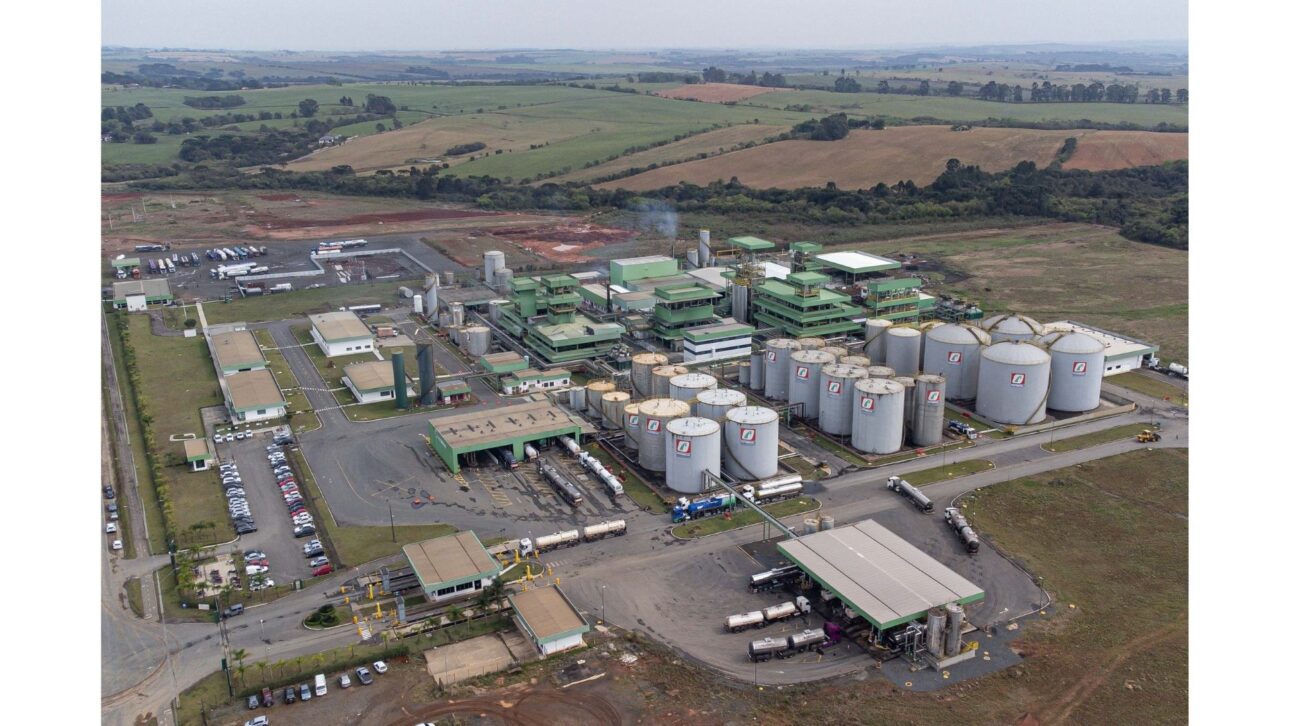
Photo: Roberto Dziura Jr/AEN
The leap in position is the most impressive data. Moving from fifth to first place worldwide is not just advancing one step: it is surpassing all competitors at once. And this happens from a single industrial plant, not a conglomerate spread across several countries.
-
UK Teachers to Receive 6.6% Pay Rise Over Two Years, With Schools Covering Part of the Costs

-
Abu Dhabi Acquires Brazil’s Largest Soybean Export Terminals for $835 Million, Gaining Control Over Key Ports in Santos and Itaqui

-
Europe Introduces €3 Fee Per Category on Shein, Temu, and AliExpress Purchases, Potentially Impacting Low-Cost Shopping from July 2026
-
Brazil to Build Two Immersed Tunnels Under Port Areas, with the Most Advanced Project Receiving $1.3 Billion Investment and Featuring 870 Meters Submerged to Transform Historic Crossing.


The contrast with the traditional image of the sector is striking. When thinking of fuel leadership, the mind goes to multinational giants and great powers. The reality here is a family-controlled group betting heavily on a municipality in the Brazilian interior, transforming soybeans into fuel on an unprecedented scale.
According to the Government of Paraná, the Lapa complex will consolidate as the largest soybean biodiesel hub in the world. It is the materialization of a modular growth strategy that has been built, brick by brick, over more than a decade.
The numbers that make the biodiesel factory the largest in the world
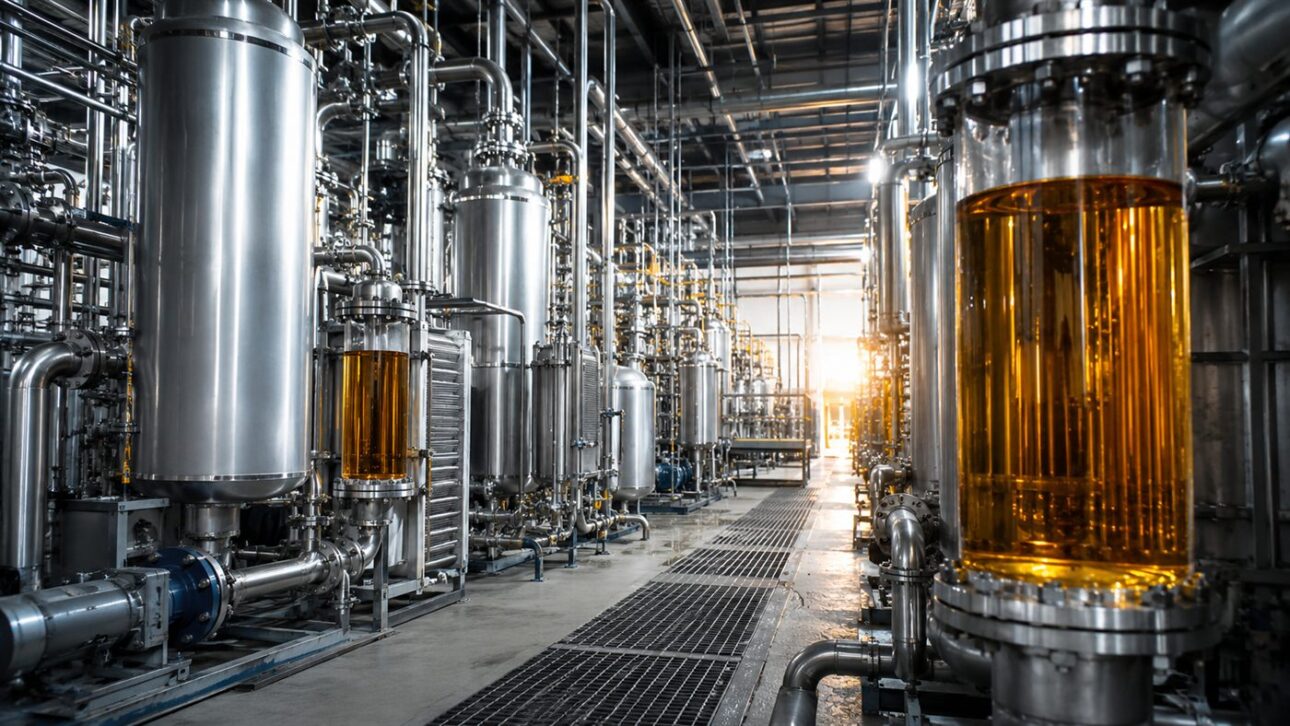
The volumes explain the magnitude of the achievement. The current capacity of 900 million liters per year already made the unit the largest in Brazil. The expansion almost doubles this number, bringing annual production to 1.62 billion liters, a mark that no other soybean biodiesel plant achieves alone.
To get there, Grupo Potencial announced an investment of about R$ 600 million just in the expansion of the biodiesel plant. It is not an isolated number, but the final piece of a billion-dollar puzzle. According to Forbes, the group’s investments in the region have already surpassed R$ 6 billion accumulated since 2012.
The jobs give the social dimension: just the expansion of the Lapa plant is expected to generate about 600 direct jobs and between 1,000 and 1,500 indirect jobs, an economic boost for a city of this size.
The R$ 6 billion complex in Lapa
The large factory does not live alone. It is the center of an agro-industrial complex that vertically integrates the entire chain, and it is this integration that sustains the leadership. Next to the plant, the group operates soybean crushing with a capacity to process about 3,500 tons per day, ensuring the oil that feeds the process.
The complex also includes the largest refined glycerin plant in the Americas, with production of around 80,000 tons per year, in addition to a corn ethanol plant and projects for degummed oil, DDGS, and biogas. Each byproduct of one stage becomes input or revenue in the next stage, in a model of industrial circular economy.
There is even a dedicated pipeline in the plan: a bioduct of about 55 km connecting the Lapa industrial hub to the Araucária petrochemical hub in Paraná, with an estimated investment of around R$ 150 million. It is logistics designed to transport the fuel without relying solely on road transport.
Why soy and why now
The timing of the bet is not by chance. Brazil has been gradually increasing the mandatory percentage of biodiesel mixed with diesel, and the trend is for a continuous increase in this mixture in the coming years, which expands the internal demand for renewable fuel.
When the country mandates that each liter of diesel carries a larger share of biofuel, it creates a captive and growing market. Those with installed capacity to meet this demand get ahead, and that is exactly what Grupo Potencial is doing by doubling its production before the new wave of consumption arrives.
Soybean enters as a natural raw material: Brazil is one of the world’s largest producers of the grain, and the oil extracted from it is the most abundant and competitive base for biodiesel production in the country. It is energy born from the national agribusiness.
What is biodiesel and how soybean oil becomes fuel
It’s worth understanding what is being produced on such a scale. Biodiesel is a renewable fuel made from vegetable oils or animal fats, used in diesel engines, pure or mixed with fossil diesel. In the case of Lapa, the base is soybean oil.
The central process is called transesterification: the oil reacts with an alcohol, usually methanol, in the presence of a catalyst, and transforms into esters, which are the biodiesel, plus glycerin as a byproduct. It is consolidated industrial chemistry, but doing this in the billions of liters per year requires precision and scale engineering.
That’s why the integrated complex matters so much. Having soybean crushing, biodiesel production, glycerin utilization, and corn ethanol in the same place reduces costs, losses, and transportation, making each liter more competitive.
The effect on Lapa and Paraná
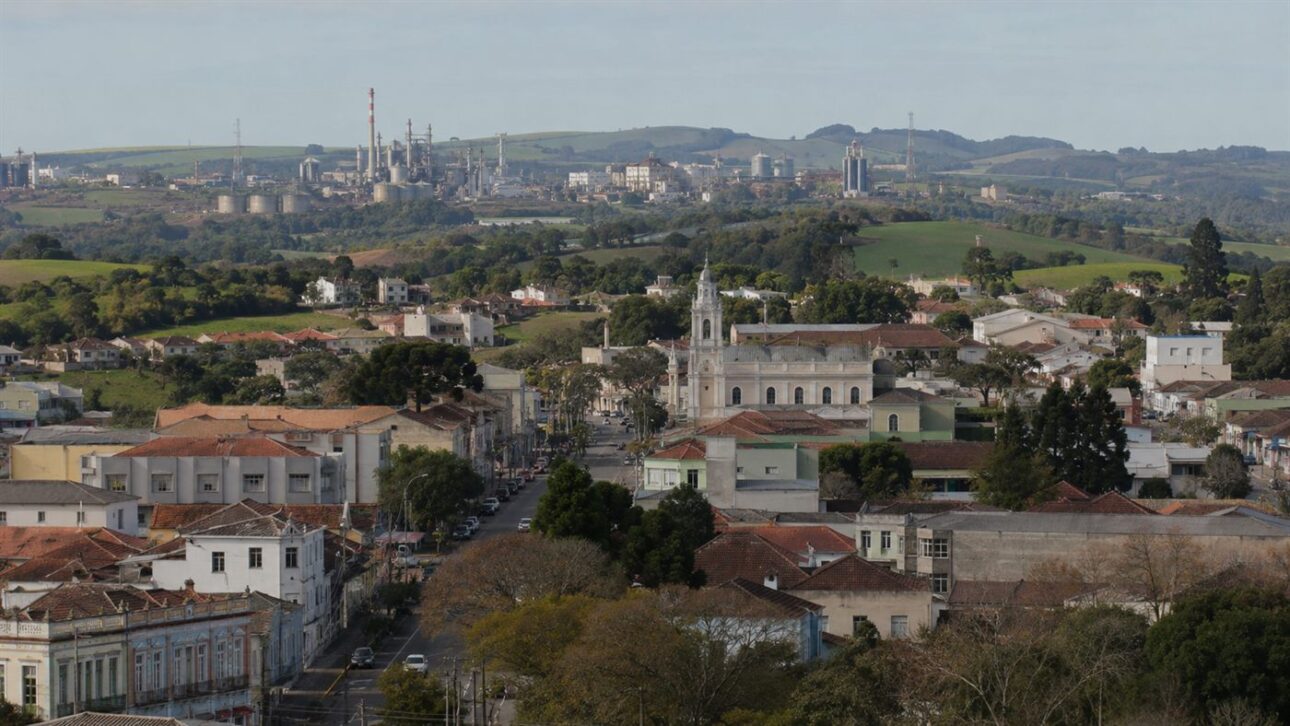
For Lapa, hosting the world’s largest biodiesel factory means a profound economic transformation. Revenue, jobs, suppliers, services, and infrastructure accompany an investment of this magnitude, putting an inland municipality on the national energy map.
Paraná, in turn, gains a world-class biofuel hub, reinforcing its agro-industrial vocation. A state that is already an agricultural powerhouse now adds value at home, transforming grain into energy instead of just exporting commodities.
The local challenge is the same as any city hosting a large industrial complex: planning growth, avoiding excessive dependence on a single employer, and ensuring that the benefits spread throughout the population.
Brazil in the leadership of biofuels
The case of Lapa adds to a trajectory in which Brazil establishes itself as a global reference in biofuel. From sugarcane ethanol to corn ethanol, and through biodiesel, the country has built a much more renewable transport matrix than most nations.
Having the world’s largest biodiesel factory within national borders is a powerful symbol of this leadership. It shows that the country not only produces the raw material, soybeans, but also masters the industrialization and technology to transform it into energy on a global scale.
This has geopolitical and economic weight. In a world rushing to decarbonize transportation, mastering the production of renewable fuels is a strategic asset, and Brazil is positioned at the forefront.
The risks and challenges of the model
None of this is free from tensions. The expansion of soybean biodiesel production sparks the debate over land use, pressure on agricultural areas, and the old discussion between food and fuel. Producing more oil for energy requires more soybeans, and this needs to be done without pushing deforestation.
There is also the economic risk of concentrating so much capital in a single sector and a single raw material, sensitive to grain prices, exchange rates, and blending policies. Global leadership brings spotlights, but also exposure.
Even so, the fact is concrete and counterintuitive: a small city in Paraná will produce more soybean biodiesel in one place than any plant on the planet. If a family group from the interior of Brazil reached the world top by doubling its capacity, how much more can be grown by transforming the national agribusiness into energy?