






 Portuguese
  Spanish
  4 min of reading
  0 comments


Clay figurine found in Guatemala may contain the oldest numerical record ever identified in Mesoamerica, according to a new archaeological study.
A small clay piece found at the archaeological site of La Blanca, on the Pacific coast of Guatemala, is attracting the attention of archaeologists for an unexpected reason. The object, which fits in the palm of the hand, may contain the oldest evidence ever identified of a numerical system in Mesoamerica, a region that covers part of Mexico and Central America.
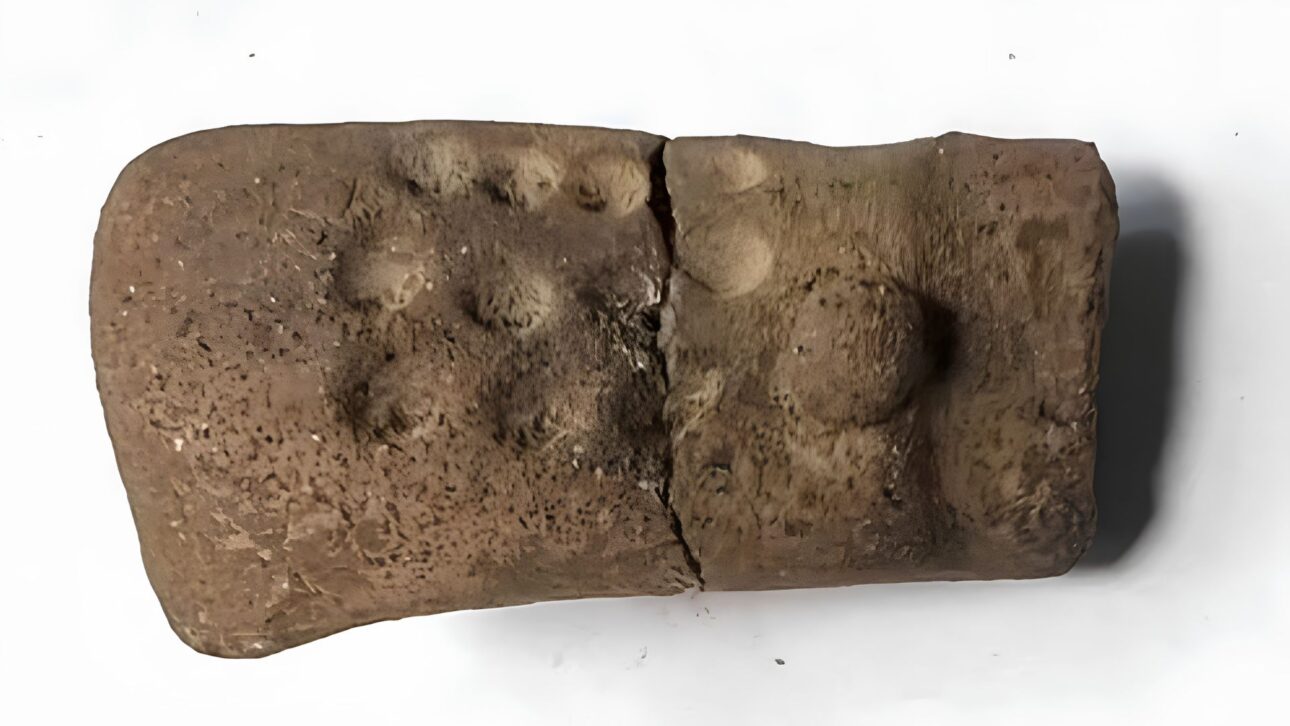
According to the scientific portal Phys.org, the figurine was dated between 750 and 650 B.C. and features 11 carefully impressed dots in the head area, organized into three columns. The study, published in the scientific journal Latin American Antiquity, suggests that these markings may represent an initial form of numerical writing used centuries before the known systems in the region.
A small clay fragment may rewrite part of the history of mathematics in the Americas
The piece belongs to a group known by archaeologists as “tab figurines,” small clay statuettes found in La Blanca over the past decades.
-
Hairdresser opens a simple salon at her doorstep in Sete Lagoas, cuts the ribbon with her daughter, and draws attention on social media; emotional video goes viral, attracts over 22,000 followers, and turns a humble beginning into an inspiration for thousands of people.

-
Japanese fans transform NFL stadium into a global example of education at the 2026 World Cup; after a dramatic draw against the Netherlands, blue bags used in the celebration become a cleaning tool and the stands end up trash-free in the United States.
-
United Kingdom announces social media ban for under 16s

-
Human beings are ‘dumber’ and Generation Z’s IQ raises a global alert: for the first time in 100 years, studies indicate a decline in scores, but 70% of large companies already prioritize skills that tests created in 1905 cannot measure.





According to Phys.org, more than 300 figurines of this type have been discovered at the archaeological site, but only one features the unusual set of 11 deliberately organized dots in the head region. Researchers highlight that the distribution of the dots deviates from the decorative patterns normally used by Mesoamerican peoples, which strengthens the hypothesis that they had some specific meaning.
The artifact went years without receiving much attention, but new analyses have led researchers to reconsider its importance within the history of writing and numeration on the American continent.
The 11 dots may represent one of the oldest numerical systems in Mesoamerica
According to the study cited by Phys.org, the dots appear distributed in three columns, one with three marks and two with four marks each.
Researchers argue that the asymmetrical arrangement is unusual for simple ornamentation. In many later Mesoamerican cultures, dot systems were used to represent numerical values, calendars, and identity records.
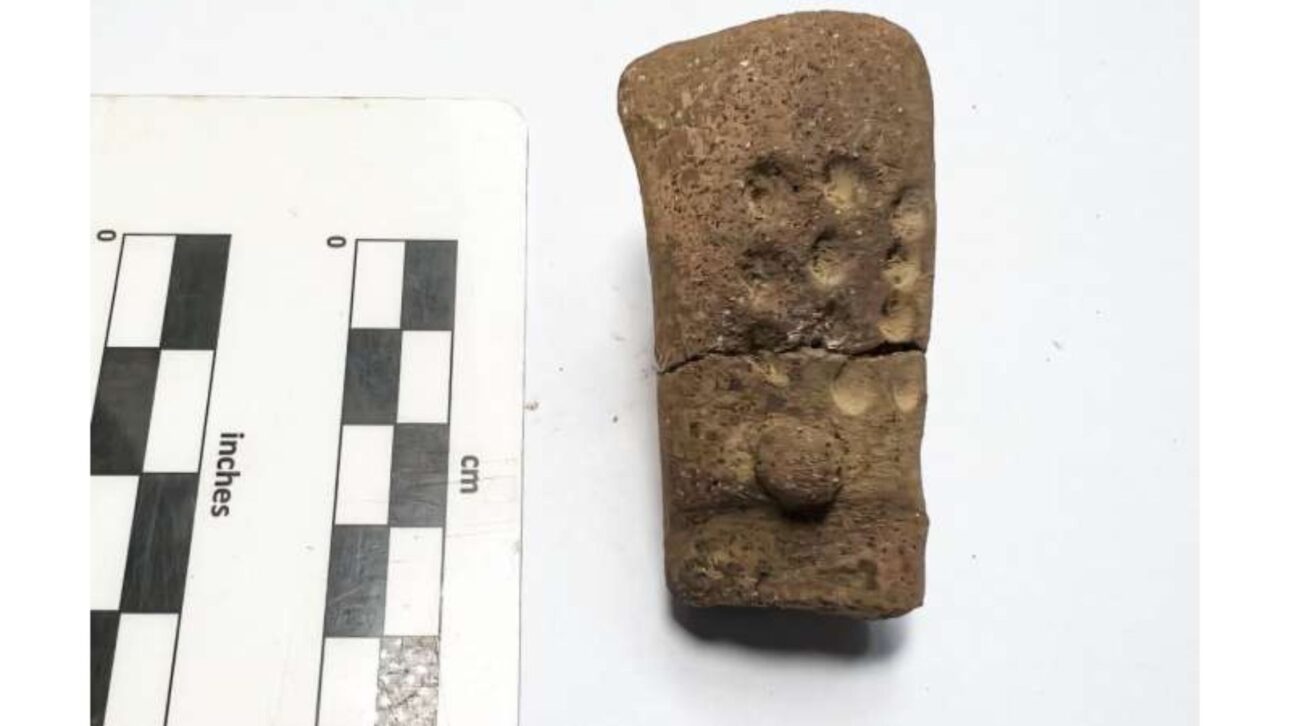
Therefore, the team considers it plausible that the piece represents a very ancient form of numerical record.
The exact meaning of the 11 points remains unknown. They may represent a number, a date, a name, a social marker, or some element linked to the identity of the individual represented in the statuette.
The position of the points on the head may be as important as the number itself
A detail particularly caught the attention of archaeologists. According to Phys.org, the markings were placed precisely in the head region of the statuette. In various Mesoamerican cultures, the head was considered one of the main symbols of identity, social position, and individuality.
The authors of the study note that, in later periods, numbers began to be associated with sacred calendars, personal names, and concepts linked to destiny. This relationship between numbers and identity may have roots much older than researchers previously imagined.
This interpretation helps explain why the points were positioned in such a symbolic area of the artifact.
Discovery strengthens the idea that numbers may have emerged before formal writing
One of the most interesting conclusions of the study is that counting systems may have appeared before the consolidation of writing.
According to Phys.org, various ancient societies developed ways to record quantities, time cycles, and practical information long before the creation of complete writing systems. Researchers believe something similar may have occurred in Mesoamerica.
The discovery reinforces the hypothesis that the need to count, organize calendars, and record important information may have driven the emergence of early forms of graphic communication.
If confirmed, this interpretation would place the small statuette among the most important objects ever found for the study of the origin of writing and mathematics in the Americas.
La Blanca continues revealing signs of a society more complex than imagined
The statuette is not the only evidence found at the archaeological site. According to Phys.org, previous research at La Blanca identified ceramics and other objects containing symbols reminiscent of primitive forms of calendrical records.
These findings suggest that the inhabitants of the region were experimenting with different ways of recording information long before the emergence of the more well-known writing systems of Mesoamerica.
The combination of these elements makes La Blanca one of the most important sites for understanding how the first symbolic systems on the continent emerged.
Eleven points that could change a history written centuries ago
For now, archaeologists still cannot say with certainty what the 11 points represent. The interpretation remains a scientific hypothesis under analysis.
Even so, according to the study published in Latin American Antiquity and reported by Phys.org, the piece already stands out as one of the most promising pieces of evidence that Mesoamerican societies were experimenting with forms of numerical recording between 750 and 650 B.C., many centuries before the most well-known examples today.
At first glance, it is just a small fragment of clay. But, for archaeologists, these 11 points may represent a window into a decisive moment in human history: the instant when numbers, identity, and communication began to converge.





Be the first to react!