Portuguese
  Spanish


U.S. Extra Tariff Halts Logistics and Puts Brazilian Harvest at Risk
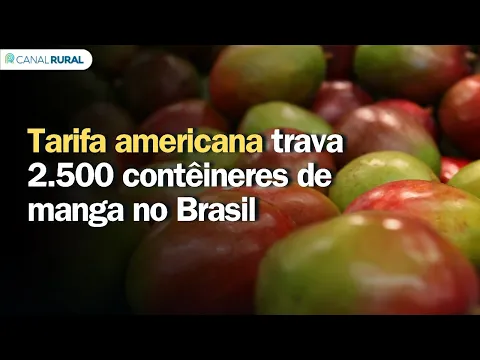
The additional tariff imposed by the United States, 50% on Brazilian mango, is already preventing the shipment of over 2,500 containers.
The surcharge, announced on July 16, 2025, directly affects the export season of the São Francisco Valley, which was set to start shipments as early as the first week of August.
The operation had already secured packaging, contracted logistics, and harvested production. Even with U.S. importers ready to receive, the shipment was suspended.
The measure, therefore, threatens the entire national production chain, causing immediate losses and risk of waste.
U.S. Logistics Was Already Set Up to Receive
Importers in the United States organized the entire supply chain, anticipating Brazilian fruits as they do every year after the supply cycle from Mexico.
From May to July, Mexican mangoes supply the North American market, subsequently opening space for Brazilian production.
However, the tariff made the operation economically unfeasible, leading producers to describe the scenario as “harvesting to incur losses.”
All the production of the tomy variety, concentrated between August and September, is ready for export but without a defined destination.

Internal or European Rerouting Does Not Solve
Although they may seem like alternatives, rerouting the cargo to the domestic market or Europe is not a viable solution.
Europe is already supplied, which would drive prices down. In the Brazilian market, absorbing such a large quantity of fruit would cause surplus, price pressure, and losses for producers. Moreover, production costs would exceed the average prices practiced.
The risk of waste and revenue collapse is imminent, calling into question the viability of this year’s harvest. Shipping now would mean incurring certain losses.
-
India’s Sugar Export Cuts and Ethanol Shift Amid El Niño Threat Could Impact Global Prices and Stocks

-
Quarantine Pest Threatening Palm Trees Puts Brazilian Authorities on Alert, Prompts Monitoring at University of Taubaté and Potential Control Measures Across São Paulo
-
Global Alert: Report Finds 159 Pesticides in Coffee Beans Sold in Europe, Posing Serious Risks to Millions of Farm Workers
-
Low-Demand Brazilian Beef Offal Gains Popularity Abroad: Indonesia Purchases $19.5 Million, Boosting Revenue and Reducing Waste



Agricultural Sector Negotiates with Government and Awaits U.S. Retreat
Given the seriousness of the situation, the Minister of Agriculture and other government representatives.
The goal was to request the removal of fruits from the U.S. tariff list. In parallel, the entity is also seeking support from U.S. importers, who are pressing for a retreat from the measure.
The sector is therefore trying to postpone the tariff’s validity or exclude it before August 1, 2025, the date of implementation.
There is still a negotiation window, although time is increasingly running out to reverse the losses.