






 Portuguese
  Spanish


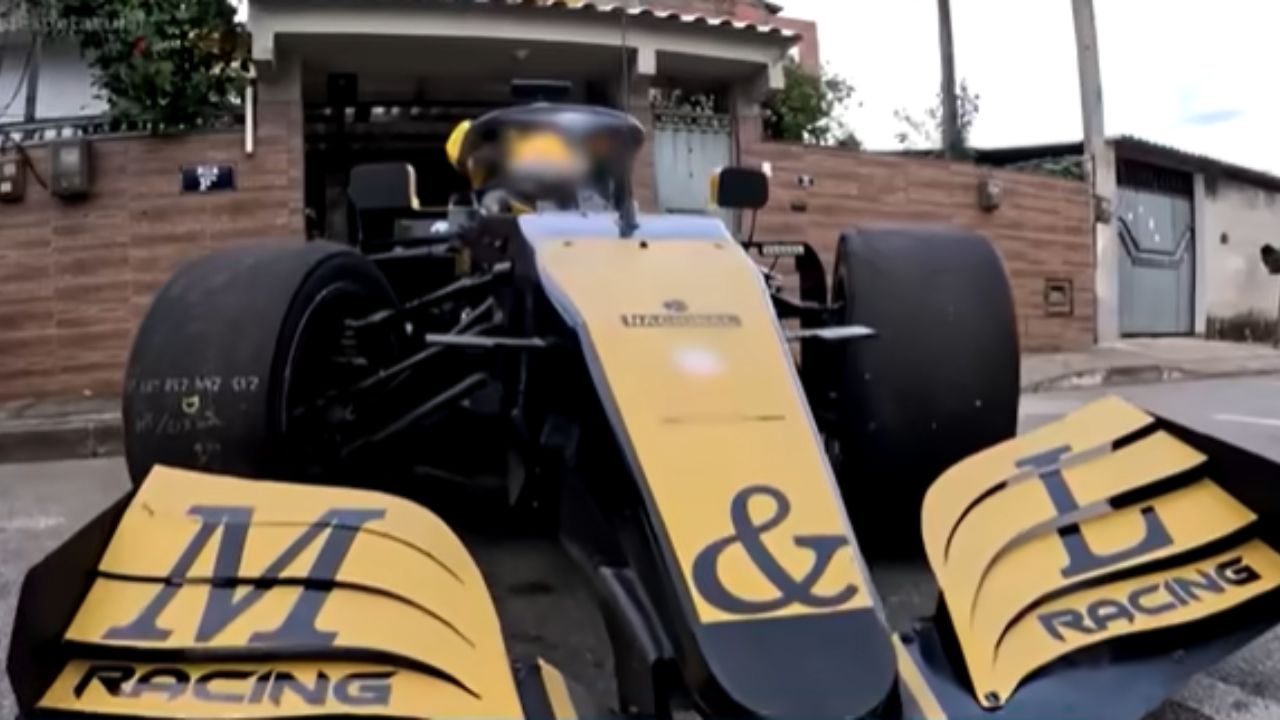

When Building A Race Car In The Garage, The Welder Draws The Attention Of Stock Car And Takes The Neighborhood Race Car To The Racetrack, Even Without A Driver’s License.
A welder from the interior of Rio transformed his own home into a workshop to build a race car in the garage, using reused parts, forced study, and a lot of persistence, even without being a mechanic and not knowing how to drive.
The story sheds light on a worker who started from scratch, caught the attention of champions in motorsport, and proved that discipline and creativity can elevate an artisanal project to a level that many people only see at a racetrack.
Manuel Luiz Machado Amaro, 51, a boilermaker and welder, decided to build a race car in the garage in Ururaí, a district of Campos dos Goytacazes, and ended up becoming a local reference for artisanal motorsport.
-
U.S. City Builds Tiny Home Village on Water Company Land to House 136 Homeless People: Inside the Social Housing Units

-
Woman Turns Shipping Container into Home, Embraces Rural Life to Cut Monthly Expenses to Just Over $330
-
France Revamps 530 Social Housing Units with Large Balconies and Glass Facades Without Demolishing Existing Buildings

-
Facing high rent, couple transforms parents’ garage into a fully functional apartment, creating a complete home at a fraction of the market cost.




It took 8 years of sketches, planning, and assembly, with sleepless nights and entire weekends spent in the garage. He learned mechanics in the process because he had no technical or academic training to do what he did.
Who Is The Welder Who Decided To Build A Race Car In The Garage
Manuel describes himself as a welder and boilermaker and says he can be called the “king of MacGyver,” in the sense of creating solutions with what he had on hand. The foundation of the project was born at home, in a small garage with a big dream, and many people around doubted from the beginning.
The emotional push came from his childhood, when he watched races with his father and grew up admiring Ayrton Senna. The passion became fuel to persist, even hearing that he wouldn’t have the money, technique, or conditions for a project of this size.
What He Used On The Car And Why The Project Became A Lesson In Creativity
To build a race car in the garage, Manuel mixed parts from four different vehicles, scavenged from junkyards, and adapted components by hand.
The engine is a 1.8, described as a rarity from the 90s. The chassis was made from carbon steel. The dashboard was manufactured and adapted, the steering wheel was repurposed, and various items were combined to “marry” a functional set.
Among the parts mentioned in the project are a fuel tank from a Chevette, components from the AP engine system, a repurposed transmission, and a rear suspension arm from a Beetle. It is artisanal engineering done in practice, with solutions created to work, not to decorate.
What Is Still Missing For The Car To Move On Its Own


Despite impressing with its appearance and assembly, the car still needs brake and clutch adjustments.
In some attempts, Manuel is able to start it, and the roar of the engine comes through strongly, but to move from the spot, the machine still needs a little push.
He himself makes it clear that he is not obsessed with extreme speed. The main goal is to make the car move, even if it’s at 40 km/h, because seeing the project in motion is already the most symbolic achievement.
How The Garage Caught The Attention Of Interlagos And Stock Car
The artisanal car already had a showcase moment: it was displayed at the Interlagos racetrack in São Paulo during a Stock Car race. There, Manuel met names like Rubens Barrichello and Felipe Massa and received recognition for his talent and persistence.
This leap from “garage” to “racetrack” shows why building a race car in the garage was not just a hobby. It became a story that impacts those who understand the sport and those who recognize the effort of a worker.
How Much He Spent, How Much They Offered, And Why He Does Not Sell

Manuel claims to have invested about R$ 100 thousand in the construction. And even so, he does not put the car for sale. He says he has already received an offer of R$ 1 million and then an offer of R$ 2 million “to start the conversation,” but he declined.
For him, the car is more than a market value. It Is Proof Of Capability, of learning, and of resistance to years of doubt from others.
The Most Surprising Detail: He Does Not Have A Driver’s License
The point that most surprises those who hear the story is simple and real: Manuel does not have a driver’s license and has never driven. He says that the first car he intends to take the wheel of is the car he built himself.
Now, with invitations to events and with the trailer ready, he acknowledges that he needs to get a license to be able to move and take the project with more autonomy. The Dream Has Grown And Requires The Next Step.
And now the quick question: if you had the courage to build a race car in the garage, would you sell it for R$ 2 million or keep it as the greatest achievement of your life?








