






 Portuguese
  Spanish
  4 min of reading
  1 comment


Solar Energy in Brazil Fell 3% in Q4 2024, Despite Increased Costs of Photovoltaic Materials; Midwest Is the Most Affordable Region.
Solar energy has revolutionized the energy landscape, gaining prominence as a viable solution to tackle environmental challenges. In 2024, photovoltaic energy experienced a drop in prices for the end consumer, even with the rising costs of equipment. It is estimated that the Midwest will continue to lead as the most affordable national region for the installation of solar systems. Investment funds like Solfácil have shown that the need to maintain competitiveness prevented the passing on of price increases to customers.
With sustainable initiatives gaining traction, mining is increasingly adopting electricity generated from renewable sources. This movement is driving the industry to rethink its practices and adopt more eco-friendly standards. In 2025, the mining sector will see a significant increase in the incorporation of clean energy, not only to reduce costs but also to mitigate the environmental impact of operations. Experts indicate that cities in Brazil that invest more in solar energy will be better positioned to lead in the global market.
Increase of Solar Energy in Mining Operations
The July 2025 edition of the Energy & Mining Magazine highlights that the integration of solar energy into the daily operations of mining companies is already a tangible reality. The report mentions that by replacing part of the traditional energy consumption with solar, companies expect to reduce their carbon footprints by up to 25%. The same publication noted that the State of Minas Gerais is leading this trend by establishing favorable policies and tax incentives to boost the use of solar energy in the mining sector.
-
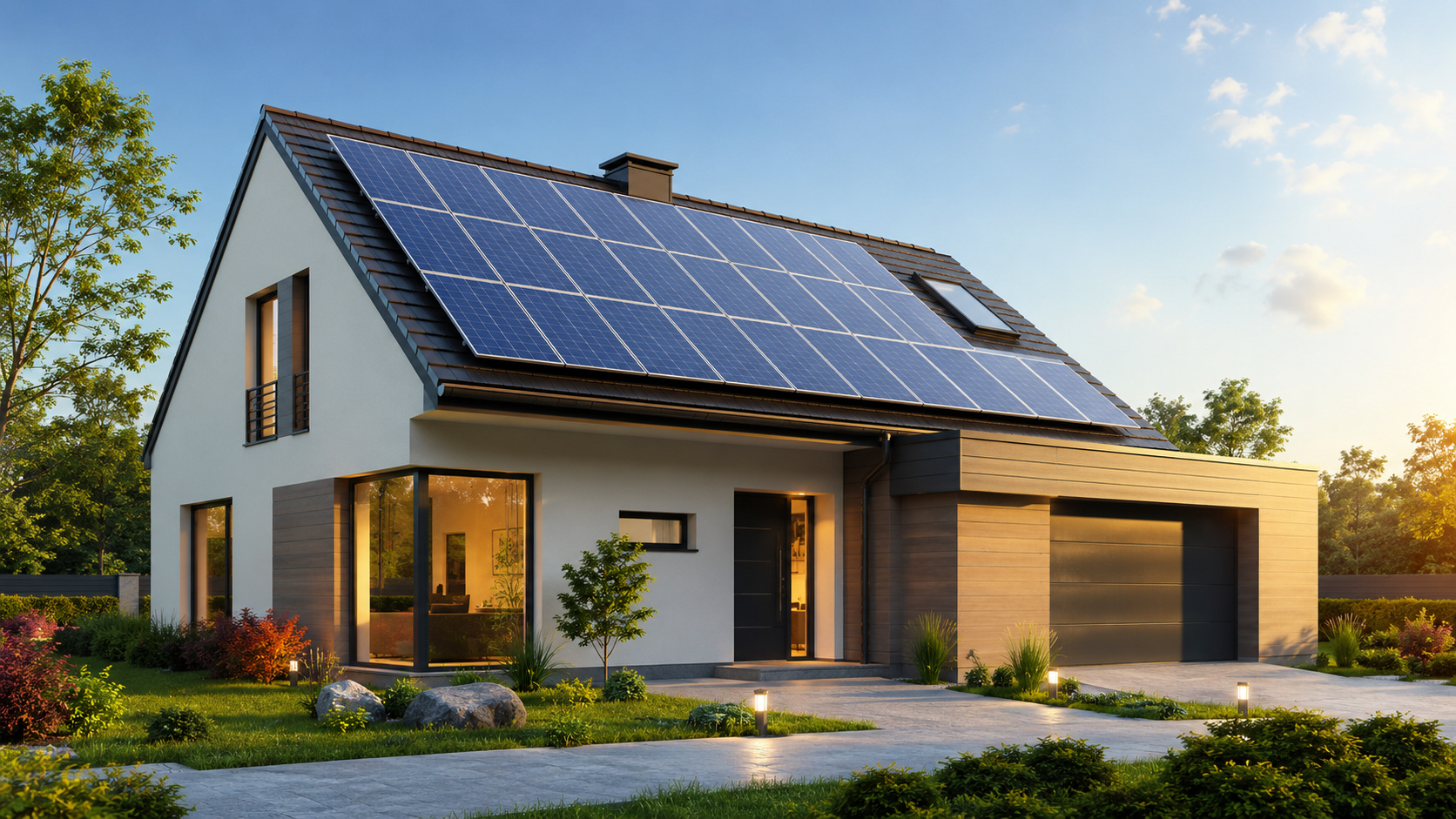
Solar energy can increase property value by up to 10% and become a selling point.

-
Solar and wind energy surpass natural gas for the first time in the world and accelerate energy revolution

-
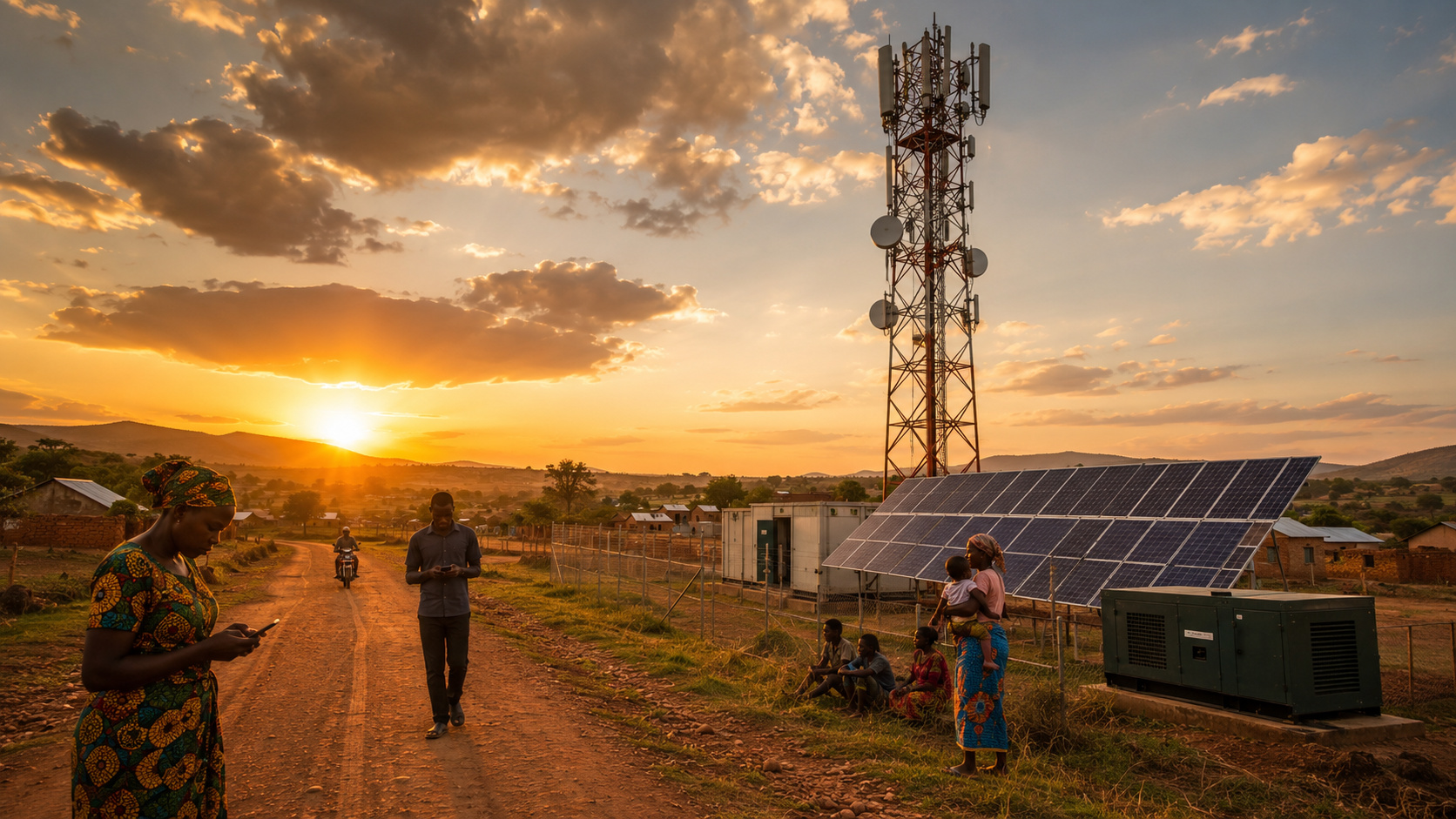
Africa has about 500,000 cell towers and most still burn diesel to operate, while companies rush to cover antennas with solar energy and avoid signal blackouts.
-
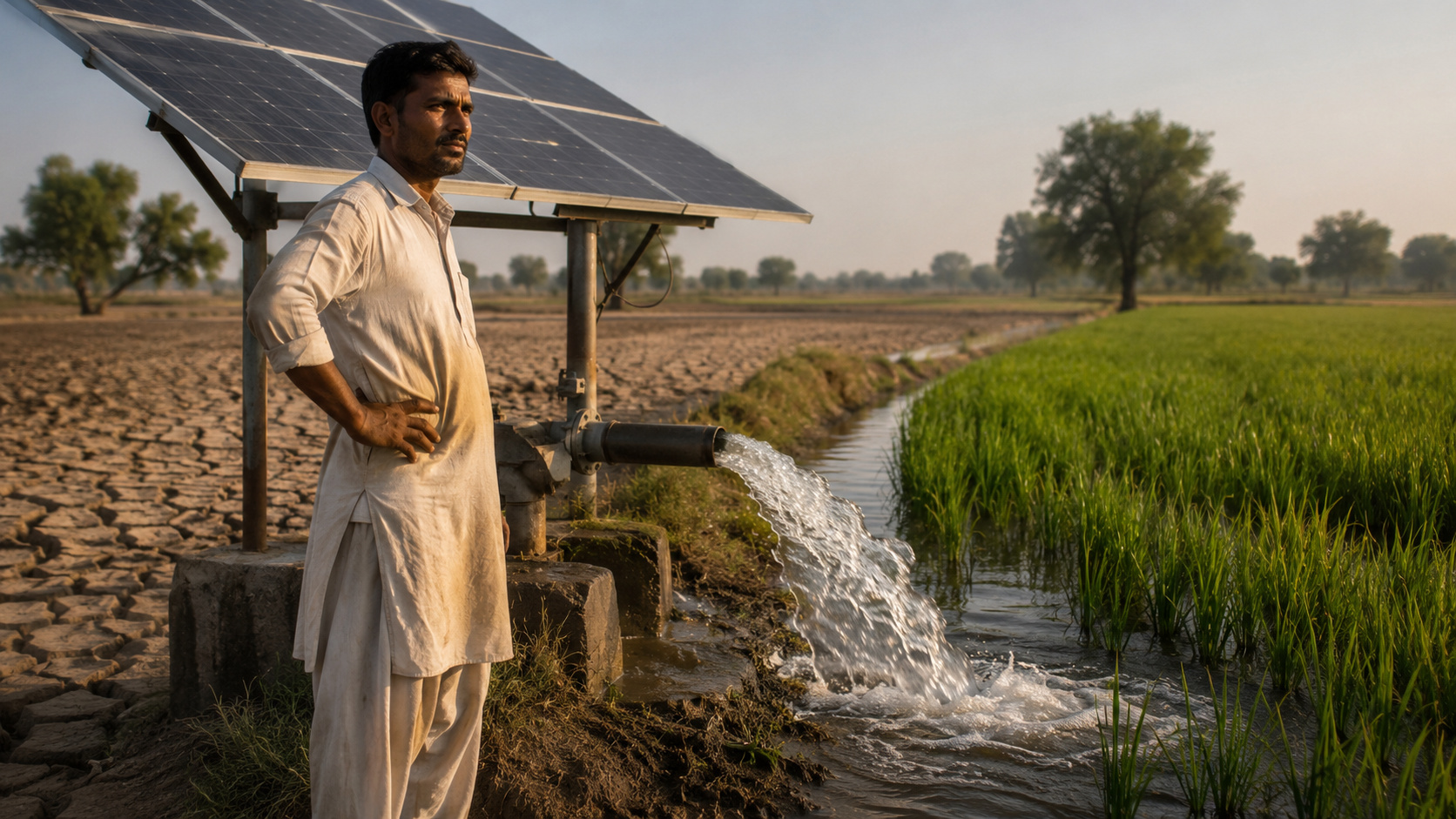
Farmers swapped diesel for solar panels in Pakistan, powered irrigation pumps almost cost-free, expanded rice fields, and now groundwater has become a red alert in the countryside.

Furthermore, mining is benefiting from technological advancements in energy storage. Cutting-edge battery technologies are allowing extractive operations to utilize solar energy captured during the day more effectively. By early 2026, project planners are focusing on implementing hybrid systems that combine solar energy with other renewable sources, increasing energy efficiency.
It is estimated that the increase in investments in solar energy will contribute not only to lowering costs but also to a greater commitment to ESG (environmental, social, and governance) practices. Studies from the International Renewable Energy Agency, conducted in 2023, suggest that countries strengthening their capabilities in photovoltaics see quick returns in terms of sustainability and innovation.
In conclusion, solar energy not only shapes the future of industries that traditionally rely on natural resources but also establishes a new standard for greener and more economical operations. As noted in reports from the National Energy Institute, the strategic adoption of renewable energies in mining means a lasting positive impact, consolidating an environmental responsibility that has long been necessary. With trends indicating continuous growth until 2025, it is clear that mining is at the forefront of the energy transition.
Decline in Solar Energy Costs in 2024
In Brazil, even with the rising prices of supplies, the cost of solar energy for residences saw a reduction of 3% during the fourth quarter of 2024. The price fell from R$ 2.53 to R$ 2.46 per Watt-peak (Wp) compared to the previous quarter. These data were extracted from Radar Solfácil, an indicator prepared quarterly by Solfácil, recognized as the largest solar energy ecosystem in Latin America. According to the research, the main reason for this reduction was the need for integrators to adapt to a market characterized by high competitiveness.
Challenges for Integrators and Solar Energy Consumers
The increase in prices of photovoltaic supplies led many companies to renegotiate prices with end consumers to remain attractive. Additionally, prolonged negotiations made it difficult for cost increases to be fully passed on to buyers. Thus, solar energy integrators are in a situation where keeping prices at a competitive level is vital to not losing market share. Fabio Carrara, CEO of Solfácil, highlights that this situation ultimately benefits consumers, who can access solar energy at more affordable prices, but affects the profitability of companies in the sector.
Trends and Challenges for 2025 in Solar Energy
Although there was a decrease in costs for consumers in the fourth quarter of 2024, the scenario looks different for 2025 due to possible tax changes that could raise the prices of supplies. This would inevitably have a direct impact on the final cost for those opting for solar energy installation. In the current survey, only projects of up to 4 kWp saw a slowdown in the price decrease, with a modest retraction of 2% compared to the immediately preceding period.
Regional Variation in Solar Energy Prices
In most states of the country, a reduction in solar energy prices was observed. Paraná and Tocantins stood out as leaders in cost reduction, with a significant drop of 7%. Close behind, Rio de Janeiro and Piauí noted reductions of 6%, while São Paulo, Acre, Mato Grosso do Sul, and Rio Grande do Sul recorded reductions of 5% each. On the other hand, states like Espírito Santo and Sergipe, both marking an increase of 2%, and Amapá with 1%, experienced rises in average prices.
Midwest: The Most Affordable Region
Among Brazilian regions, the Midwest remains the most economical for solar energy, registering an average cost of R$ 2.36 per watt-peak (Wp), after decreasing 2% compared to the previous quarter. The next in line includes the South at R$ 2.44 (Wp), which saw a decline of 4%. The Southeast reached R$ 2.48 (Wp), above the national average, even with a 3% reduction. The Northeast recorded R$ 2.45 (Wp), also with a drop of 2%. Meanwhile, the North region ranked as the most expensive for solar projects, despite registering a 4% decrease in the period, remaining at R$ 2.60 (Wp).
Source: Press SOLFACIL




❤️Aqui você pode tirar a roupa da garota e vê-la nua) Confira ➤ Ja.cat/gosea