Portuguese
  Spanish





Company Expands Credit for Solar Energy, Strengthens Financial Structure, and Invests in Energy Storage and Artificial Intelligence as Next Growth Drivers
Firstly, Solfácil reached the milestone of 200 thousand financed clients and, at the same time, ended 2025 with over R$ 1 billion in credit granted for solar energy projects.
Moreover, according to data released by the company itself in 2025, this was the largest annual financing volume in the company’s history, founded in 2018.
Since then, the fintech has granted over R$ 5 billion in credit for solar energy.
-
Island in Brazil Innovates by Installing 184 Solar Panels on Urban Lagoon to Generate Clean Energy

-
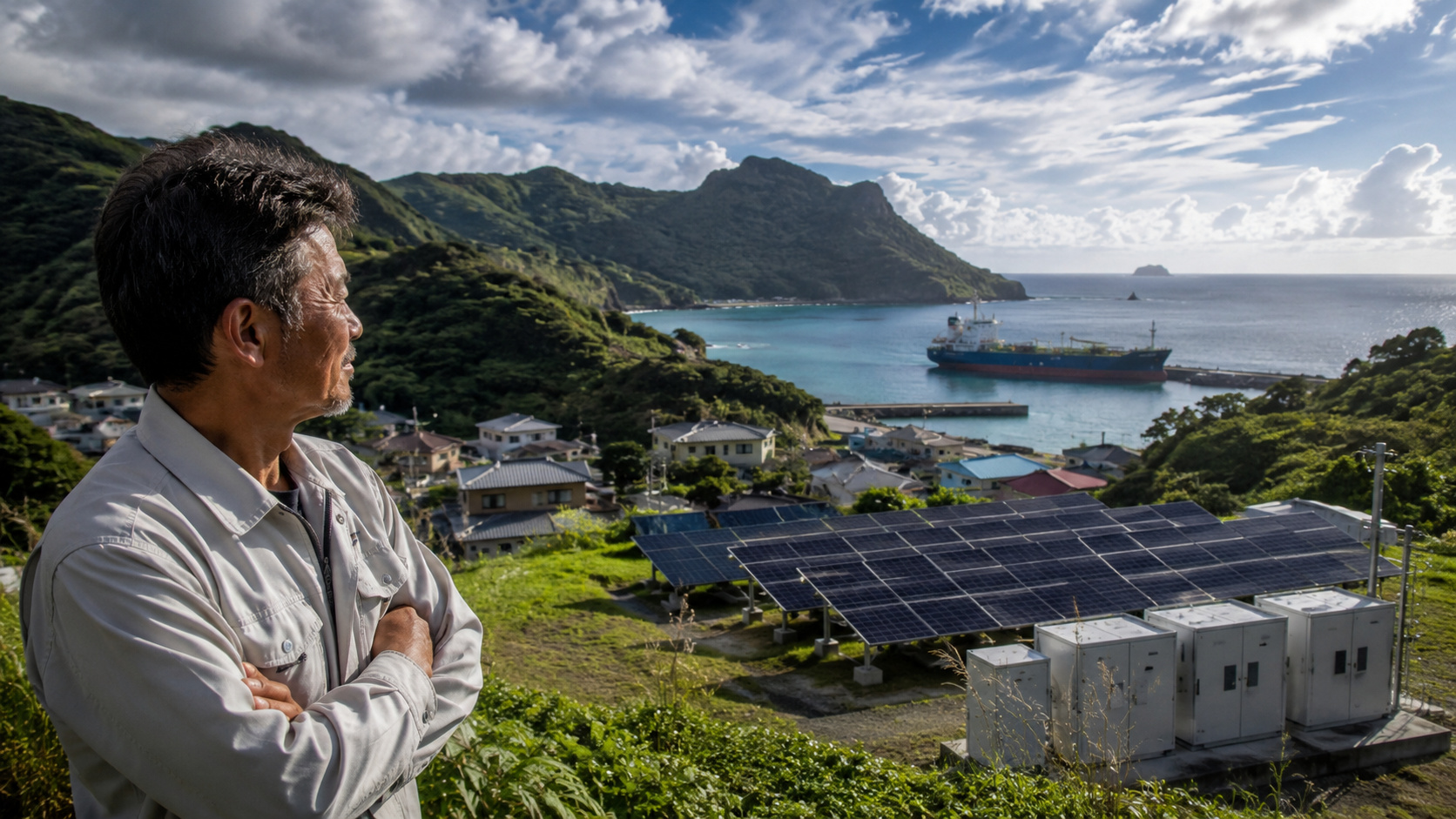
Japanese Island of 417 Residents to Test Living Half the Year Solely on Solar Power, Reducing Dependence on Diesel Brought by Ship
-
Brazilian Fishermen Use Solar Power to Produce Nearly One Ton of Ice Daily, Preventing Fish Spoilage Before Reaching Market
-
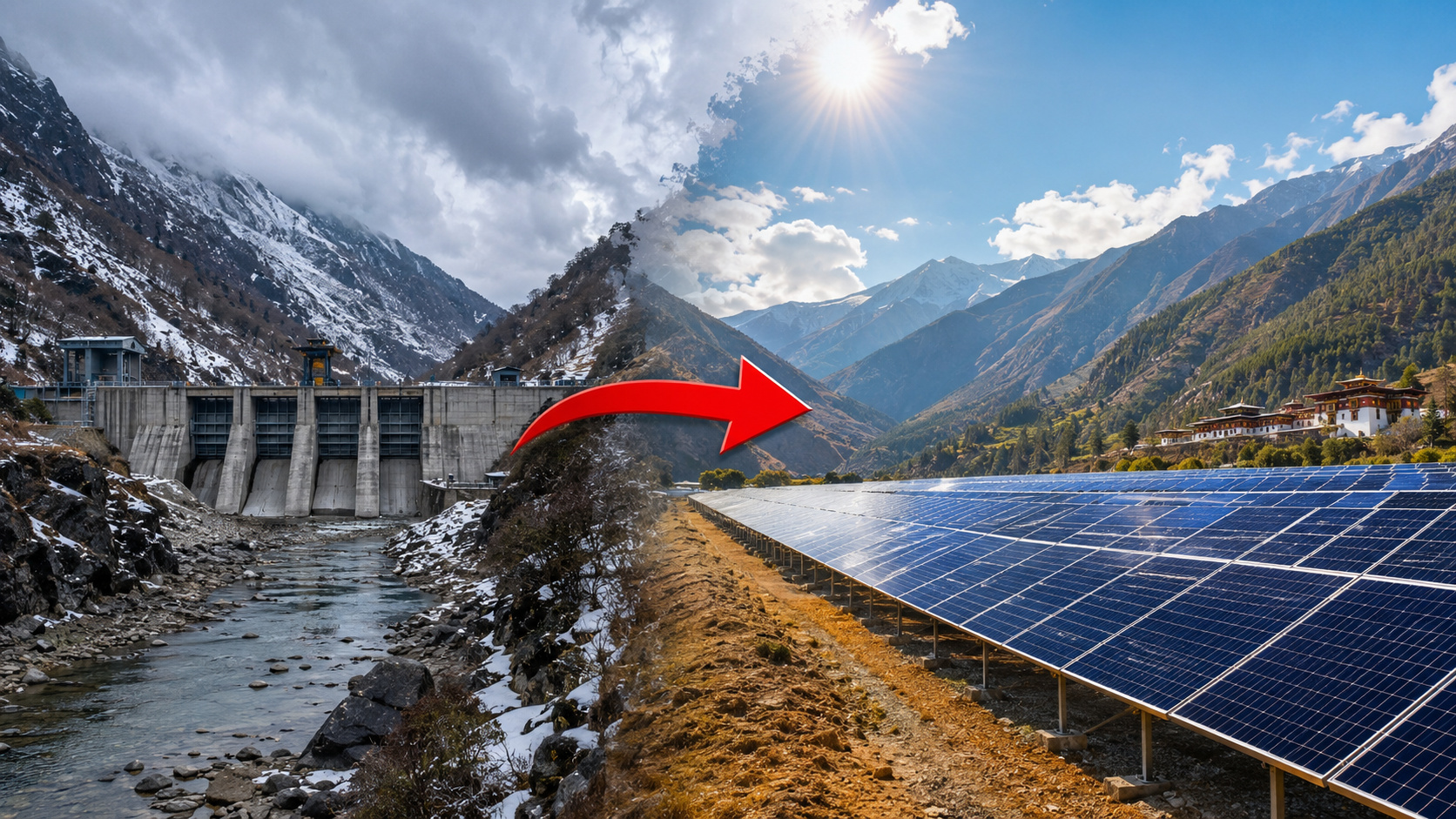
Brazil, known for its river-powered energy, installs solar plant in mountains to boost winter electricity production


At the same time, it also sold nearly R$ 2 billion in photovoltaic equipment, which, consequently, led the company’s ecosystem to mobilize over R$ 6 billion in the distributed generation sector.
Growth Occurs Even with Regulatory Scenario and High Interest Rates
Despite this, 2025 was considered a challenging year for the Brazilian solar market.
On one hand, high interest rates pressured credit.
On the other hand, regulatory changes in the solar energy sector also influenced the pace of expansion of distributed generation.
Still, as reported by the company when disclosing its results, Solfácil expanded its portfolio while maintaining credit discipline and financial quality.
Additionally, the second half of 2025 showed accelerated growth, reinforcing the company’s operational recovery.
According to Guillaume Tiret, co-founder and CFO of the company, the strategy combined operational efficiency and risk management.
“Even with the more challenging market, we managed to grow with credit discipline and operational efficiency,” said the executive.
Product Diversification Drives Expansion
At the same time, the company also sought to strengthen its commercial performance.
To this end, it expanded the diversification of products and brands available on its platform.
Among them are Huawei, Solis, Sofar, and Unipower, relevant manufacturers in the photovoltaic sector.
Furthermore, the company also recorded significant gains in logistical efficiency.
Consequently, this advance contributed to a healthy growth of the fintech’s credit portfolio.
Simultaneously, the company also began investing in proprietary technology.
Among the initiatives are Solfácil Smart Pro and Solfácil Smart Home, platforms for monitoring solar projects.
Central Bank License Changes Funding Strategy
Moreover, the company is preparing a new phase of institutional expansion.
This happens because the license to operate as an authorized Financial Institution by the Central Bank changes the company’s funding model.
With this authorization, Solfácil will be able to issue CDBs directly to investors, reducing reliance on more complex financial structures.
Consequently, the cost of raising funds may decrease over time.
For 2026, the company’s financial plan includes new issuances of sustainable instruments.
Among the announced goals are:
• Raising at least R$ 500 million in green CDBs
• Issuing over R$ 1 billion in green CRIs
Combined, these operations could result in up to R$ 1.5 billion raised throughout the year, depending on market conditions.
Energy Storage Emerges as a New Strategic Vector
Meanwhile, another relevant movement is taking place in the global solar market.
This is because the drop in battery prices and regulatory changes have increased demand for energy storage solutions.
In light of this scenario, Solfácil decided to integrate financing and distribution of storage equipment into its platform.
The company began this movement in 2024, with a pilot project in the battery segment.
At that time, the initial stock was quickly depleted, indicating strong market demand.
Subsequently, in March 2025, the company started scale operations in this segment, with an investment exceeding US$ 1 million.
Since then, sales have been recurring, showing steady growth throughout the year.
According to Eduardo Neubern, COO of Solfácil, storage is likely to gain prominence in the sector.
“The trend is for storage to become a central part of distributed generation in the coming years, and we are prepared for that,” said the executive.