






 Portuguese
  Spanish


Bottlenecks in electrical grids raise frequency above 60.5 Hz, cause automatic shutdowns even with high renewable generation, and increase the risk of cascading blackouts that can affect entire cities
The growth of solar and wind energy is pressing a critical point in the electrical system that few people notice. Old grids do not keep pace with generation and can collapse, creating a real risk of cascading blackouts.
This scenario is concerning because it doesn’t just involve power shortages. The impact can affect industries, hospitals, and essential services, in addition to generating billions in losses and hindering the advancement of large-scale clean energy.
Bottlenecks in transmission lines impede the correct flow of energy
The problem begins in the transmission lines, which carry energy from power plants to cities. Many of these structures are old and not prepared to handle the rapid growth of renewable sources.
-
In the Caucasus Mountains, a Community Preserves a Language So Rare Few Outsiders Can Understand It

-
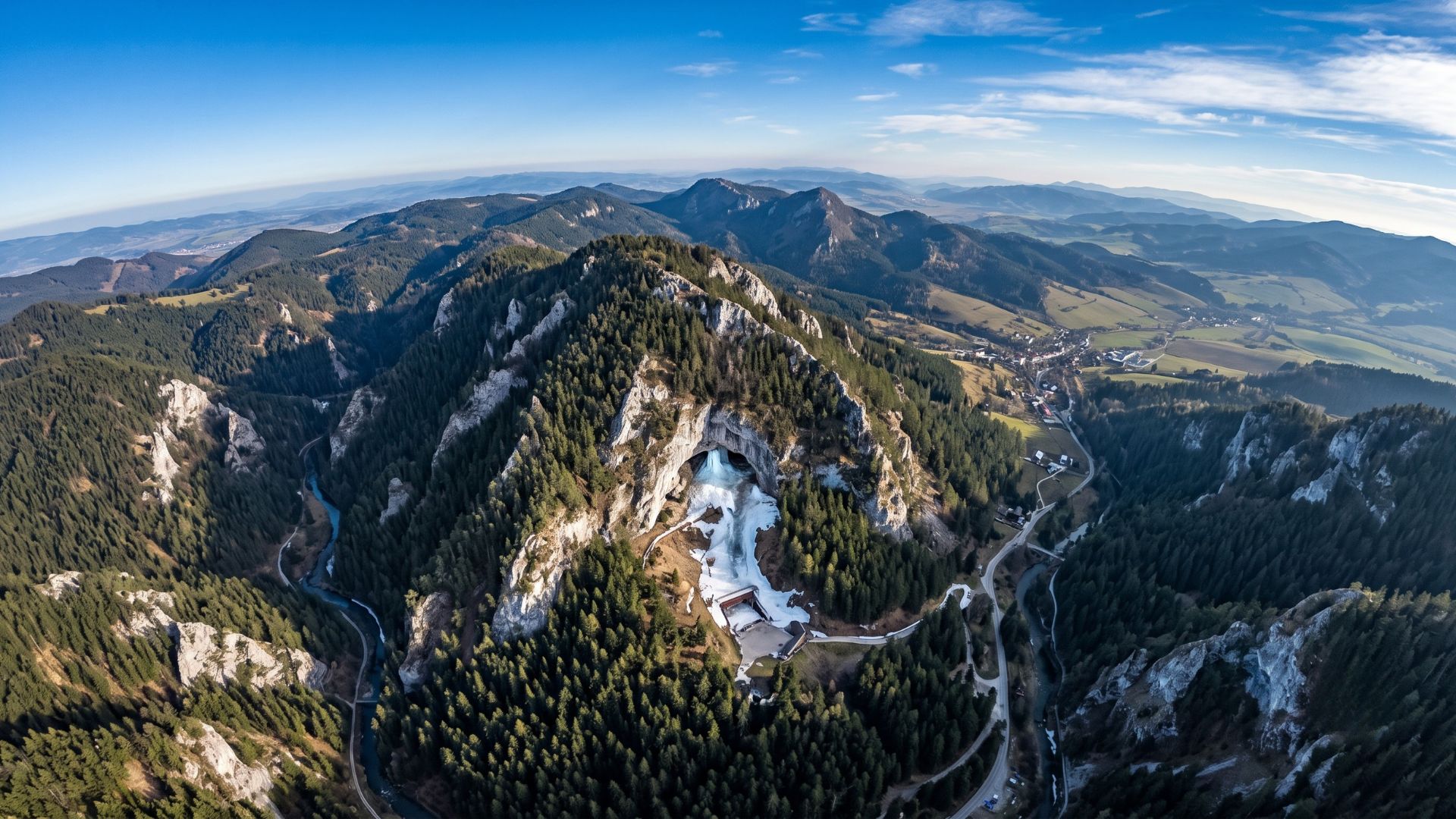
Slovakia’s Ice Cave Holds Over 110,000 m³ of Frozen Wonders, Boasts Walls Up to 27 Meters Thick, and Was Among the First Electrified Caves Globally

-
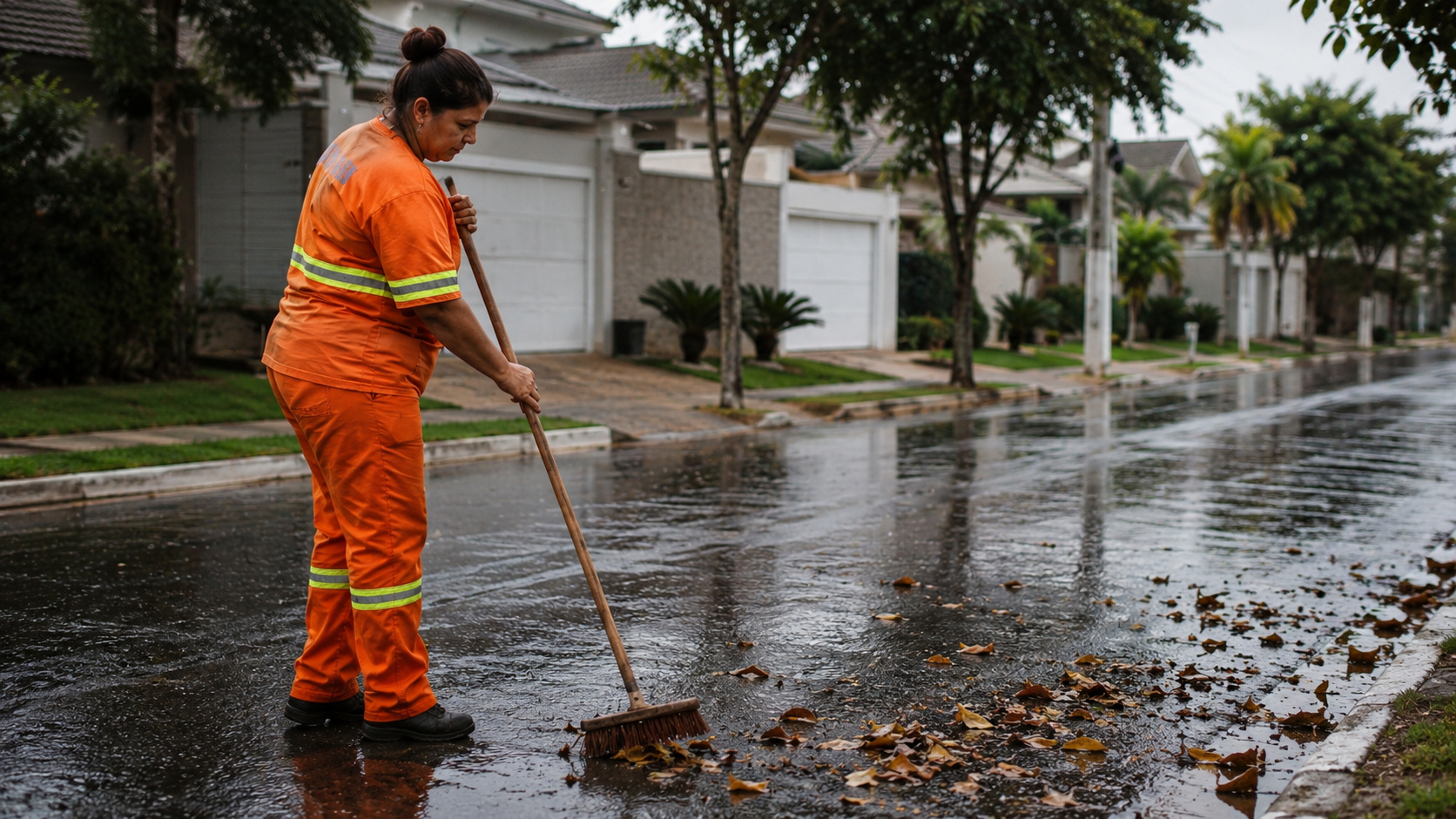
Street Cleaner Accidentally Receives $200,000 Transfer, Returns Unexpected Fortune to Rightful Owner
-
Australian Space Agency Investigates Six Mysterious Metal Spheres Found on Queensland Beach, Isolating Area Over Possible Space Debris Risk



When there is excess energy circulating, bottlenecks arise that prevent efficient distribution. This creates instability and increases pressure on the electrical system.
The information was released by Jornal da USP, a news portal of a Brazilian public university, which detailed how these physical limits already affect the network’s operation.
Frequency above 60.5 Hz causes automatic power plant shutdowns
The electrical system needs to maintain a stable standard to function correctly. When the frequency exceeds 60.5 Hz, protection mechanisms activate to prevent greater damage.
At this point, automatic power plant shutdowns occur, even when there is surplus energy. This shows that producing more does not solve the problem if the grid cannot absorb the generated volume.
This type of instability becomes more common with the increasing participation of renewable sources.


Excess renewable energy can become an unexpected problem
Solar and wind generation is growing rapidly and brings important benefits, but it also increases the system’s complexity. During periods of high production, energy overproduction can occur.
Without adequate distribution capacity, this excess pressures the grid and forces control measures. The result can be the shutdown of part of the generation, even with available energy.
This scenario reveals an important challenge for the future of the energy matrix.
Old electrical grids do not keep pace with the new energy reality
Much of the electrical infrastructure was built in a different context, with more predictable generation. Today, the reality has changed and requires more modern and flexible grids.
Without updates, the risk of supply failures and constant instability increases. This creates a direct obstacle to the expansion of renewable energies.
The topic involves investment, planning, and technological adaptation to ensure system security.
Cascading blackouts can affect entire regions in minutes
One of the biggest risks is the so-called cascading blackout, when an initial failure causes a sequence of shutdowns in the system.
This effect can spread rapidly and affect large areas, causing interruptions in essential services and severe economic impacts.
The investigation was published by Jornal da USP, a news portal of a Brazilian public university, which highlighted the potential of these events to compromise entire cities.
Impacts go beyond energy and affect economy and essential services
Electrical instability directly affects the daily lives of the population. Industries can shut down, hospitals can face difficulties, and cities can be without power for long periods.
Furthermore, financial losses may increase, hindering investments and delaying the modernization of the sector.
The challenge is to ensure that the expansion of clean energy happens on a solid and secure foundation.

Modernizing electrical grids becomes essential to avoid crises
The solution involves modernizing grids and expanding transmission capacity. Without this, the growth of renewables will continue to pressure the system.
Investing in technology and infrastructure is fundamental to balancing generation and consumption, reducing the risks of failures and blackouts.
The stability of the electrical system depends on keeping pace with the energy transition.
The advance of renewable energies is inevitable, but it requires preparation to prevent a benefit from turning into a problem.
And you, do you believe Brazil is prepared to avoid blackouts with the advance of solar and wind energy, or could this risk soon become a reality?


