Portuguese
  Spanish




Experts Point Out That SpaceX’s Satellite Internet Installation in Buildings Faces Technical Barriers and May Not Be as Efficient as Fiber Optics
Starlink, SpaceX’s satellite internet service founded by Elon Musk in 2002, has been widely adopted in remote areas due to its ability to provide high-speed connectivity without the need for terrestrial infrastructure. However, residents of urban areas, especially in buildings, face technical difficulties that may compromise the service’s performance. According to Richard Bennett, a network engineer and co-founder of Wi-Fi, the main issue lies in the need for an unobstructed view of the sky to capture the signal from the satellites.
Main Challenges of Starlink in Buildings
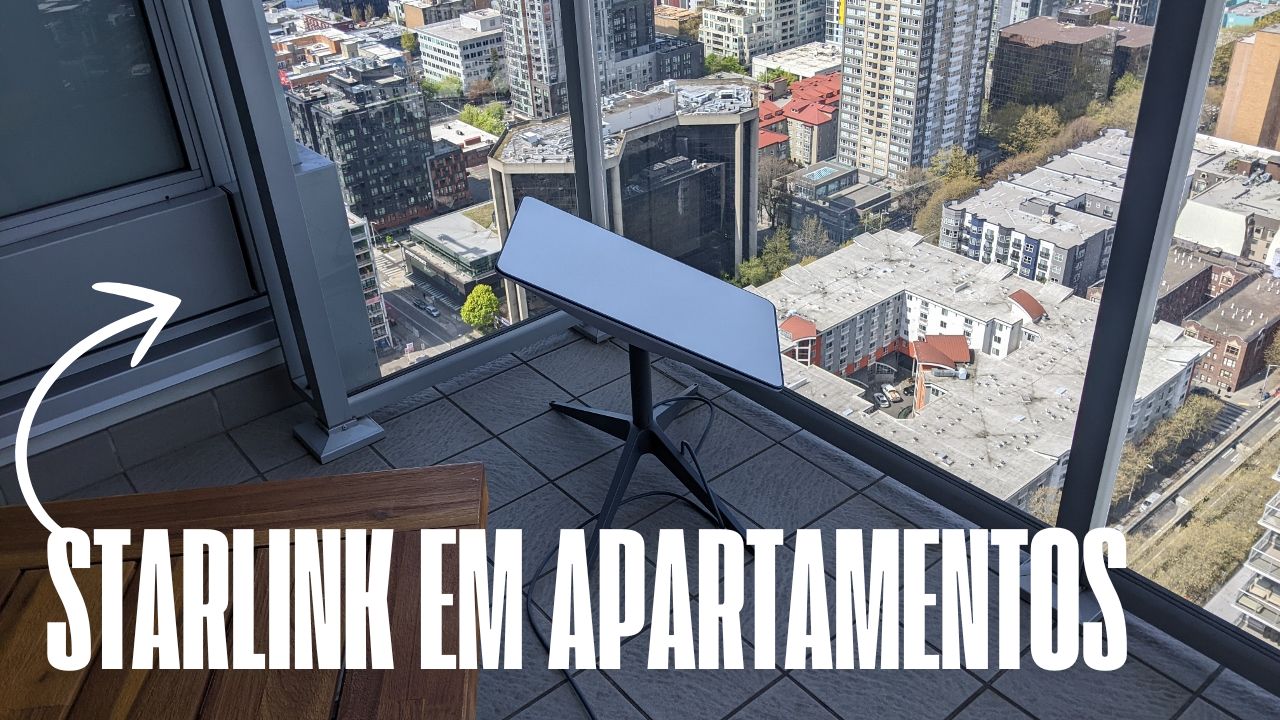
Telecommunications experts from the Massachusetts Institute of Technology (MIT) explain that Starlink depends on a satellite dish that requires a wide and unobstructed field of view to operate efficiently. In buildings, the installation faces issues such as:
- Signal blockage by nearby structures, reducing connection quality;
- Difficulties in mounting the dish, as balconies and windows do not always provide adequate space;
- Restrictions in condominiums that often prevent the installation of equipment on building facades.
According to a report published in February 2024 by the National Telecommunications Association (NCTA), residents of apartments who tried to use Starlink reported frequent connection drops and variations in speed, especially in areas with significant urban interference.
-
Toll Fees in São Paulo’s Countryside Drop by Up to 50% Starting Today

-
Petrobras Invests $2.3 Billion in Brazilian Coastal Shipyards, Creating Over 5,000 Jobs and Revitalizing the Naval Industry

-
$2.5 Billion Amazon Potash Mine Aims to Reduce Brazil’s 95% Import Dependency

-
Grendene’s Sales Decline in 2025, but Melissa Brand Surges 36% and Becomes Key Focus


Alternatives and Possible Solutions
Despite the difficulties, some users have managed to adapt the service with alternative strategies. Technicians from SpaceX suggest that the best way to make Starlink feasible in buildings is to install the dish on rooftops or terraces with the condominium’s permission. Another solution found was using window mounts that allow tilting the dish to avoid signal blockages.
Even so, John Cioffi, a network specialist and professor at Stanford University, warns that in densely populated areas, fiber optics remains the better option. With greater stability and lower costs, this technology continues to be the predominant choice in major urban centers.
Is Starlink Worth It in Cities?
Starlink was designed to solve connectivity issues in areas without access to conventional networks, such as rural and remote areas. According to a study published in December 2023 by the U.S. Federal Communications Commission (FCC), in cities where fiber optics are available, investing in Starlink may not be worth it, as the service is more expensive and may have performance limitations amid large structures.
Nevertheless, SpaceX continues to expand its infrastructure and is already working on new second-generation satellites to be launched in January 2025, featuring enhanced capabilities to mitigate urban interference. The expectation is that future versions of the service will better meet the demand of those living in buildings.