Portuguese
  Spanish


One of the largest footwear manufacturers in the world switched from a volume strategy to a value strategy, and the explosion of its most iconic brand shows that the plan is working
Grendene, a Brazilian giant owner of brands like Melissa and Ipanema, experienced in 2025 a year that seems contradictory but tells a clear story. The company sold fewer pairs of shoes, yet maintained its revenue because it focused on selling more expensive and desirable products, with Melissa leading the way.
The company has the capacity to produce 250 million pairs per year but chose to change course: instead of flooding the market with cheap footwear, it started focusing on value and brand. The result is Melissa, its jewel, growing by nearly 37% while the total volume declined, a clear message of the path the company decided to take.
Grendene and the 123.9 million pairs of 2025
The production number shows the size of the operation and the drop in volume. According to Diário do Nordeste, the company sold 123.9 million pairs in 2025, a decrease of 11.1% compared to the previous year, well below the installed capacity of 250 million.
-
World’s Largest Single-Line Pulp Mill Opens in Brazil, Costing $4.3 Billion

-
Pix Processed $35 Trillion in 2025, Becoming Brazil’s Leading Payment Method

-
Nubank Reaches 131 Million Customers and Reports Record Profit of $2.87 Billion in 2025
-
Brazil Holds 95% of the World’s Niobium and Exported $2.1 Billion Worth in 2024


At first glance, selling less seems like bad news. But that was precisely the strategy, to give up part of the low-value volume to gain in profitability. Exchanging quantity for quality is a risky bet because revenue depends on the price rising more than the volume falls, and it was exactly this balance that Grendene pursued.
The Melissa that soared 36.7%
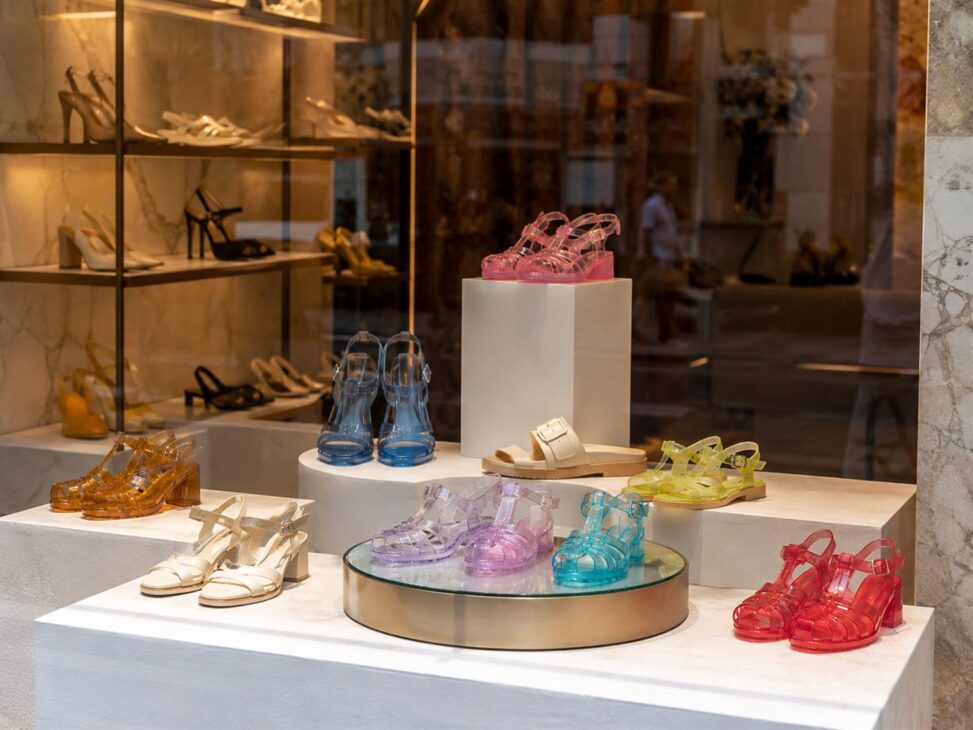
The big victory of the year has a proper name. According to O Povo newspaper, the Melissa brand recorded a growth of 36.7% in gross revenue in 2025, driven by the rise in average price and an increasingly global and premium positioning.
Melissa is no longer just a plastic sandal; it has become a fashion item, sold at designer prices and coveted worldwide. This success is the model the company wants to replicate. When a single brand grows almost 37% in a year of overall decline, it becomes the company’s treasure map, and Grendene knows this very well.
Fewer pairs, but higher average price
The secret of the account lies in the value of each pair. According to Diário do Nordeste, even with the drop in volume, the company increased the average price by 18.3% in the accumulated of 2025, which helped sustain revenue despite selling fewer shoes.
This movement is the heart of the strategy shift. Instead of competing in the low-price battle, where the margin is minimal, the company has moved up a level. Selling the more expensive pair is what allows for good revenue even while producing less, and this value-over-volume logic is the same that sustains luxury brands worldwide.
The bet: replicate Melissa with Ipanema and Rider
Convinced by the success, the company wants to clone the formula. According to O Povo, the financial director Alceu Albuquerque stated that the company is considering strengthening investments in marketing, especially for the Ipanema and Rider brands, aiming to replicate with them what worked with Melissa.
The idea is to transform more brands into objects of desire, not just functional footwear. If successful, Grendene multiplies the Melissa effect across the entire portfolio. Taking the recipe that worked for one brand and applying it to others is the most logical move for someone who has discovered a gold mine, and this is exactly the plan outlined for the coming years.
The exports that grew 40%
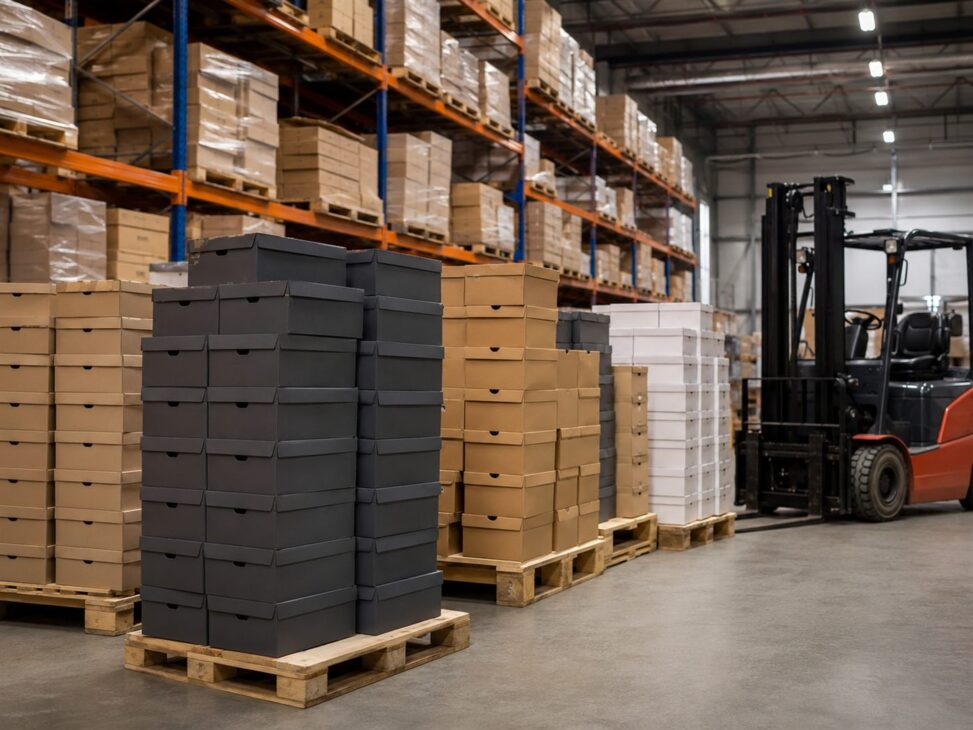
The external market was another positive highlight. According to O Povo, Grendene’s exports totaled R$ 817 million in 2025, a jump of 40.4%, with Latin America accounting for more than 60% of the total and the exported volume reaching 26.3 million pairs.
Growing 40% in foreign sales in a year of internal decline shows the brand’s strength abroad. Brazilian footwear, light and colorful, appeals to warm climates worldwide. When the internal market slows down, exports become the breath that keeps the factory running, and it was this external boost that helped the company end the year on its feet.
The heart of production in Sobral
The industrial strength of the company is in the Northeast. According to Diário do Nordeste, Grendene’s headquarters is located in Sobral, Ceará, and the city concentrates about 80% of the company’s production capacity, employing approximately 16,000 people.
Having an industry of this size in the interior of Ceará is a rare and valuable case of regional development. The factory is the economic engine of an entire region. A footwear giant established in the hinterland generates thousands of jobs where opportunities are usually scarce, making Grendene much more than just a company for the economy of Ceará.
A portfolio of eight brands for every budget
The company doesn’t rely solely on Melissa. The group includes brands like Grendha, Zaxy, Rider, Cartago, Ipanema, Pega Forte, and Grendene Kids, covering everything from popular sandals to sports and children’s footwear, across different price ranges.
This variety allows them to cater to different audiences and spread the risk across various products. If one brand cools down, another heats up. Having a broad portfolio is what gives the company the flexibility to make a mistake with one bet and succeed with another, and it’s this brand portfolio that will now be worked on to generate new Melissas.
Why the strategy shift matters
The year 2025 could be remembered as the moment when Grendene chose to stop being just the factory of cheap shoes and become a house of valued brands. The drop in volume is alarming in the short term, but the price increase and the Melissa boom suggest that the direction makes sense.
The question that remains is whether the company will be able to transform Ipanema and the others into successes as big as Melissa, or if it will forever depend on a single star. Did you imagine that the plastic sandal many people had in childhood turned into a fashion item sold at designer prices worldwide?