





 Portuguese
  English
  Spanish
 3 min of reading
  0 comments


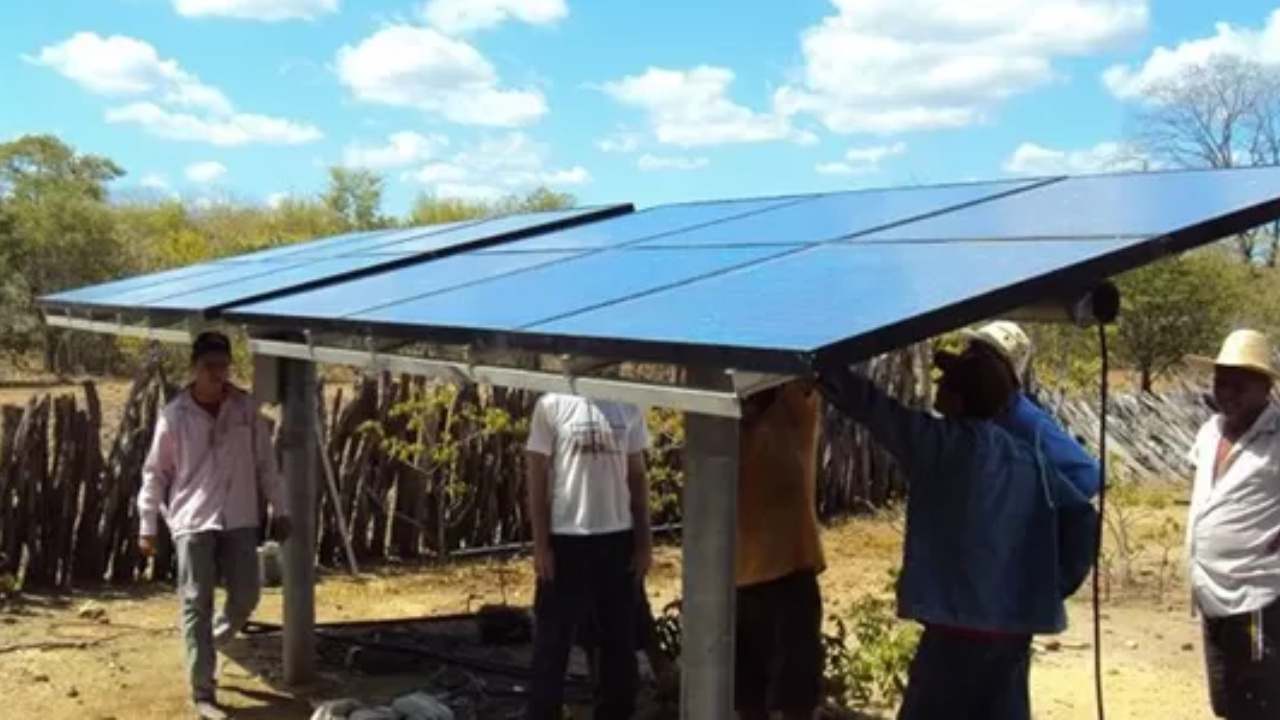
Solar Energy in Piauí Becomes the Center of a Judicial and Political Dispute After the STF Allowed the Collection of ICMS on the Excess Production of Consumers.
Solar energy, which was seen as a relief for consumers in Piauí, has sparked outrage and political debate.
A recent decision by the Supreme Federal Court reignited the collection of ICMS on excess energy produced by those who invested in solar panels in the state.
The change prompted an immediate reaction from opposition leaders, who accused the government of increasing taxes at a delicate moment for the economy.
-
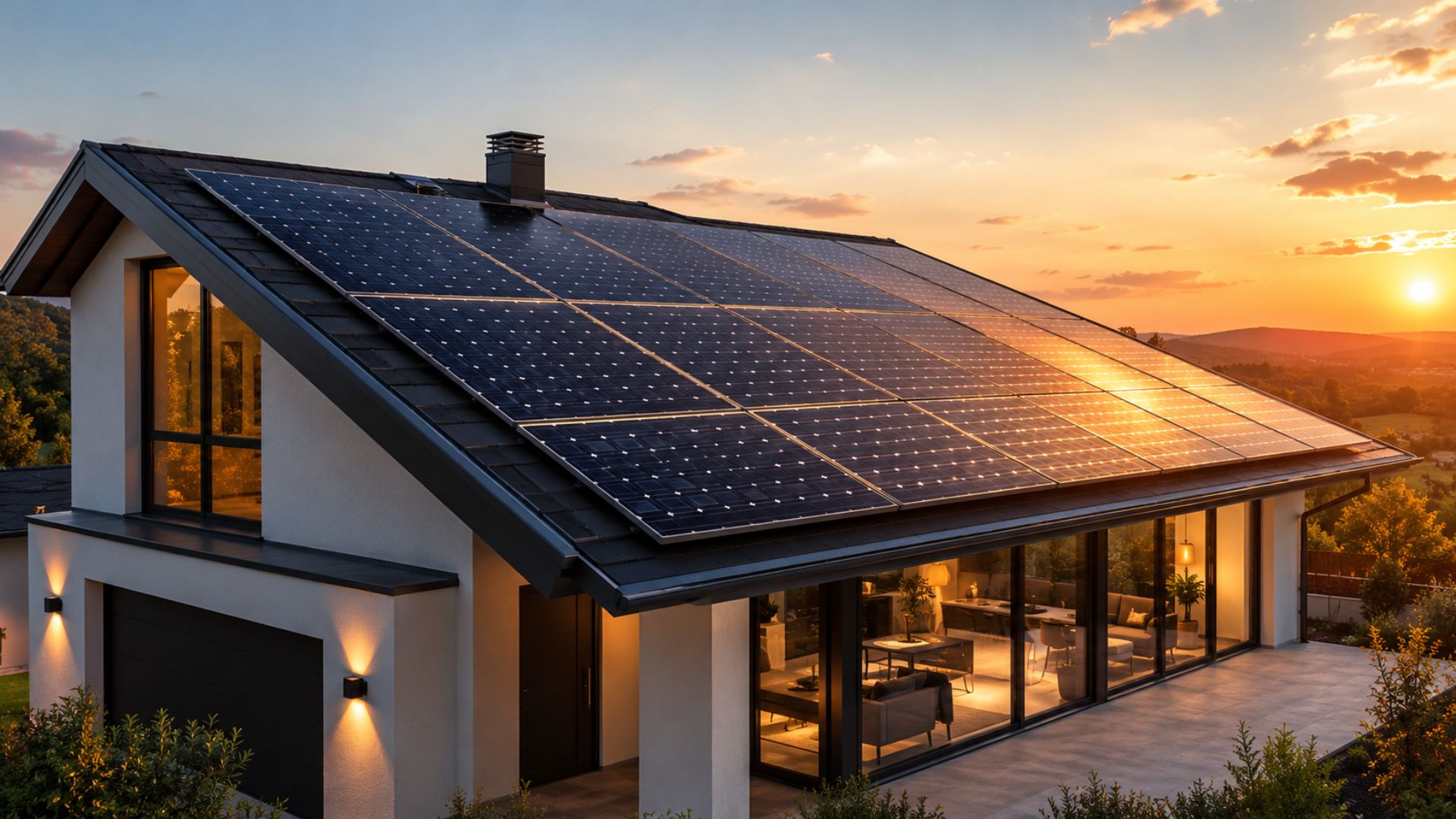
The era of solar panels attached to roofs is beginning to change with transparent glass that generates energy while keeping the view unobstructed, and perovskite photovoltaic windows already tested in offices in Japan promise to transform entire facades into invisible power plants without blocking light or altering the appearance of buildings.

-
The era of silicon alone in solar energy comes to an end with the arrival of perovskite, a material that captures a broader light spectrum, is applied as a thin film, and, together with silicon, reaches a theoretical limit of 45% efficiency in tandem modules.

-
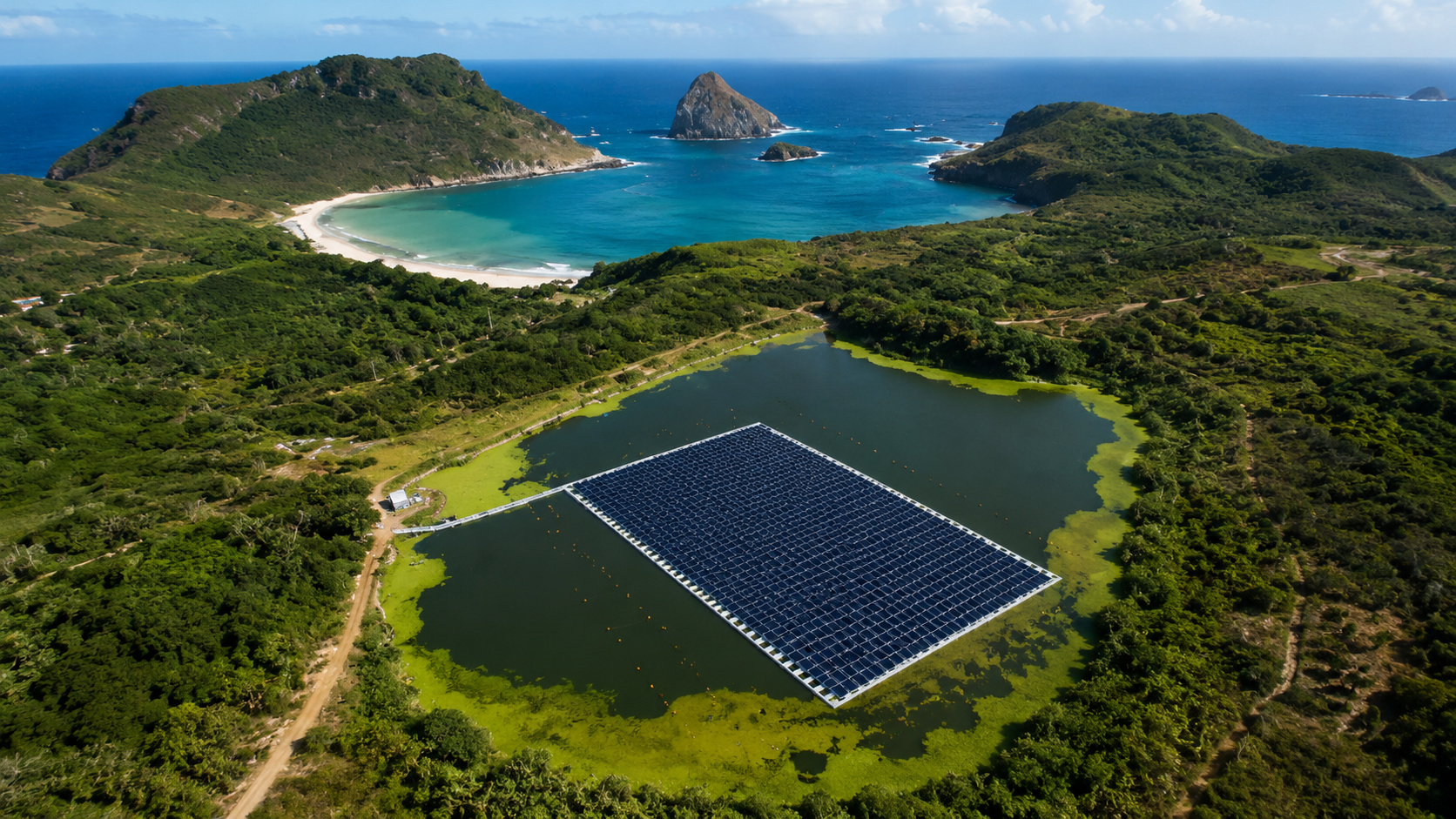
Fernando de Noronha begins unprecedented energy transformation with a R$ 350 million solar plant that promises to replace diesel generation and change the island’s sustainable future by 2027.
-
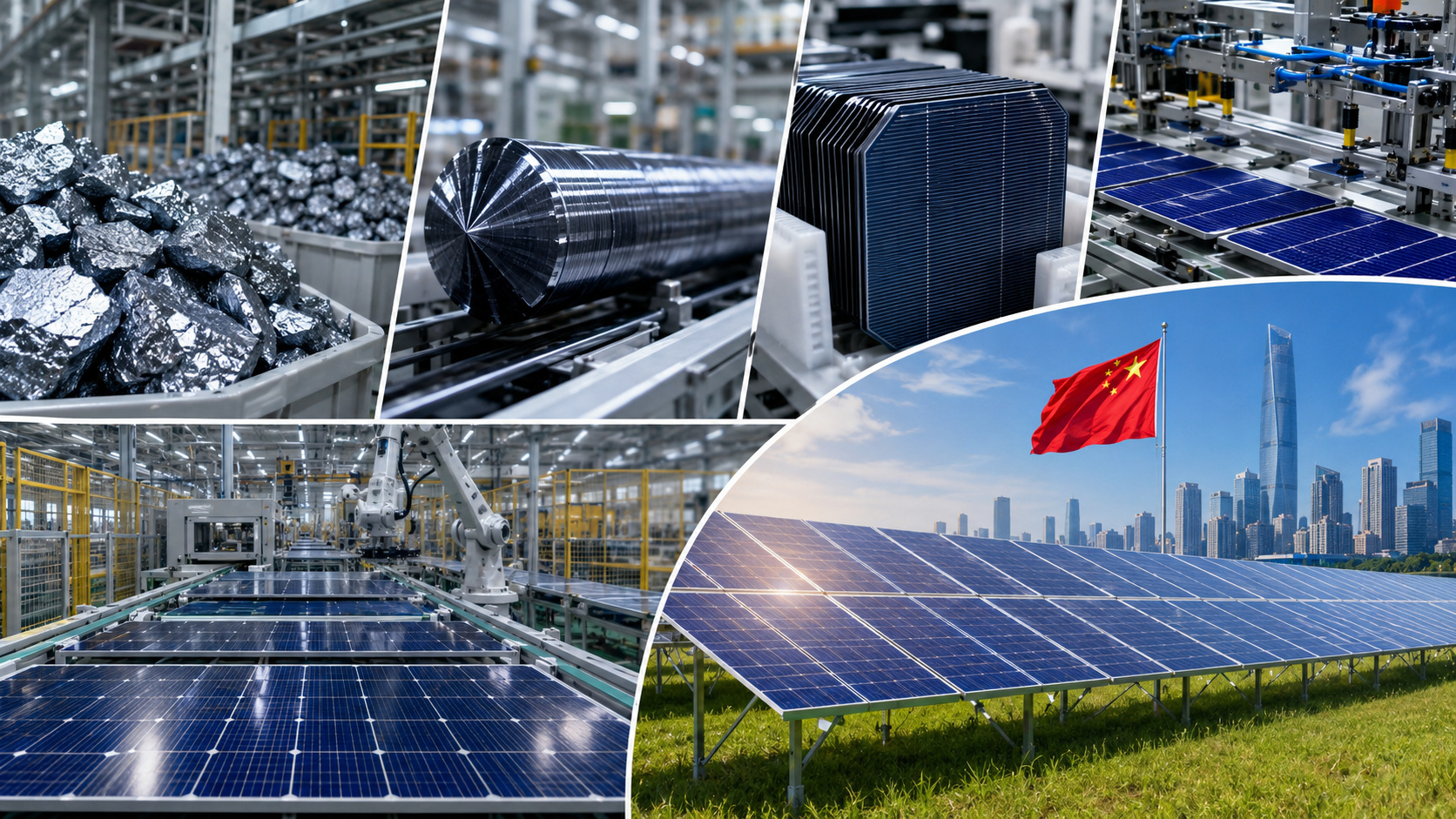
While Europe and the United States rush to save their own solar chains, China already dominates more than 80% of the global manufacturing of solar panels and has turned the sun into an industrial machine controlled by Beijing that is redefining the global energy transition.

STF Overturns Injunction and Allows Collection on Solar Energy
The controversy began when the STF suspended an injunction that exempted consumers of solar energy in Piauí from taxes.
The decision was made by Minister Alexandre de Moraes, who granted a request from the State Government.

As a result, the collection of ICMS has resumed on the excess energy generated by photovoltaic systems installed in homes and businesses.
Prior to this, in October 2025, the Court of Justice of Piauí had deemed the tax collection unconstitutional
This legal victory was achieved by the Progressistas party, which had filed the lawsuit against the state government.
However, the landscape changed completely with the Supreme Court’s decision, reigniting the dispute and placing solar energy at the center of a legal and political clash.
Joel Rodrigues Attacks Government and Comments on the Burden on Citizens’ Wallets
In light of the turnaround, the state president of the Progressistas, Joel Rodrigues, took to social media on Thursday evening, the 5th, to harshly criticize the government. In the released video, he directly pointed to Governor Rafael Fonteles as responsible for the return of the tax.
“Governor Rafael Fonteles insists that the people of Piauí really need to pay this tax and has managed to overturn the decision”, stated Joel Rodrigues.
Additionally, the leader stated that the decision discourages the use of solar energy and punishes those who tried to reduce their electricity bills by investing in clean technology.
He also described the current tax policy as excessive, saying it is “unthinkable” to increase the tax burden in a time of economic difficulties.
Dispute Exposes Political Clash in the State
While the government celebrates the resumption of tax collection, the opposition promises to maintain the fight.
Joel Rodrigues stated that the main process is still ongoing and that he believes that, in the end, justice will favor consumers.
The controversy has heightened political polarization in Piauí, with solar energy becoming a symbol of the conflict between revenue collection and the encouragement of clean energy generation.
This clash is also starting to cast reflections for 2026, an election year, as the issue of taxes has become one of the main points of contention for the state government.
Thus, what began as a technical discussion about ICMS has turned into a public battle involving electricity bills, investment in solar energy, and the political future of the state.
With the return of the tax on solar energy, do you think that citizens will feel discouraged from investing in solar panels? Who loses and who wins with this STF move?





Be the first to react!