






 Portuguese
  Spanish
  2 min of reading


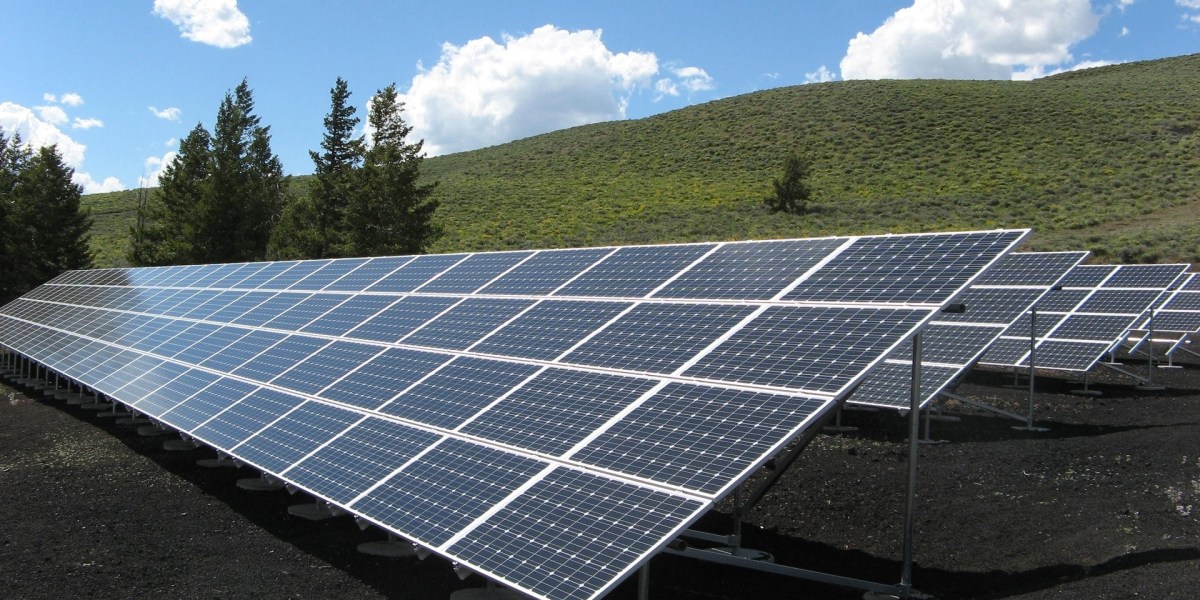
The Bill Estimates Cost of 120B Until 2030, with Subsidies Granted to Beneficiaries of Distributed Photovoltaic Solar Energy
By the year 2030, it is estimated that the cost of subsidies for beneficiaries of distributed photovoltaic solar energy will reach 120 billion reais, in systems connected to rooftops and exterior walls of buildings. The data was released by Abradee – Brazilian Association of Electric Energy Distributors.
- With 27 Contracts Billed by Petrobras in Offshore Platforms, Engeman Macaé Calls for Job Openings in Various Positions
- After Ford’s Exit from the Country, Multinationals Honda and Chevrolet Halt Vehicle Production in Brazil and the Automotive Industry May Collapse
- 1,000 Job Openings for the Construction of the Instant Coffee Factory in ES by Multinational Olam, Global Agribusiness Leader
- Maintenance Shutdown at Braskem Petrochemical in SP Requires Job Openings for All Positions on This March 4th
Solar Energy Subsidies:
The bill is under voting and is scheduled for March 11th. This proposal exempts microgenerators (those with installed capacity less than or equal to 75 kilowatts) and small generators (those with installed capacity ranging from 75 kilowatts to 3000 kilowatts) from transmission and distribution charges.
Abradee – Brazilian Association of Electric Energy Distributors states in a note, “To give you an idea, at the end of last year, the subsidies in electricity bills to subsidize the rates for approximately 11.3 million low-income consumers amounted to R$ 2.6 billion. In other words, we pay almost the same amount to subsidize those in need and those who do not need it.”
-
Brazilian scientists are simultaneously advancing two research projects on clean hydrogen and driving solutions that could transform the energy matrix, enhance industrial competitiveness, and accelerate large-scale emission reduction targets.

-
Advancement in renewable energy: A R$ 150 million project launched by Petrobras and Finep aims to create state-of-the-art electrolyzers for green hydrogen, strengthening national research and preparing Brazil to compete in a billion-dollar energy market.
-
Illiterate or semi-literate grandmothers were trained to repair solar systems, open rural workshops, and light up homes that still depended on kerosene.
-
The world has bet on green hydrogen as the fuel of the future, but now faces the side effect: producing 1 kilogram requires about 9 liters of ultrapure water, and the largest projects on the planet are precisely in the driest regions of the Earth, where water is already scarce for people.





Distributed Photovoltaic Energy Reached Mark of 500 Thousand Consumer Units
According to data from the Brazilian Solar Energy Association – Absolar, Brazil reached a record of 500,000 distributed photovoltaic solar systems (GD) in February. To meet the needs of these 500,000 units, 400,000 solar systems were installed, with a total investment of 23.1 billion reais. According to the entity, the largest consumers are: mostly installed in residences (73.6%), followed by small businesses (16.6%), the rural sector (7%), and industry (2.4%).
Depending on the characteristics of the system, the photovoltaic energy panel can be installed in up to two days, and generally, no construction work is required for the installation support, as the grid system can be mounted on the roof and connected to the local power supply. Another advantage of photovoltaic energy is that it can reduce energy costs for consumers, decreasing the electricity bill by up to 95%.
The system is also very simple and requires almost no maintenance. Typically, the equipment is installed on the roof and connected to the franchise’s distribution network, with low maintenance costs.







Be the first to react!