Portuguese
  Spanish



The Technology Developed By Students Of UFLA And UFC Consists Of The Use Of Bamboo And Castor Bean Nanoparticles In Civil Construction
Civil construction is a vital sector but also a major contributor to environmental impact. Traditional materials, such as OSB panels, have been widely used, but their toxic components and deforestation issues have raised concerns, according to the website Engenharia 360.
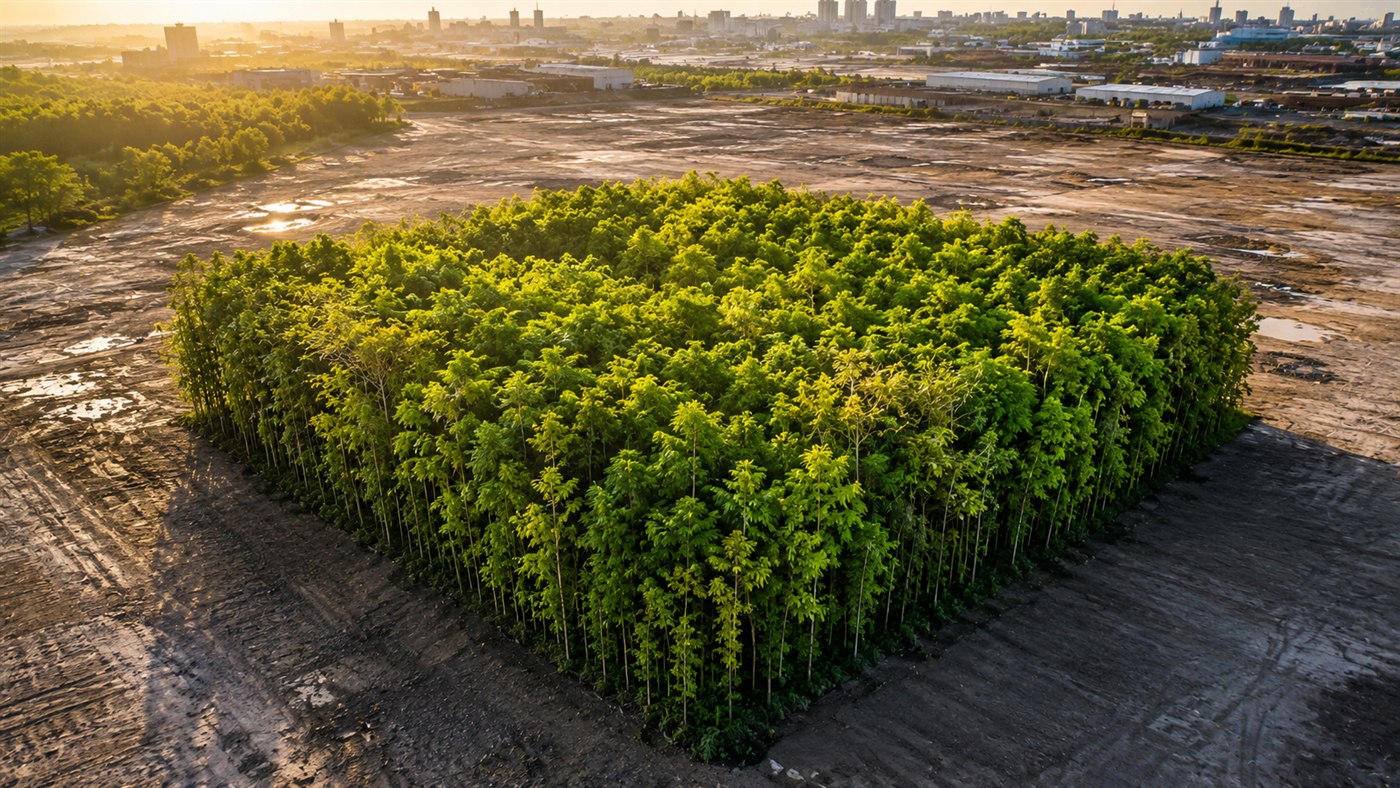
However, a study on an innovative technology conducted by researchers from the Federal University of Lavras (UFLA) and the Federal University of Ceará (UFC) points to a promising technological solution that uses bamboo and castor bean cake cellulose nanoparticles in the production of sustainable construction panels in civil construction.
A Sustainable Alternative To OSB Panels
OSB panels, or Oriented Strand Board, are common in civil construction due to their strength and rigidity. However, they contain synthetic formaldehyde-based adhesives, which are toxic. Additionally, the production of OSB often involves the use of pine and eucalyptus wood particles, raising sustainability and deforestation concerns.
-
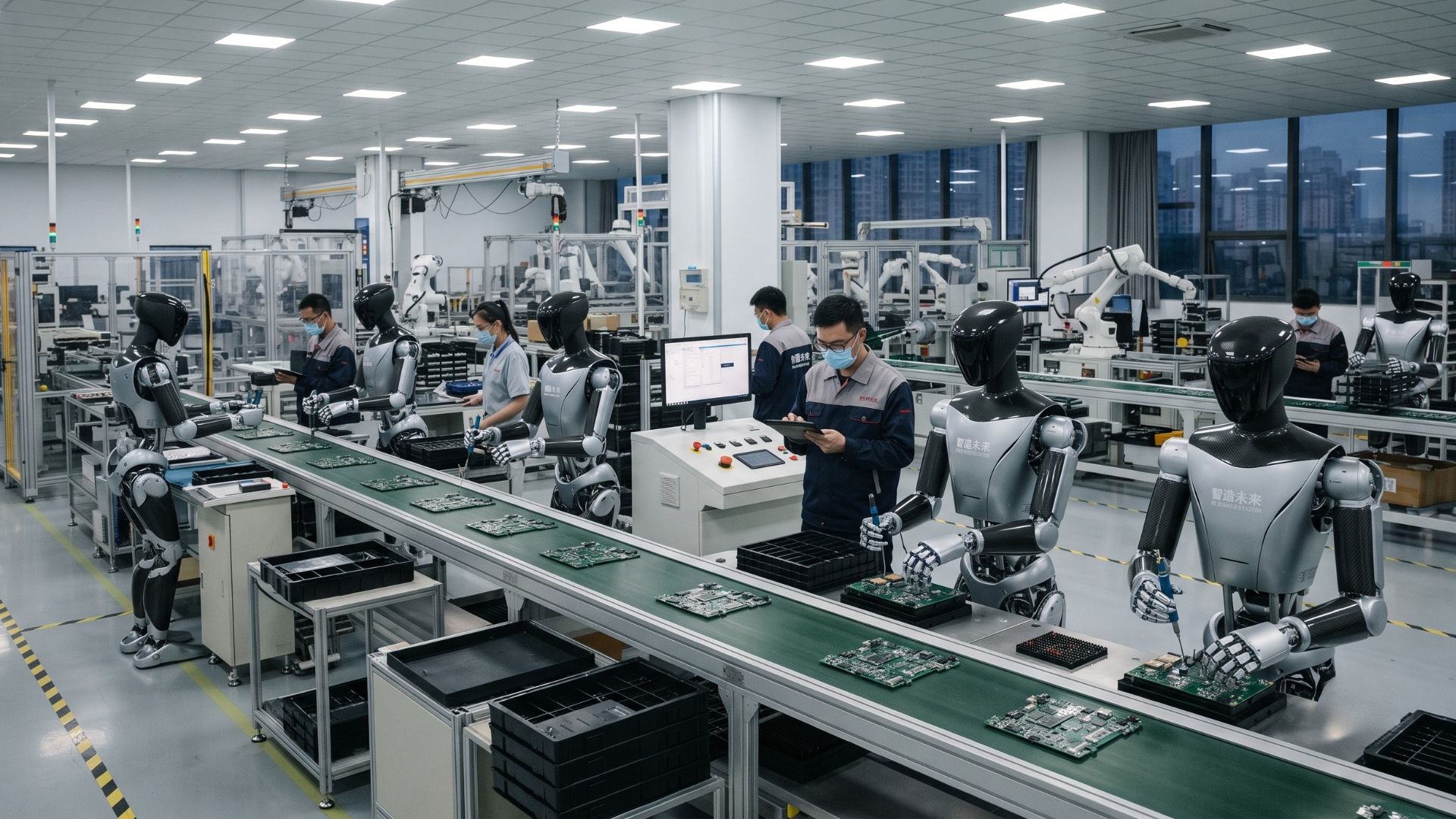
Humanoid Robots Begin Replacing Workers in Repetitive Roles as Companies Accelerate Industrial Automation

-
Humanoid Robots Begin Replacing Factory Workers in China, Working 64-Hour Shifts and Driving Industrial Automation Forward

-
Miniature Nuclear Reactor to Be Installed in South Wales, Powering 20,000 Homes and Reviving UK’s Nuclear Industry After Nearly 50 Years
-
San Andreas Fault Reaches “Highest Tension in 1,000 Years,” Raising Fears of the “Big One,” but New Study Identifies Key Zone Near Los Angeles Influencing Earthquake Impact




The Innovative Production Process
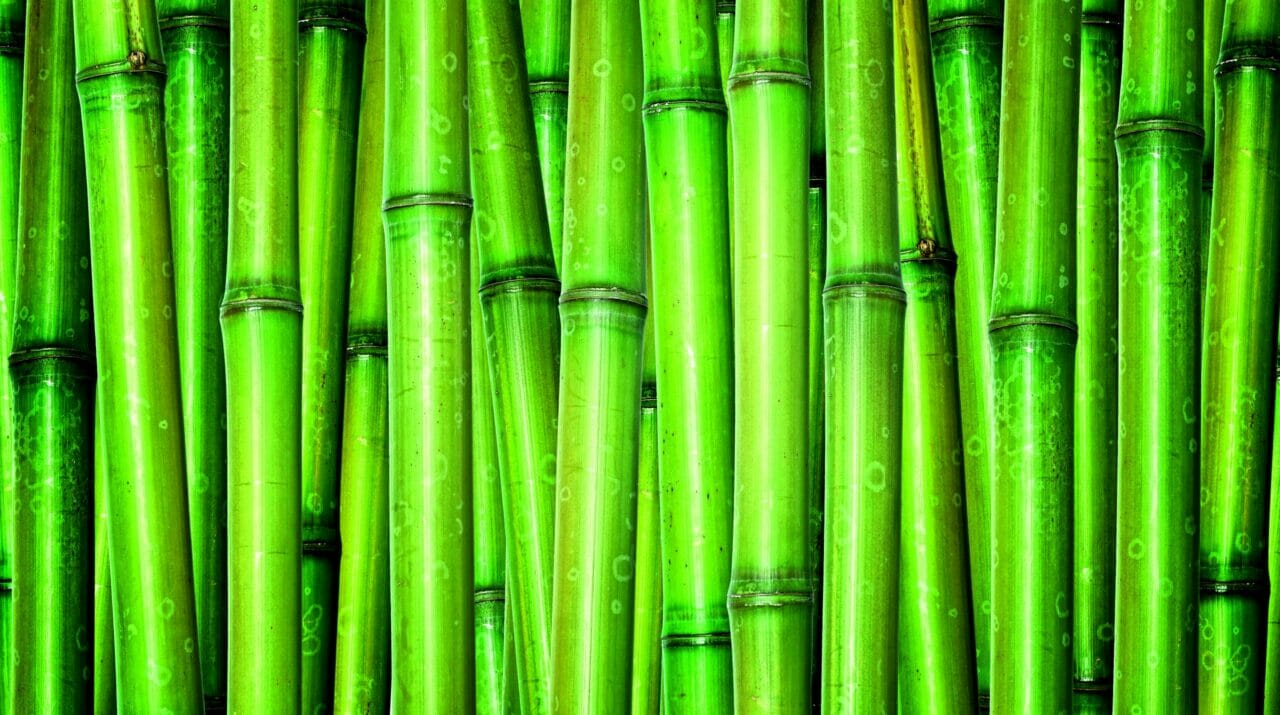
Brazilian researchers proposed a revolutionary alternative. They used bamboo as a substitute for wood in construction panels. More importantly, they incorporated cellulose nanofibrils from castor bean cake to replace the toxic adhesives commonly used in panel manufacturing.
The bamboo, supplied by UFLA, was treated to prevent rotting and reduced into smaller parts. Subsequently, the bamboo particles were bonded using formaldehyde resin, which was drastically reduced due to the presence of the castor bean cake cellulose nanofibrils. The results were high-temperature pressed panels cut into smaller pieces for analysis.
Sustainability, Renewal And Technology In Civil Construction
The new bamboo and castor bean panel technology was subjected to rigorous testing of physical properties and resistance, as well as measuring the amount of formaldehyde emitted. The results were extremely positive, indicating that this alternative is biodegradable, renewable, and less toxic, making it a promising option for civil construction.
The research conducted by UFLA and UFC shows an exciting path for civil construction in Brazil. The use of sustainable material technology, such as bamboo and castor bean cake cellulose nanoparticles, not only reduces environmental impact but also creates a healthier environment for construction workers and future occupants of buildings. With the construction and technology industries increasingly seeking sustainable alternatives, this research could be a significant step toward a greener and more responsible future.