Portuguese
  Spanish


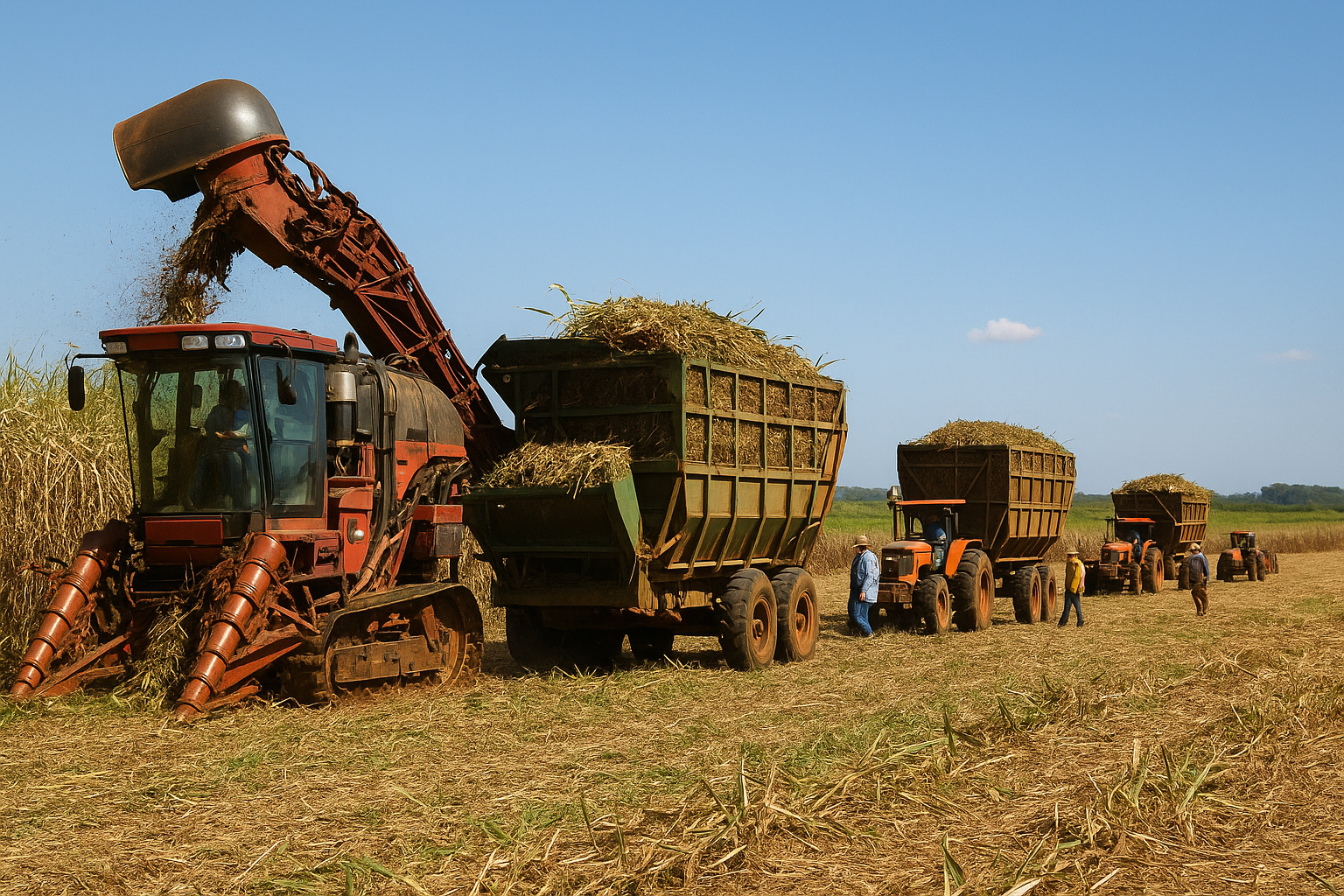

Global Sugarcane Production Advances and Generates Historic Surplus Driven by India, Thailand, and Brazil.
Asia Drives Growth and Generates Global Commodity Surplus
The global sugarcane commodity market enters the 2025/26 cycle with full strength. Major consultancies and financial institutions point to a global surplus of 3.73 million tons, resulting from production exceeding consumption.
The highlight comes from Asia, where India and Thailand present promising harvests, while Brazil continues as an exporting power and a reference in the global agribusiness.
According to a survey by NovaCana, based on 19 projections from major companies and banks, the surplus volume increased by 40.2% compared to the previous estimate made in May. At that time, the positive balance was 2.66 million tons.
-
India’s Sugar Export Cuts and Ethanol Shift Amid El Niño Threat Could Impact Global Prices and Stocks

-
Quarantine Pest Threatening Palm Trees Puts Brazilian Authorities on Alert, Prompts Monitoring at University of Taubaté and Potential Control Measures Across São Paulo
-
Global Alert: Report Finds 159 Pesticides in Coffee Beans Sold in Europe, Posing Serious Risks to Millions of Farm Workers
-
Low-Demand Brazilian Beef Offal Gains Popularity Abroad: Indonesia Purchases $19.5 Million, Boosting Revenue and Reducing Waste



Now, with more favorable weather conditions and good agricultural performance, sugar reaffirms its position as one of the pillars of global agricultural commodities.
Itaú BBA Sees Good Prospects for India and Thailand
In a report released on October 14, Itaú BBA reinforced optimism regarding Asia’s performance. According to the bank, India and Thailand have started the 2025/26 cycle with “good prospects”, which should contribute to a more balanced market globally.
“The advancement of these productions should adjust the global balance and indicate whether the world market will need more or less Brazilian product,” emphasized Itaú BBA.
The bank projects a surplus of 1.7 million tons in the new cycle. Additionally, regular rains in Central America also favor agricultural performance, boosting sector growth.
Czarnikow Projects Record Surplus Since 2017/18
Among the more optimistic forecasts, Czarnikow stands out by pointing to a surplus of 7.4 million tons for the 2025/26 cycle – the highest since 2017/18. The update, released in October, represents a jump of 1.2 million tons from the previous estimate made in August.
If confirmed, this trend could impact international commodity prices, increasing global supply and reinforcing the strategic role of sugarcane in world trade.
Brazil Maintains Prominence in Global Agribusiness
Even with Asian growth, Brazil remains a key player in the market equilibrium. The country is a leader in productivity and technology in the sugar-energy sector, ensuring stability in global supply.
Experts highlight that, even in a surplus scenario, the country tends to adjust its production according to demand, prioritizing ethanol when sugar prices are less advantageous. Thus, Brazilian agribusiness continues to be a pillar of competitiveness and innovation in the agricultural commodities sector.
Outlook Indicates Stability in the Global Market
Thus, with Asia expanding its participation and Brazil solidified as the main supplier, the 2025/26 cycle is likely to represent a new phase of stability and abundance for sugarcane.
In addition, the strengthening of Asian productions should balance the market and reduce pressure on international prices.
Therefore, the expectation is that the global surplus will bring relief to consumption and simultaneously strengthen the productive chains in different regions of the planet.
In this way, the movement reaffirms the strategic role of sugar within global agribusiness, consolidating it as one of the most influential commodities in the global economy.