Portuguese
  Spanish


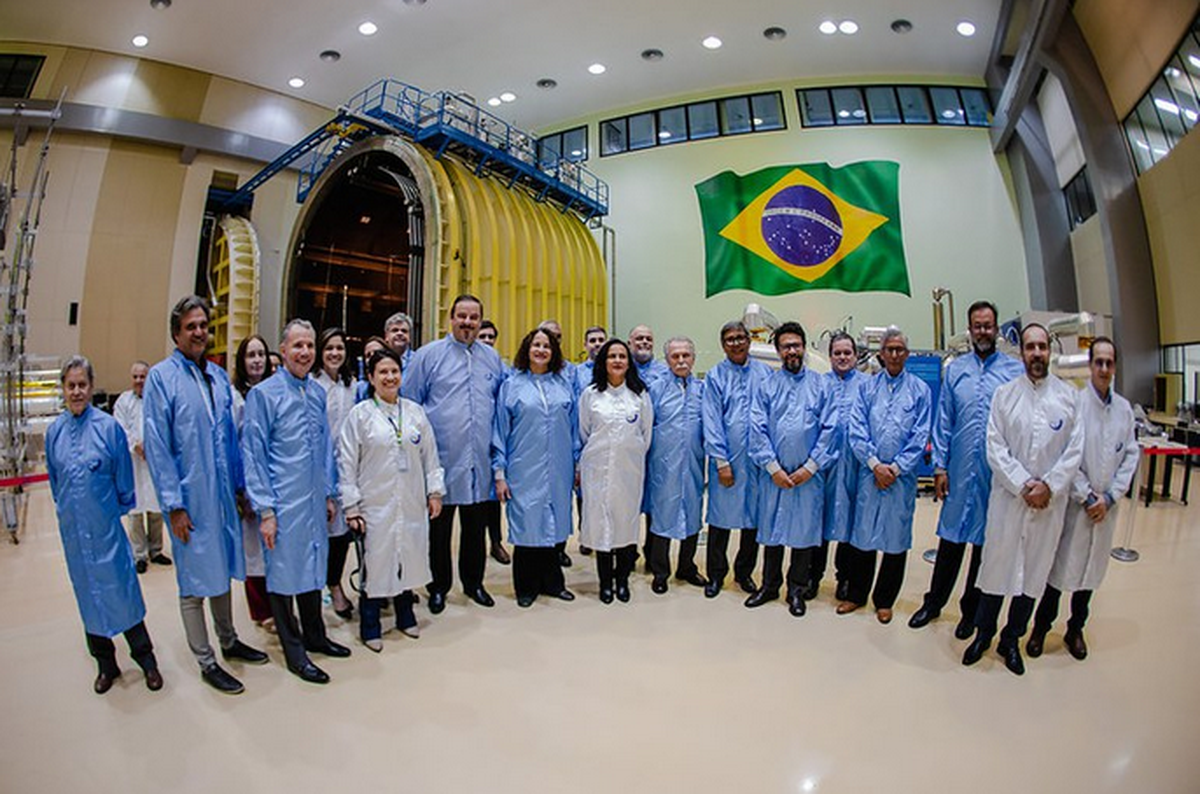

Inpe Invests in Cutting-Edge Technology for Climate Monitoring
The National Institute for Space Research (Inpe) received, in May 2025, a state-of-the-art supercomputer, acquired for R$ 25 million from HPE-Cray. This equipment, landed at São José dos Campos airport (SP), will be installed at the Weather Forecast and Climate Studies Center (Cptec), in Cachoeira Paulista, replacing the old Tupã system, in operation since 2010. The new machine promises to revolutionize weather and climate forecasts in the country, offering greater accuracy and speed in data analysis.
Technological Advance in Predicting Extreme Events
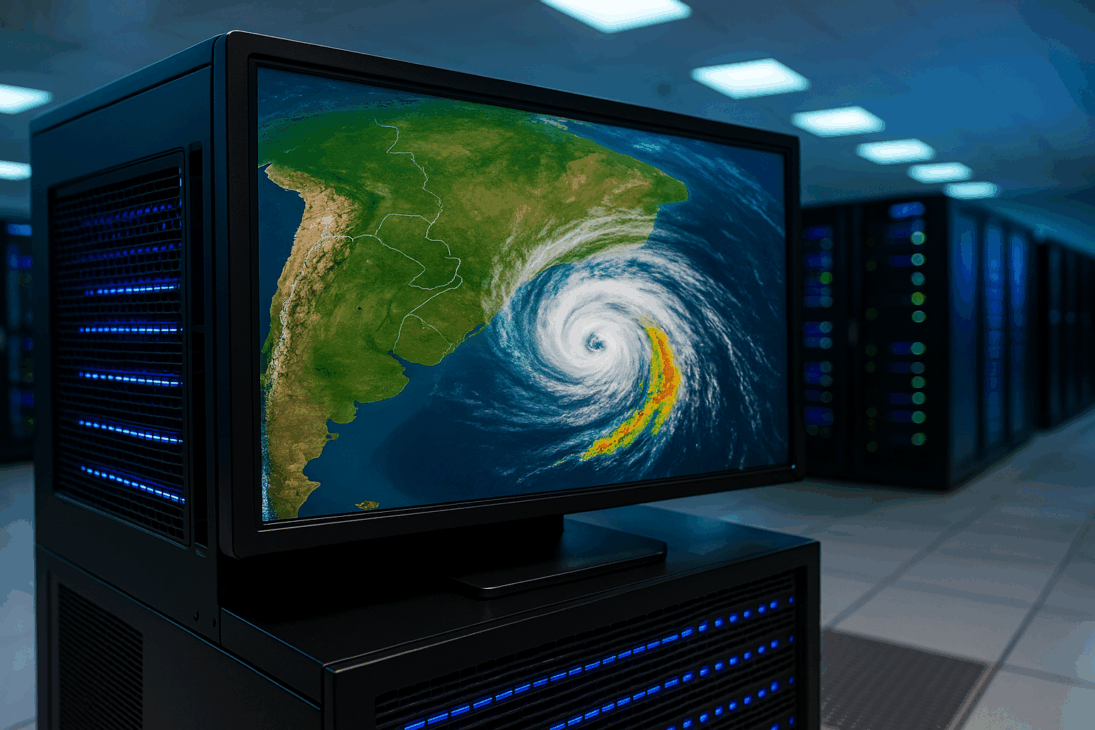
With processing power six times greater than its predecessor, the new supercomputer will enable more detailed environmental simulations, essential for anticipating extreme climate events such as droughts and storms. Additionally, it will strengthen studies on climate change, providing more accurate data to understand climate patterns and develop effective mitigation strategies.
Benefits for Strategic Sectors
The implementation of the supercomputer will directly benefit agencies such as the National Center for Monitoring and Natural Disaster Alerts (Cemaden) and Civil Defense, which will have more accurate information for managing natural disasters. Sectors such as energy and agriculture will also be positively impacted, with improved climate forecasts assisting in resource management and crop planning.
-
Teen Invents Promising AI Device to Detect Eye Misalignment Using 3D-Printed Visor and Small Cameras for $300

-
Bosch Unveils Series 8 Dishwasher with Zeolith Drying, Voice Control, and Energy-Efficient Features

-
Brazilian Students Develop “Reminder Robot” to Help Seniors with Medication Management Using Arduino Technology

-
Canada Makes Historic Decision to Purchase New German Submarines in $70 Billion Defense Program, Replacing Aging Victoria-Class Fleet by 2033



Transition to a New Era in Brazilian Meteorology
The replacement of the Tupã supercomputer with the new system represents a milestone in Inpe’s computational capacity. Previously, specialists took about 23 hours to complete tasks. Now, they can perform them in minutes, quickly meeting society’s demands for accurate meteorological information.
Commitment to Innovation and Safety
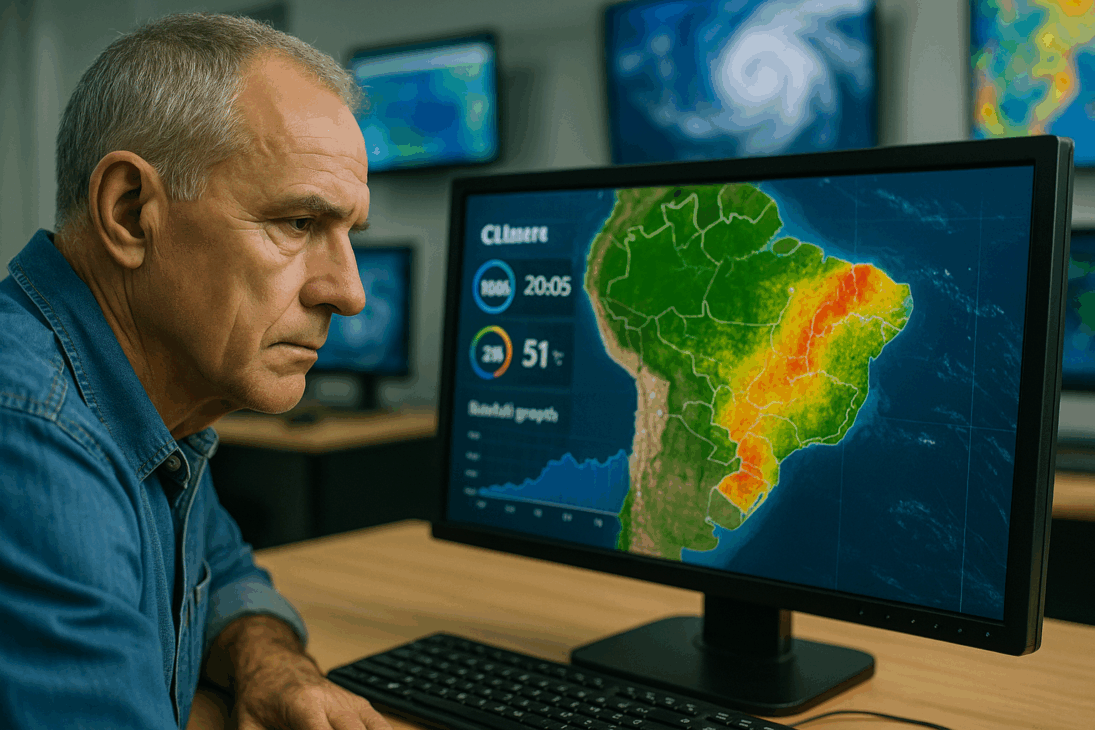
This investment, therefore, reinforces Brazil’s commitment to science and technology, as well as establishing the country as a reference in Latin America. Furthermore, the new technology will allow Inpe to enhance numerical models for weather and climate forecasting, which is essential. Consequently, Inpe will also be able to develop more detailed environmental simulations, increasing the accuracy of meteorological analyses in various scenarios. Therefore, the teams will strengthen the monitoring of extreme events, ensuring more effective responses to natural disasters in all affected regions.
Thus, this measure directly contributes to safety as well as the well-being of the population, expanding benefits for the entire society.