Portuguese
  Spanish




CNA Reinforces Role Of The Field In Environmental Preservation And Traceability Challenges
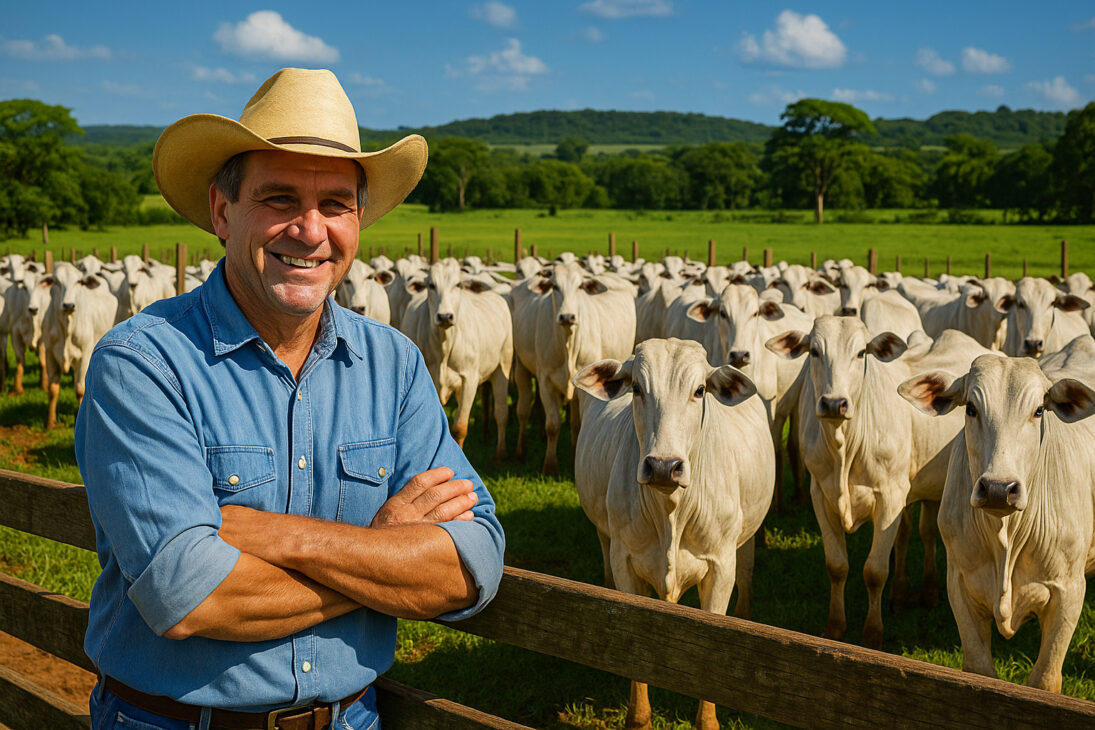
The coordinator of Animal Production at the Confederation of Agriculture and Livestock of Brazil (CNA), João Paulo Franco, highlighted on August 18, 2025, during a live event promoted by the Brazilian Center for International Relations (Cebri) and Insper Agro Global, the contribution of rural producers to the sustainability of beef in the country.
The debate, which gathered sector specialists, reinforced the importance of environmental preservation, animal health, and adaptation to the requirements of international markets.
Environmental Preservation In The Livestock Sector
According to Franco, rural producers maintain around 35% of preserved native vegetation in private areas, according to official data from the Rural Environmental Registry (CAR).
Furthermore, he emphasized that compliance with the Brazilian Forest Code, considered the strictest in the world, occurs daily, even without direct incentives.
By participating in programs such as the ABC Plan within the Harvest Plan, livestock producers recognize the need for more sustainable practices and seek credit for investments that align productivity with preservation.
Traceability Challenges And Additional Costs
According to the coordinator, the requirement for individual traceability of animals imposes high costs, which are not offset by proportionate appreciation for the producer.
In this context, he advocated for the adoption of private protocols as viable alternatives to add value to production.
He highlighted that 73% of Brazilian livestock producers own properties of up to 50 hectares, which reinforces the need for policies that consider the realities of small-scale production.
-
Brazilian Farmers with Basic Education Create Backyard Machines That Win National Invention Contest, Beating 242 Projects

-
Brazilian Farm Innovates with Cage-Free Chickens, Producing 3,300 Odorless Eggs Daily

-
From Selling Unsold Saplings to Creating Brazil’s Most Awarded Olive Oil Brand with 330 Accolades and a $12 Million Goal by 2026
-
China Builds 400-Hectare Irrigation System in Tanzania to Aid 1,000 Families Dependent on Rainfall


Advances In Animal Health And International Recognition
The coordinator, moreover, reminded that, in May 2025, Brazil received recognition from the OIE as a foot-and-mouth disease-free country.
Consequently, this status was achieved without the need for vaccination, which demonstrates, according to him, a significant health advancement.
As a result of this recognition, he emphasized that the achievement reflects the efficiency of the animal health system, as it ensures quick responses to health emergencies.
In addition, he reinforced that individual identification of herds is essential, as it protects the entire production chain.
Consequently, this traceability also ensures continuous access to external markets, which enhances the country’s competitiveness in international trade.
International Requirements And The Future Of Brazilian Livestock
The coordinator pointed out that, despite advances, there are still challenges to align production with international requirements, especially with stricter environmental regulations.
European legislation, for example, has become more stringent, demanding quick and effective adaptation from the entire national production chain.
Meanwhile, China remains an essential market for Brazilian beef, although this partnership depends on continuous investments in sustainability and quality.
To meet global requirements, immediate financial support for producers, especially smaller ones, is essential.
Otherwise, the sector’s competitiveness, as well as its own economic survival, will be seriously compromised in the medium and long term.
Furthermore, he stated that no sustainable agenda will succeed if the links in the production chain continue to act in isolation.
For this reason, he strongly advocated for joint action among sectors, aiming for greater cooperation and more consistent results throughout the chain.