Portuguese
  Spanish


The Discussion About Sustainability Gained Depth in the Brazilian Brewing Sector After COP-30, Especially Because the Industry Realizes That Innovation and Environmental Responsibility Go Hand in Hand.
According to Simespi, the seminar “Sustainability in the Productive Chain of the Brewing Industry” will bring together representatives from CervBrasil and Instituto Rever to update business owners on the transformations that are already shaping the future of the segment. Thus, the event consolidates itself as a regional landmark to discuss climate, productive efficiency, and ESG practices.
Strengthening Sustainability as the Central Axis of Industry
Over the past few decades, the brewing industry has expanded but has also begun to face more complex environmental challenges. Since the 1990s, according to the United Nations, companies that are heavily dependent on water and energy have been pressured to reduce waste and adopt cleaner practices. Therefore, the current discussion does not arise by chance; it reflects a historical movement that has gained momentum.
In this context, the presence of Paulo de Tarso Petroni, general director of CervBrasil, shows that the sector is looking to integrate productive guidelines with global goals. He actively participated in COP-30, according to R7, and brought reflections on ecological transition and climate governance. This international dialogue becomes essential because industries and equipment manufacturers need to align local processes with increasingly stringent global requirements.
-
Green Roofs on Homes Gain Popularity for Reducing Heat, Noise, and Rain Impact in Brazil

-
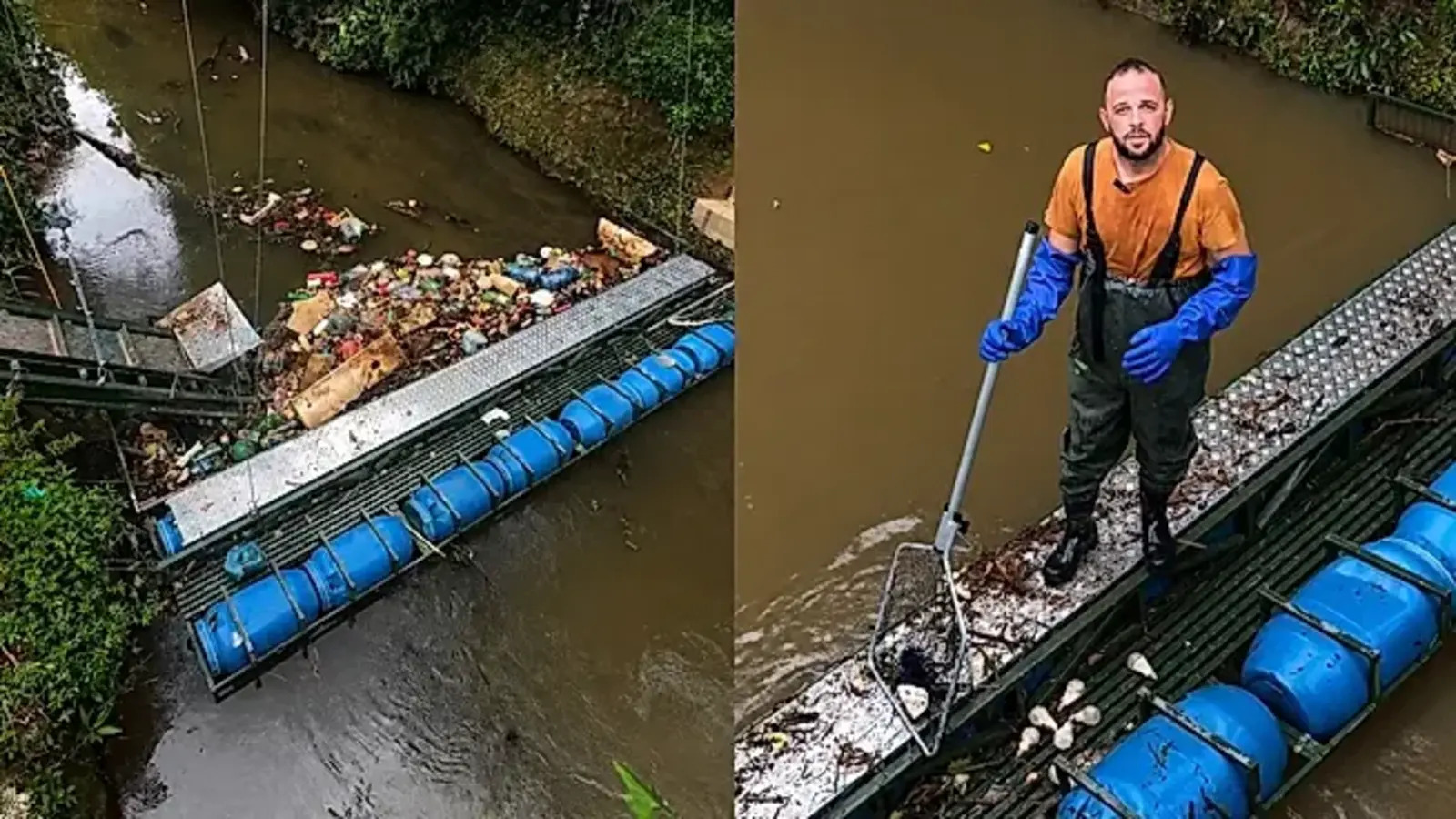
Brazilian promises his children to save a river, creates an eco-barrier in his backyard, has already removed more than 40 tons of trash from the water, and even inspires the idea in other states of the country.

-
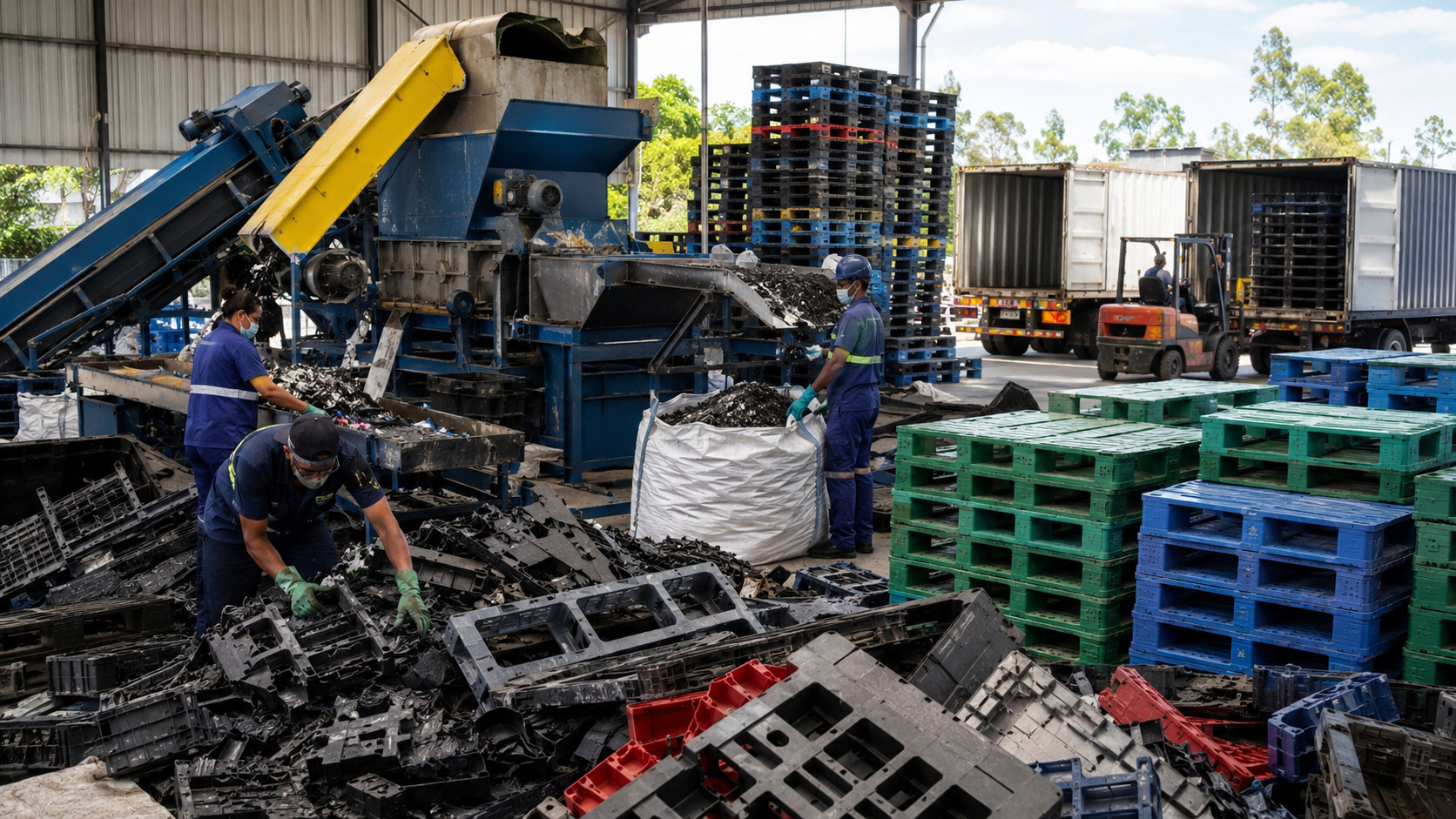
How a Brazilian company created a system that transforms broken pallets of any brand into new assets, recycles 80 tons of plastic per month, and found a profitable solution to a problem that challenges industries across the country.
-
Invasive bullfrog capable of devouring other amphibians and laying up to 20,000 eggs is found in Florianópolis, raising an alert about the threat to native fauna.


Moreover, the creation of the SustainBeer Brasil project reinforces this new phase. The program arises to support companies that wish to reduce emissions, reuse waste, and implement clearer environmental policies, strengthening a productive chain that depends on the long term.
Global Trends and Direct Impacts on the Brewing Sector
The trends discussed at COP-30 directly influence beer production. According to the International Energy Agency, rising temperatures affect sensitive crops, such as barley and hops. For this reason, governments and companies have begun to discuss solutions that involve water efficiency, renewable energy, and automated monitoring systems.
The seminar organized by Simespi brings these global concerns closer to regional reality. This is happening because Piracicaba, Saltinho, and Rio das Pedras have several metalworking industries responsible for manufacturing equipment used in breweries. Thus, making production efficient means involving the entire chain, from manufacturing tanks and bottling lines to transport and waste disposal.
As a result, discussions transcend the environmental sphere: they influence competitiveness, operational costs, and brand reputation.
The Role of Innovation to Sustain the Future of Production
The trajectory of the brewing industry shows that periods of advancement have always been linked to innovation. In the early 2000s, the modernization of equipment reduced water consumption, which used to exceed ten liters per liter of beer. Today, according to data from CervBrasil, many plants operate with less than three liters. This progress reveals how technology and sustainability are fully connected.
Consequently, the Simespi seminar addresses not only climate goals but also new industrial models. Energy recovery systems, integrated solar panels, smart sensors, and artificial intelligence to reduce waste are becoming increasingly common. Thus, companies understand that investing in innovation reduces costs and strengthens sustainability.
Additionally, according to the federal government in documents published after COP-30, productive chains that adopt more robust environmental practices receive greater institutional support and easier access to financing.
The Importance of Environmental Education Within the Brewing Sector
The discussion about sustainability reached a much broader level, involving a cultural shift. For this reason, events like the one promoted by Simespi become fundamental. They encourage companies to train employees capable of identifying opportunities for savings, reuse, and impact reduction.
According to Instituto Rever, enhancing reverse logistics practices will continue to be essential in the coming years. Aluminum, glass, and plastic waste need to return to the production cycle efficiently to avoid waste. The brewing industry, with its high volume of packaging, plays a strategic role in this process.
Thus, when companies broaden their commitment to environmental education, they create conditions to improve internal performance and contribute to the country’s climate goals.
Integration Between Industry, Society, and Public Policies
No productive chain evolves in isolation. Sustainability only strengthens when companies, governments, and society converge on common goals. According to the Ministry of the Environment, initiatives that connect innovation, environmental responsibility, and local development produce more lasting results.
With this, the Simespi seminar emerges as a link between complementary sectors. It brings together manufacturers, researchers, business leaders, and industry professionals around a discussion that directly affects the economic and environmental future of the region. And, as Brazil has immense relevance in the global beer market, the decisions made now resonate nationally.
Furthermore, the industrial sector understands that clearer public policies on emissions, waste, and energy make the ecological transition safer. For this reason, events aligned with the discussions of COP-30 gain increasing relevance.
Paths That Can Shape the Industry in the Coming Years
The reflections brought by Paulo de Tarso Petroni after COP-30 highlight that the brewing sector will need to adopt new strategies. This involves, for example, increasing the use of biomass, incorporating renewable energy, improving thermal efficiency, and strengthening partnerships with sustainable suppliers.
However, progress will only be solid if companies adopt clear ESG metrics and share results. Thus, consumers will have more confidence and investors will be able to support initiatives that genuinely combine innovation and environmental responsibility.
Still, it is worth noting that the sustainable transition occurs gradually, as it involves significant financial and operational changes. Nevertheless, experts argue that industries that begin this process now will have better competitive positioning in the coming years.
Sustainability as the Essence of the Brewing Future
The seminar promoted by Simespi marks more than just a technical meeting. It symbolizes an important stage for the brewing industry, which begins to recognize sustainability as a strategic axis and not merely as institutional rhetoric. By integrating reflections from COP-30, the event reinforces that the sector needs to keep pace with global transformations and implement real solutions in its factories, processes, and management practices.
That is why sustainability, innovation, and shared responsibility emerge as the major pillars to build a more efficient, profitable, and climate-aligned productive model.