Portuguese
  Spanish




At The São Paulo GP, The Reverse Logistics Of OLUC Promotes Circular Economy And Environmental Agenda By Rererefining Used Oil Into Valuable Raw Material.
The used lubricating oil plays a crucial role in the context of sustainability during the São Paulo GP. This initiative has been recognized as a success story due to the application of reverse logistics mechanisms that allow for the transformation of this waste into a valuable resource. For the third consecutive year, the event stands out not only for its relevance in motorsport but also for its environmental commitment. With each edition, strategies are implemented to collect and rererefine the used lubricating oil, significantly contributing to the circular economy and the preservation of the final destination of the environment.
The rererefining process enables the recovery of a material that could otherwise be harmful to the environment. This reverse logistics system is essential to ensure that used oil or even contaminated lubricating oil is not improperly disposed of. By reintroducing OLUC back into the productive cycle, the São Paulo GP becomes a remarkable example of how large-scale events can align with ecological practices. Environmental sustainability is an essential legacy of the GP, positively influencing both the present and future generations.
Economic And Sustainable Impact Of The São Paulo GP
The São Paulo Formula 1 GP weekend significantly drives the economy of the city. According to information provided by the event organizers, there is a substantial injection of over R$ 1.6 billion into the local economy. Additionally, the generation of about 14,000 jobs provides an important economic stimulus. However, beyond the financial impact, the event also emerges as an opportunity for progress in the environmental agenda, highlighting the reverse logistics of used lubricating oil during the competition.
-
Green Roofs on Homes Gain Popularity for Reducing Heat, Noise, and Rain Impact in Brazil

-
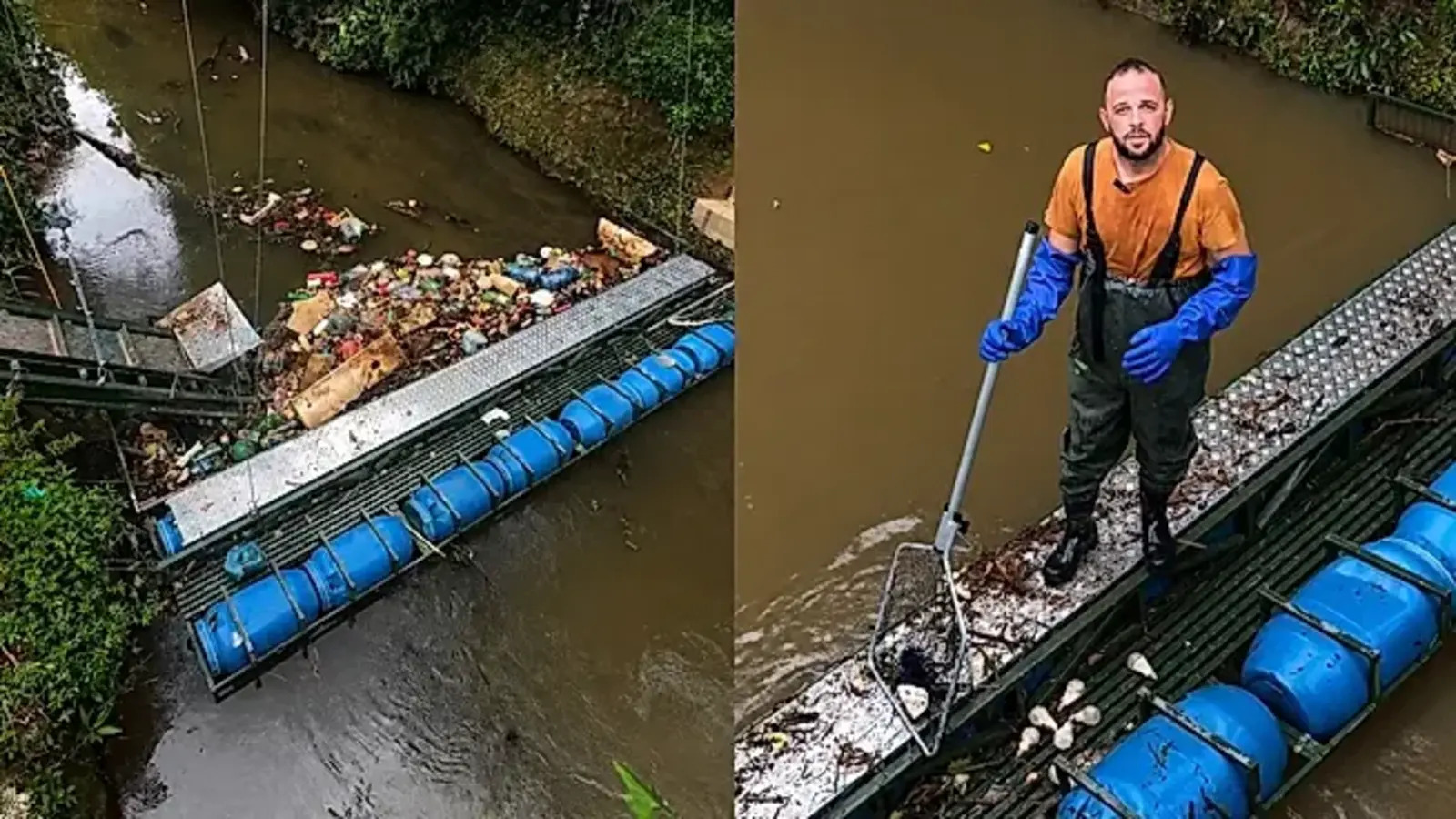
Brazilian promises his children to save a river, creates an eco-barrier in his backyard, has already removed more than 40 tons of trash from the water, and even inspires the idea in other states of the country.

-
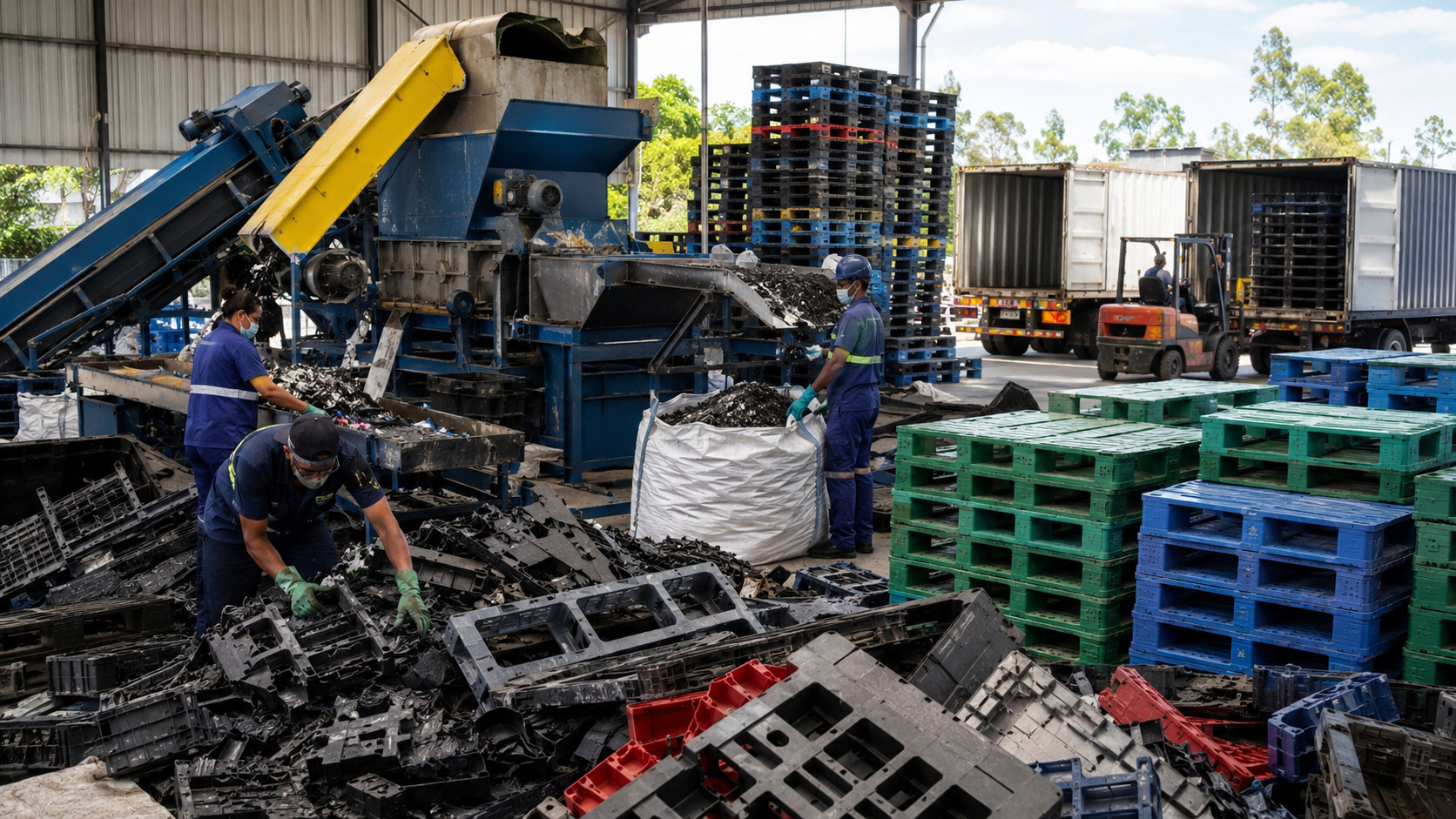
How a Brazilian company created a system that transforms broken pallets of any brand into new assets, recycles 80 tons of plastic per month, and found a profitable solution to a problem that challenges industries across the country.
-
Invasive bullfrog capable of devouring other amphibians and laying up to 20,000 eggs is found in Florianópolis, raising an alert about the threat to native fauna.


Recycling And Sustainability In The Brazilian Stage
Have you ever stopped to think about the destination of the used lubricating oil throughout the Brazilian stage? All the used oil collected during the GP weekend, which takes place on November 1, 2, and 3 at the Interlagos racetrack, undergoes a thorough recycling process. Rererefining, as this waste recovery procedure is known, turns used lubricating oil into high-quality raw material that returns to the market as high-performance base oil. Thus, the Brazilian stage becomes a model of environmental protection and reinforces its commitment to the circular economy, avoiding improper disposal.
Alignment With ESG And Rererefining Processes
This initiative is part of the event’s ESG program, in accordance with the current guidelines from Formula One Management (FOM). OLUC, or used or contaminated lubricating oil, is that dark oil removed from engines and machines during oil changes. When improperly disposed of, it can pose a significant environmental and public health risk due to its capacity to contaminate soils, waters, and air. According to AMBIOLUC, an entity representing the sector, just one liter of used lubricating oil can pollute up to 1 million liters of water.
Initiatives For Sustainability At The São Paulo GP
Brazilian legislation mandates that all OLUC must be collected and sent for rererefining. At the São Paulo GP, Lwart Environmental Solutions, a genuinely Brazilian company that leads the OLUC collection and rererefining sector in Latin America, is responsible for this project. ‘OLUC has a negative impact on the environment and its risks must be widely known. It directly influences our daily lives, circulating in the engines of the vehicles we use daily, whether in personal cars, public transport, delivery services, or apps’, explains Rodrigo Maia, Director of Collection and Logistics.
Collection And Disposal At The Event
In light of the urgent need for awareness about the proper disposal of used oil, the partnership between Lwart and the São Paulo GP remains strong for the third consecutive year, emphasizing environmental protection during the Brazilian leg of this global competition. Within the event, the project includes the installation of drums in the pits of the ten teams and strategic locations to collect used lubricating oil throughout the event.
Transport And Certification Process
After proper collection and storage, the used oil is transported in specialized trucks to Lwart’s modern factory in Lençóis Paulista/SP, one of the most advanced in the world for rererefining this waste. As a result, the São Paulo GP receives the Final Destination Certificate, a crucial legal document that attests to compliance with current environmental regulations.
The Role Of Rererefining In The Brazilian Economy
The cutting-edge technology applied at the Lwart plant allows rererefining to utilize nearly 100% of the volume of used lubricating oil that undergoes the industrial process. In addition to recovering mineral base oil, the process treats the water in the waste and transforms fractions into by-products, such as heat-generating fuel for the plant itself. This results in an ecologically efficient method, where everything is utilized. Rererefining also helps to reduce dependence on mineral oil imports, which is essential to save foreign currency, considering that Brazil is not self-sufficient in producing mineral base oil. The initiative is in accordance with Conama Resolution No. 362/2005, incorporated into the National Solid Waste Policy, and the standards set by ANP.
Source: © Lwart Environmental Solutions Press