Portuguese
  Spanish


The attempt to electrify ports in the United States involves trucks, cranes, locomotives, expensive power grids, and entire neighborhoods exposed to diesel smoke near cargo areas
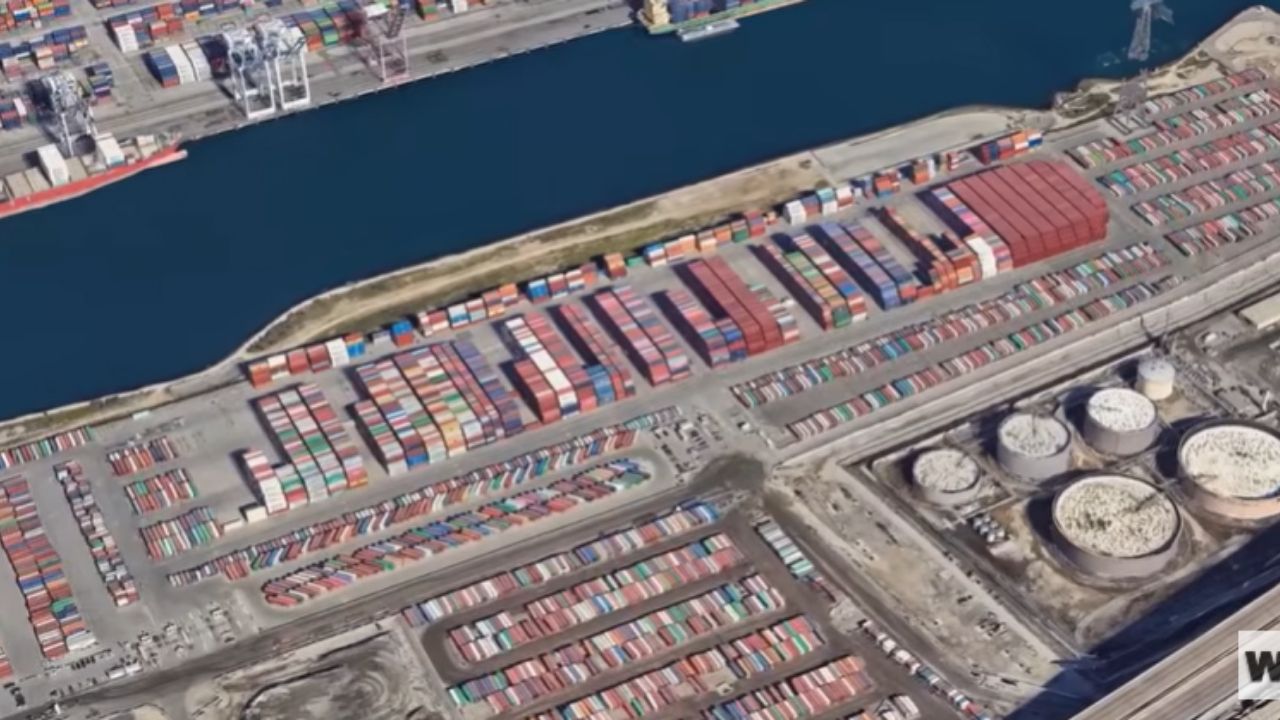
About 300 American ports still rely on diesel-powered trucks, cranes, and locomotives, but part of this sector is trying to move towards electric machines. The change targets the smoke that emanates from cargo operations and reaches neighboring communities.
The information was published by AP News, news agency. Port operations in the United States affect about 31 million nearby residents, in addition to workers such as truck drivers, dockworkers, and crews who circulate daily in these terminals.
The most important point is that electrification does not just mean swapping one engine for another. It requires new equipment, charging stations, a stronger power grid, and sufficient funds to alter a heavy logistics mechanism.
-
Brazil’s Port of Santos to Receive New $1.1 Billion Container Terminal, Tecon Santos 10, Set to Begin Operations in 2029

-
Ports without drivers and cabins already move containers like automated factories: robotic cranes, autonomous electric vehicles, and software transform giant terminals into 24-hour logistics machines.
-
A 220-meter giant powered in part by solar energy and lithium batteries has just unloaded nearly 5,000 Chinese cars at the Port of Itajaí. It is the first of ten Grimaldi super ships and the first in the world prepared to run on ammonia as fuel.

-
The Port of SC has just entered the direct route to the largest hubs in Northern Europe with a new line from Maersk, gains a connection with Manaus in 13 days, and is preparing dredging to receive giant ships of up to 16,000 containers.


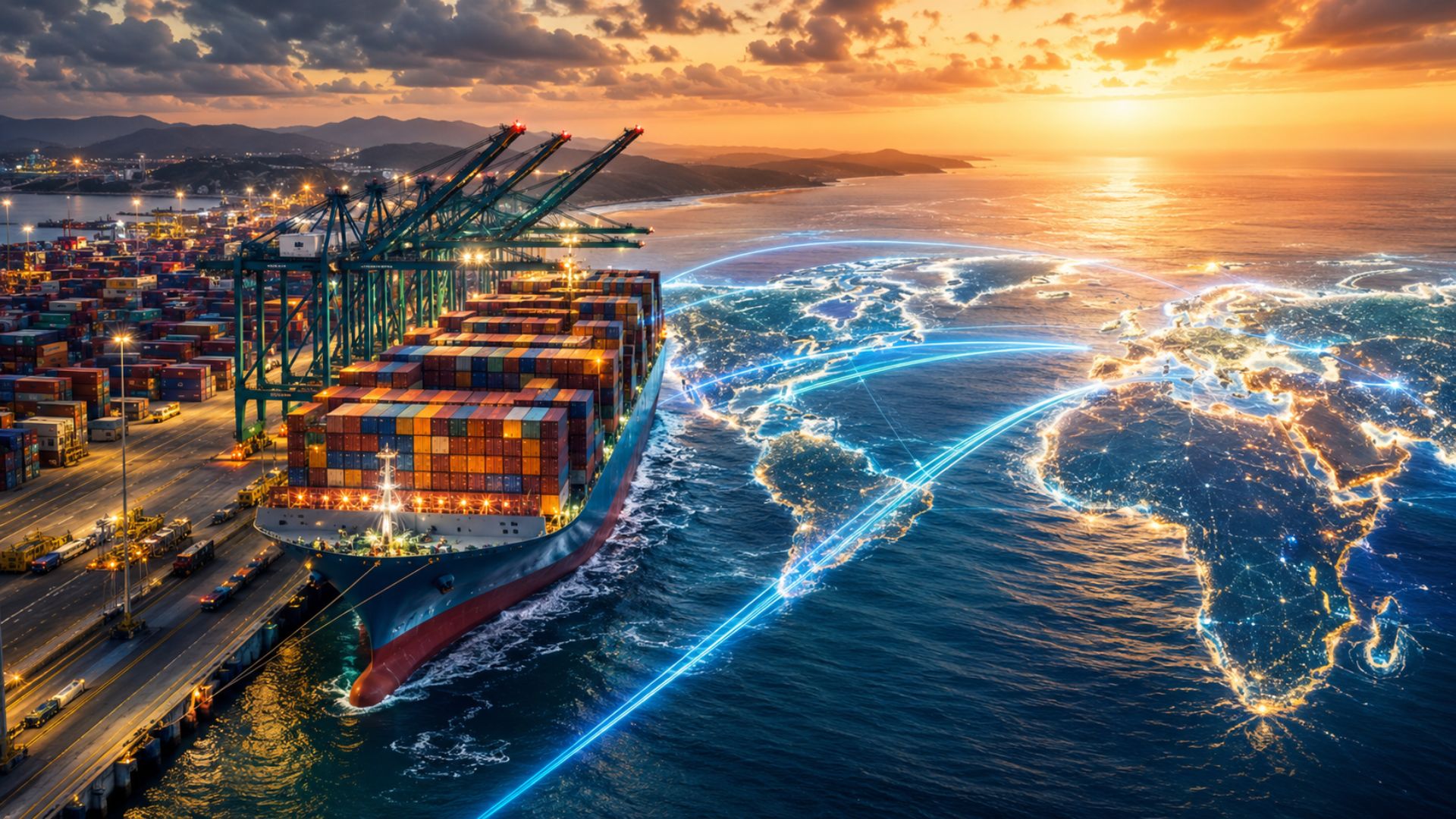
Trucks enter and exit the ports while diesel smoke reaches neighboring neighborhoods
The movement of trucks in the ports is intense because the cargo needs to leave the ships and proceed to warehouses, railways, roads, and distribution centers. Along this path, diesel appears in vehicles, cranes, and locomotives.
The issue is that diesel is a strong fuel, used in heavy machinery. When it burns, it releases smoke and particles that can worsen air quality.
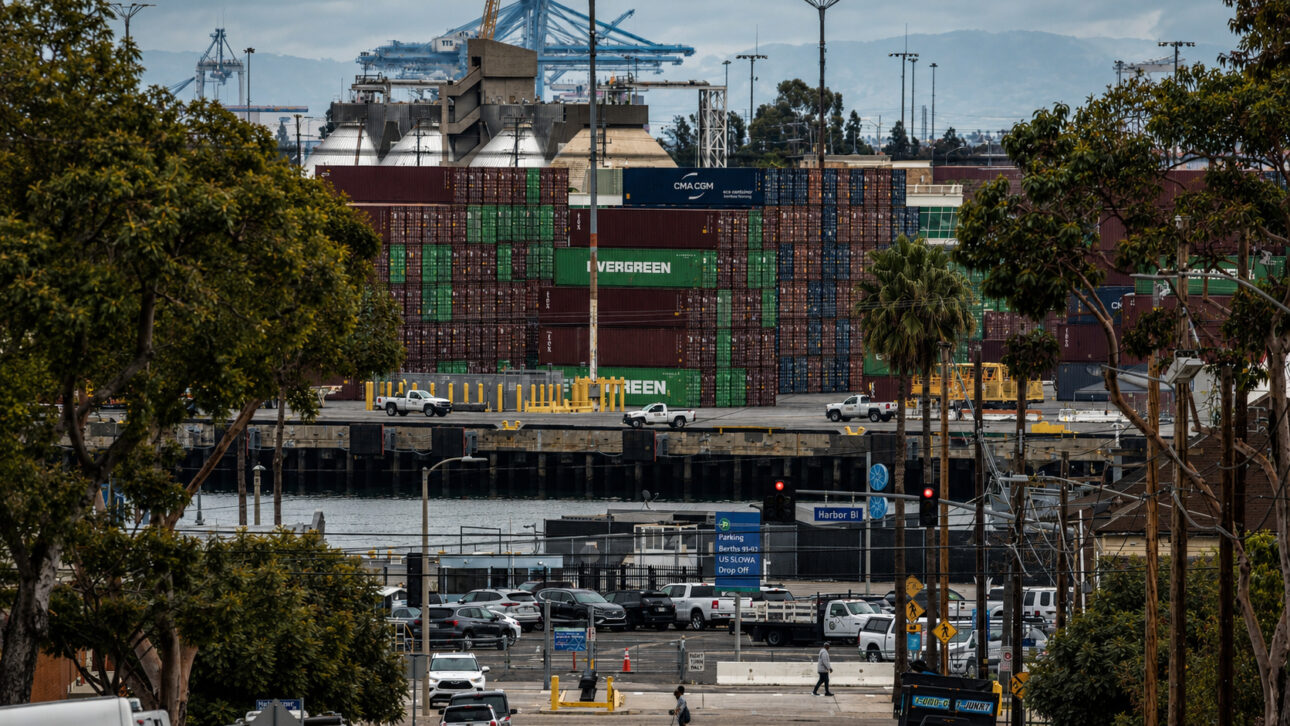
This pollution does not remain only within the port. It circulates with the traffic of trucks and trains, especially in areas where there are houses close to the cargo routes.
Therefore, the discussion about American ports has also become a discussion about urban health. Those who live near these operations feel the impact on the air, noise, and daily routine.
Electrifying a port requires much more than plugging in a truck and crane
Switching from diesel machines to electric machines seems simple at first glance, but the challenge is significant. A port does not operate like a regular garage.
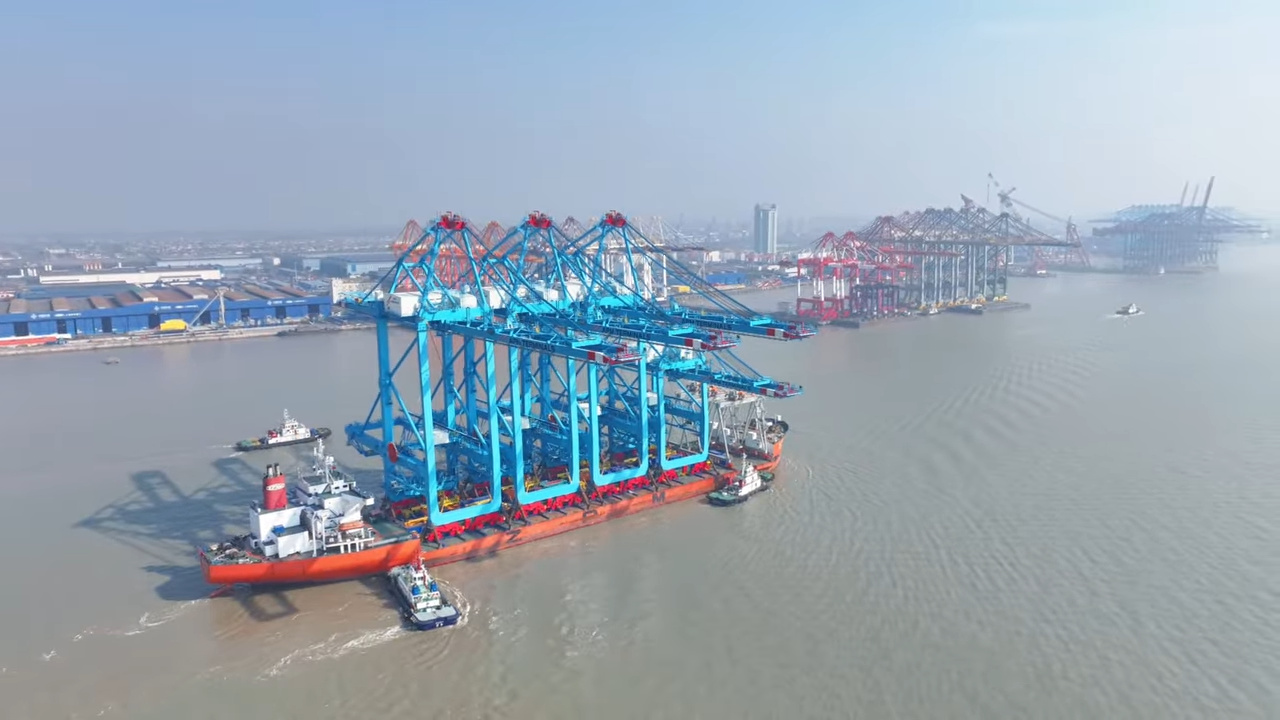
Cranes need to lift heavy containers. Trucks need to run for long periods. Locomotives need to pull loads. All this requires constant energy and a prepared infrastructure.
Electrification also depends on chargers, cables, substations, and planning to ensure operations do not stop. If the energy is insufficient, equipment replacement can become a bottleneck.
Therefore, the change advances as an ongoing project, not as a ready reality in all ports. Some electric equipment already appears in specific operations, but many diesel pollution sources remain in use.
The 31 million nearby residents show that logistics is also a public health issue
Ports move important products for the economy, but this flow has a cost for those living nearby. The data of 31 million Americans close to port operations shows the impact’s extent.
Many of these communities are Black, Latino, and low-income. This makes port pollution also a topic of environmental justice, a term used when certain groups suffer more from environmental problems than others.
Theral Golden, a resident of the West Long Beach area for over 50 years, reported that his area suffers disproportionately from pollution linked to port activities.
He also related the movement of cargo, trucks, and port operations to the need for air cleaning. His statement shows that the operation does not end at the dock, as it spreads through the roads and affects nearby residents.
Federal money helps, but does not cover the entire cost of switching to electric machines
The electrification of ports gained momentum with federal resources aimed at air cleaning. A climate law advocated during Joe Biden’s administration allocated $3 billion to support this type of effort.
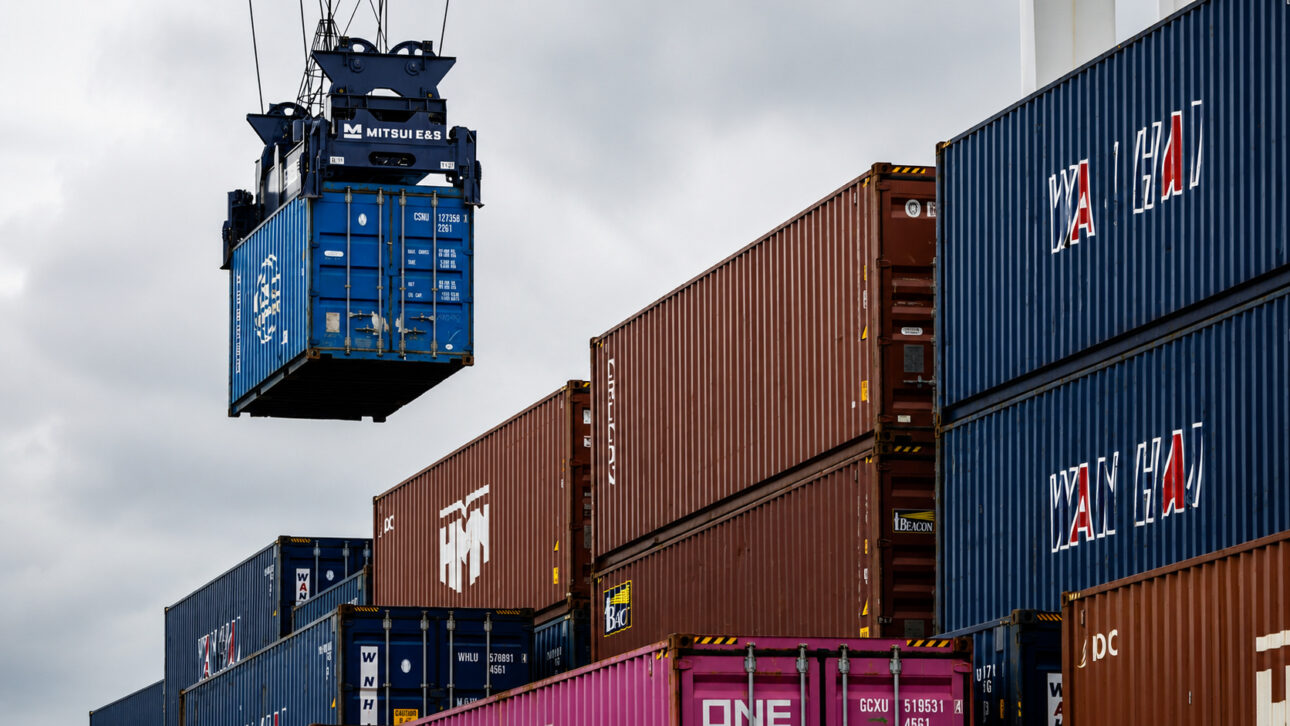
AP News, news agency, detailed that this amount aims to reduce 3 million metric tons of carbon pollution in 55 ports, with cleaner equipment, vehicles, infrastructure, and actions with affected communities.
Even so, project requests exceeded US$ 8 billion. This indicates that the demand for modernization is greater than the money available.
In practice, some ports may advance faster, while others need to wait for resource analysis, plan review, or new forms of financing.
The electrical grid has become one of the biggest obstacles within the terminals
Switching from diesel to electricity requires a basic question: where will so much energy come from to keep everything running? This issue weighs heavily in port areas.
Upgrading the electrical service in a port can cost more than US$ 20 million per berth. A berth is the place where the ship docks to load or unload.
Some ports have dozens of berths. This multiplies the cost and shows why the change does not happen all at once.
Furthermore, ports need to work with energy companies to ensure sufficient power. Without this preparation, trucks, cranes, and ships may not have electric charge available at the right time.
Short-haul trucks seem easier, but locomotives and cranes require greater care
Not all heavy machinery presents the same challenge. Trucks that make short trips between ports and nearby warehouses are more viable candidates for electrification because they frequently return to the charging point.
However, locomotives and cranes require more planning. These pieces of equipment work with heavy loads and need to operate for long periods.
Another point increases the pressure. Freight activity could grow by 50% by 2050, which means more cargo movement, more demand for transportation, and more need for pollution control.
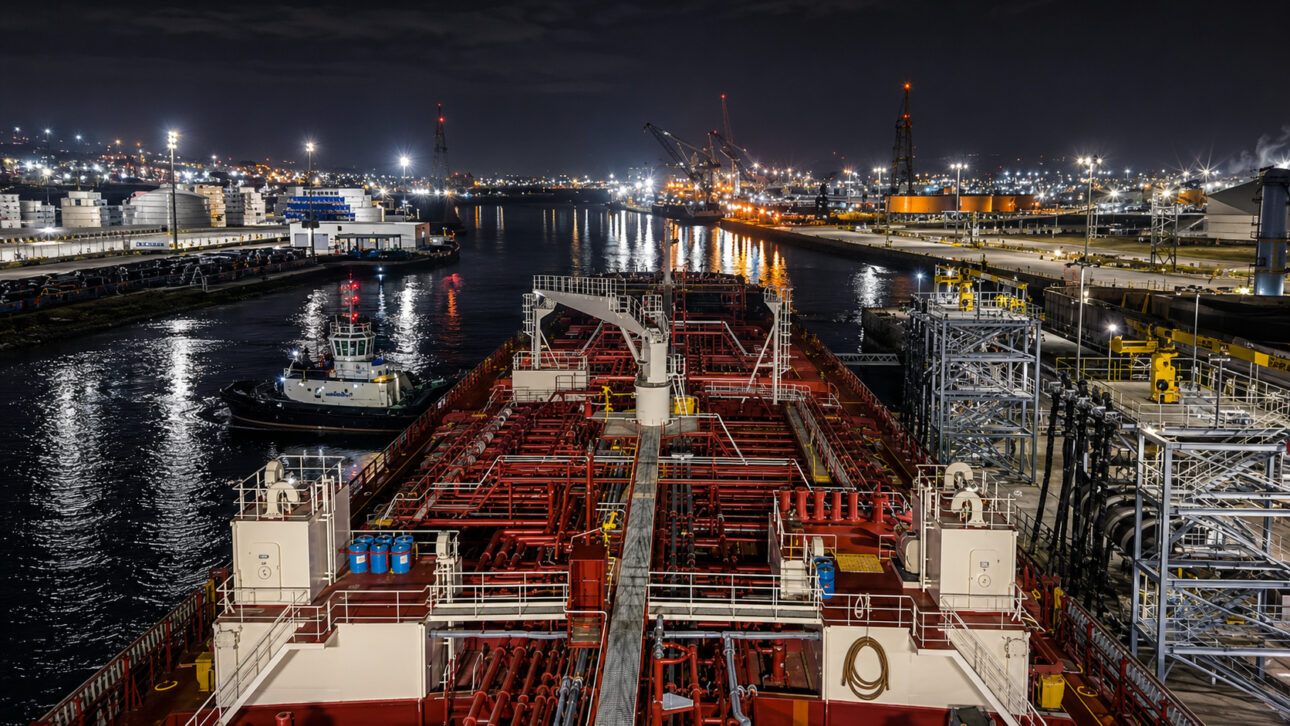
If the volume grows without a technology switch, the air in nearby neighborhoods may continue to be pressured by old engines and routes full of heavy vehicles.
The attempt to clean the ports shows that clean energy also needs to reach heavy logistics
Switching from diesel to electricity in American ports is not just an environmental issue. It involves health, transportation, commerce, heavy machinery, and entire neighborhoods near freight corridors.
The challenge is to reduce smoke without halting an operation that moves goods every day. For the 31 million residents nearby, the difference might be noticeable in the air breathed next to highways, container yards, and train lines.
The electrification of ports still depends on money, a strong power grid, and the continuity of projects. Meanwhile, diesel trucks, cranes, and locomotives remain at the center of the discussion.
If the logistics that supply the country also pollute those living next door, who should foot the bill: the ports, the government, freight companies, or all of us?