






 Portuguese
  Spanish


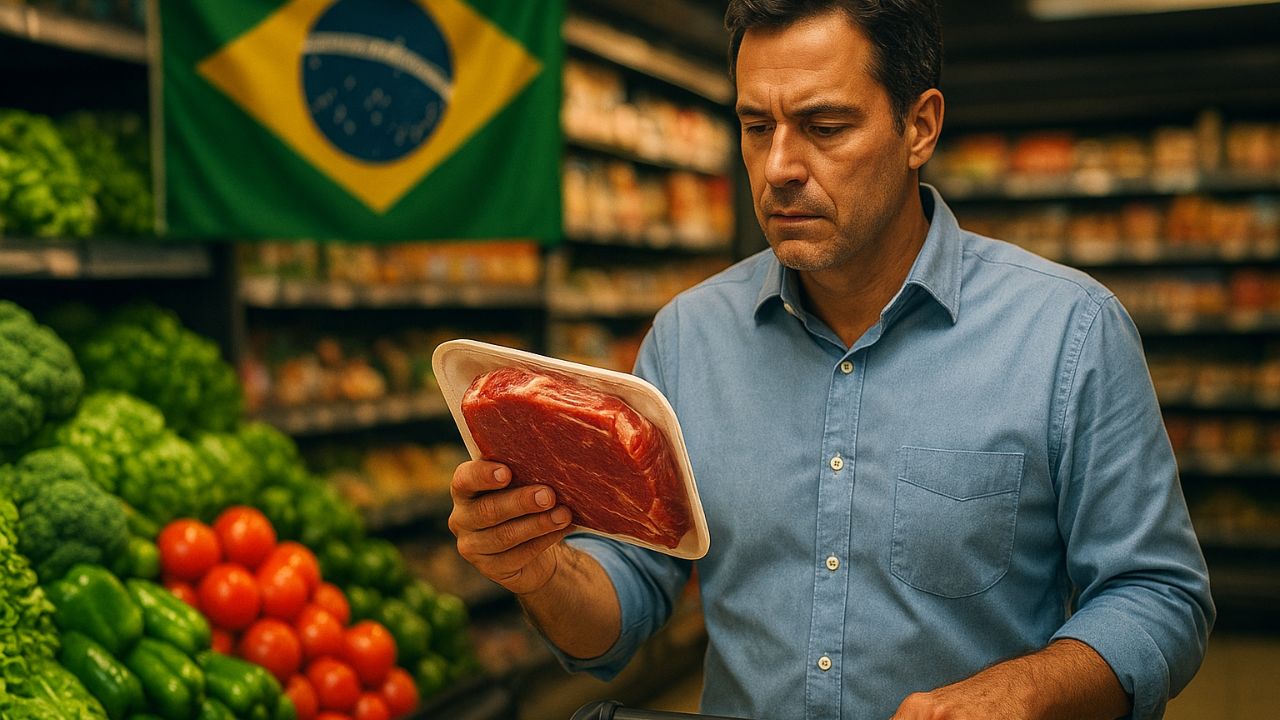


U.S. Protectionist Measure Affects Exports, But Increases Domestic Food Supply, Resulting in Price Drops of Up to 6.7% for Consumers, Study Indicates.
The Trump Tariff, which imposed new trade barriers on Brazilian products, is beginning to show a dual effect on the national economy. While the measure directly harms exporters, it has unexpectedly provided relief for consumers. With reduced shipments to the United States, the supply of foods like red meat and vegetables has increased in the domestic market, causing a significant drop in prices in August, according to a study by Neogrid, released exclusively by the InfoMoney portal.
This scenario illustrates the complex dynamics of global trade relations and their direct impact on the daily lives of people. The greater availability of products that were previously destined for export forced a re-adjustment of prices in retail. Essential items on the tables of Brazilians, such as beef cuts and a variety of vegetables, recorded the most significant drops, reflecting an immediate consequence of U.S. trade policy that, indirectly, benefited local purchasing power.
Impact on Agribusiness: Exporters Feel the Weight of the Taxes
The imposition of a 50% tax on Brazilian imports by the U.S. has hit strategic sectors of the national agribusiness hard. Meat and vegetable producers, who relied on the American market as one of their main destinations, saw export volumes plummet. This trade barrier poses a financial and logistical challenge, forcing companies to seek alternative markets or redirect their production for domestic consumption, often with lower profit margins.
-
Brazil’s Federal Revenue Auction: iPhone 13 for $95, PlayStation 4 for $80, and Volkswagen Jetta for $2,600 Among 232 Lots Available

-
Tech Giant Oracle Lays Off 21,000 Employees and Invests $70 Billion in Artificial Intelligence

-
Chilean Giant Acquires St. Marche, Expanding from Discount to Premium Supermarkets in São Paulo’s High-End Retail Market
-
After 60 Years of Selling Cheap Milk, Brazilian Family Invests in $4,000 Equipment to Transform Farm’s Milk into Premium Sweets, Producing 2 Tons Daily and Aiming for $6.4 Million


According to Anna Carolina Fercher, head of Strategic Data at Neogrid, in an analysis for InfoMoney, the connection is direct. “As the United States is one of the largest buyers of meat and soy derivatives from Brazil, the ‘tariff’ reduced the exported volume, which increased the domestic supply and pushed prices down in these categories,” explains the expert. The phenomenon highlights the vulnerability of Brazilian exporters to protectionist policies that can drastically alter the sector’s profitability from one month to the next.
Relief at the Checkout: The Decline in Consumer Prices
The most noticeable effect for the public has been the reduction in prices at the supermarket. According to Neogrid’s data, detailed by InfoMoney, the category of vegetables saw the largest decline, with a decrease of 6.7% in August. Favorable climatic factors were already contributing to a good harvest, but the increase in domestic supply, caused by the Trump Tariff, was decisive for this significant price retraction.
In the protein sector, relief was also notable. The price per kilogram of beef cuts fell by 3.4%, from R$ 38.07 in July to R$ 36.77 in August. Pork followed the same trend, with a decrease of 3.0%, falling from R$ 19.45 to R$ 18.87. Even eggs, another staple item, recorded a drop of 4.0% during the same period. Cassava flour also showed a decline of 2.5%, completing the list of products positively impacted for the consumer.
Not Everything Dropped: Other Products See Increases and Inflation Persists
Despite the decline in key foods, Neogrid’s study, as reported by InfoMoney, shows that inflation continues to press other categories of products. Hygiene and daily consumption items saw increases, such as toothpaste (+1.9%) and margarine (+1.7%). Soy oil (+1.6%) and salt (+1.6%) also became more expensive in August. Beer, a widely consumed item, followed the rising trend with an increase of 1.2%, reaching an average price of R$ 13.21.
The major villain of accumulated inflation, however, remains coffee. Analyzing the period from December 2024 to August 2025, the average price per kilogram of coffee (both ground and beans) jumped from R$ 53.58 to R$ 73.75, an impressive variation of 37.6%. This data shows that, although the Trump Tariff generated a localized deflationary effect in some sectors, other macroeconomic factors such as harvest, logistics, and exchange rates continue to influence the overall cost of living for Brazilians.
Do you agree with this change? Do you think it impacts the market? Leave your opinion in the comments, we want to hear from those who experience this firsthand.


