Portuguese
  Spanish


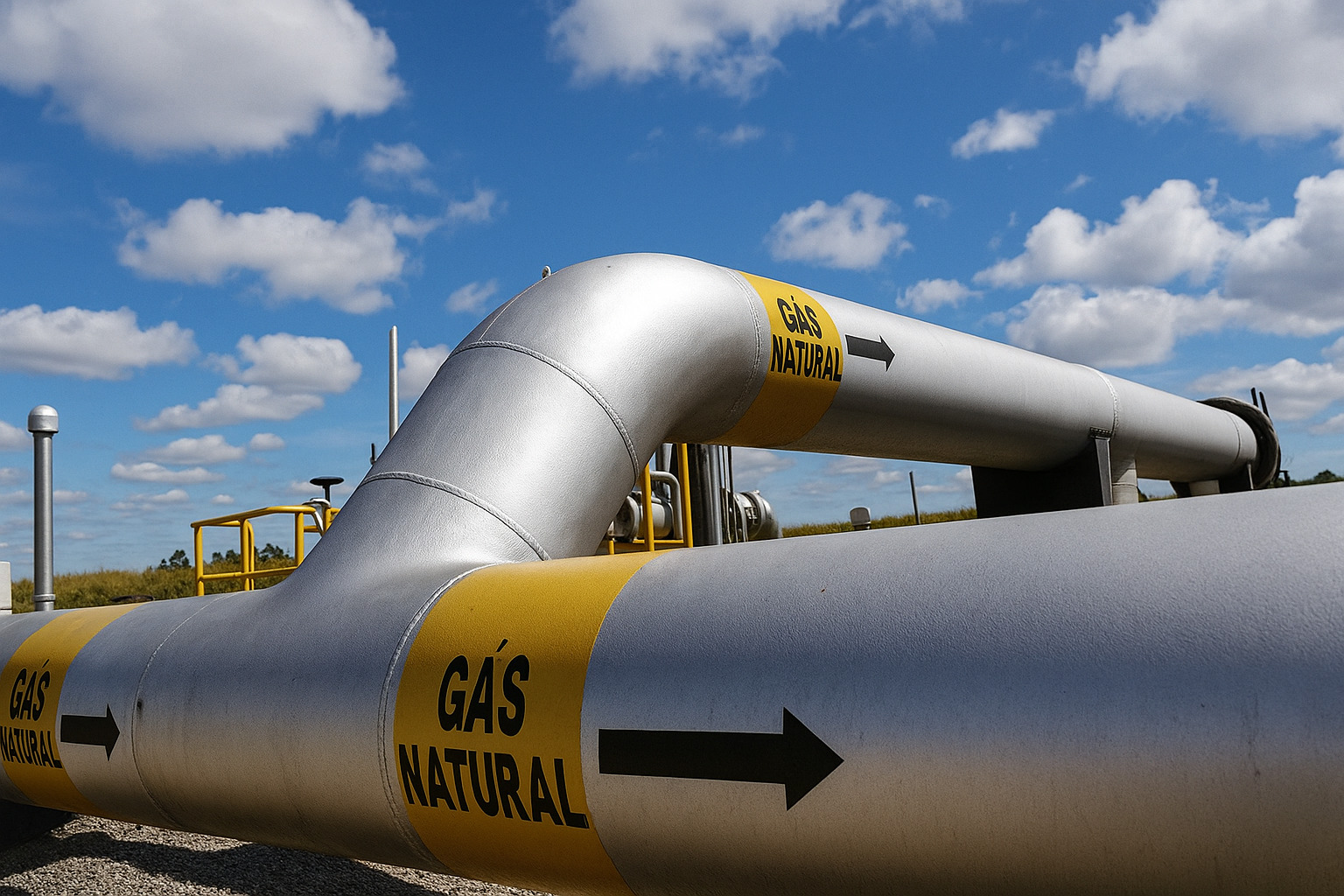

Discover How the TBG Biogas Hub Can Boost the Energy Transition in Brazil and Connect Small Producers to the National Market.
The energy sector in Brazil is undergoing significant transformations. The search for cleaner and more sustainable sources is growing each year, which strengthens the role of natural gas, biogas, and other alternatives in the energy matrix.
In this context, Transportadora Brasileira Gasoduto Bolívia-Brasil (TBG) plays a relevant role by proposing the creation of a biomethane hub, a project that can expand market access and accelerate the energy transition.
Moreover, this topic gains emphasis because the country, historically dependent on fossil fuels like imported oil and gas, begins to see new opportunities in renewable resources.
-
US$ 7 billion, green hydrogen, and steel with up to 95% less CO₂: the first green steel plant on the planet emerges in Sweden and targets Brazil as the next chapter

-
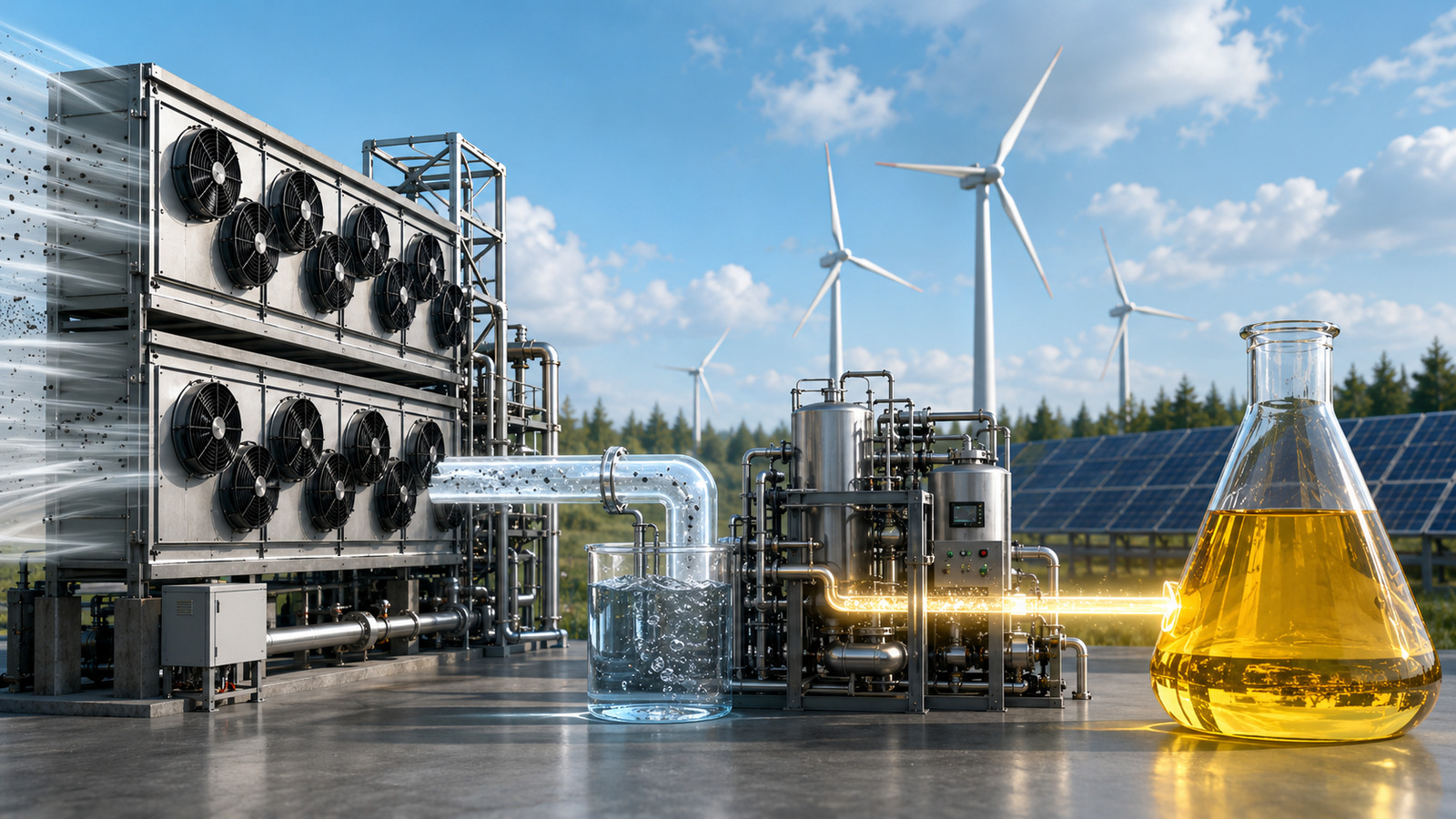
Swedes manage to create synthetic fuel with CO₂, water, and renewable energy, compatible with current engines, but face a huge problem: the energy expenditure is still double the return.
-
Brazil begins to transform wheat, residues, sweet potatoes, and soy molasses into ethanol, in a new phase of biofuels that seeks to utilize leftovers from the field and industry to fuel flex-fuel cars.

-
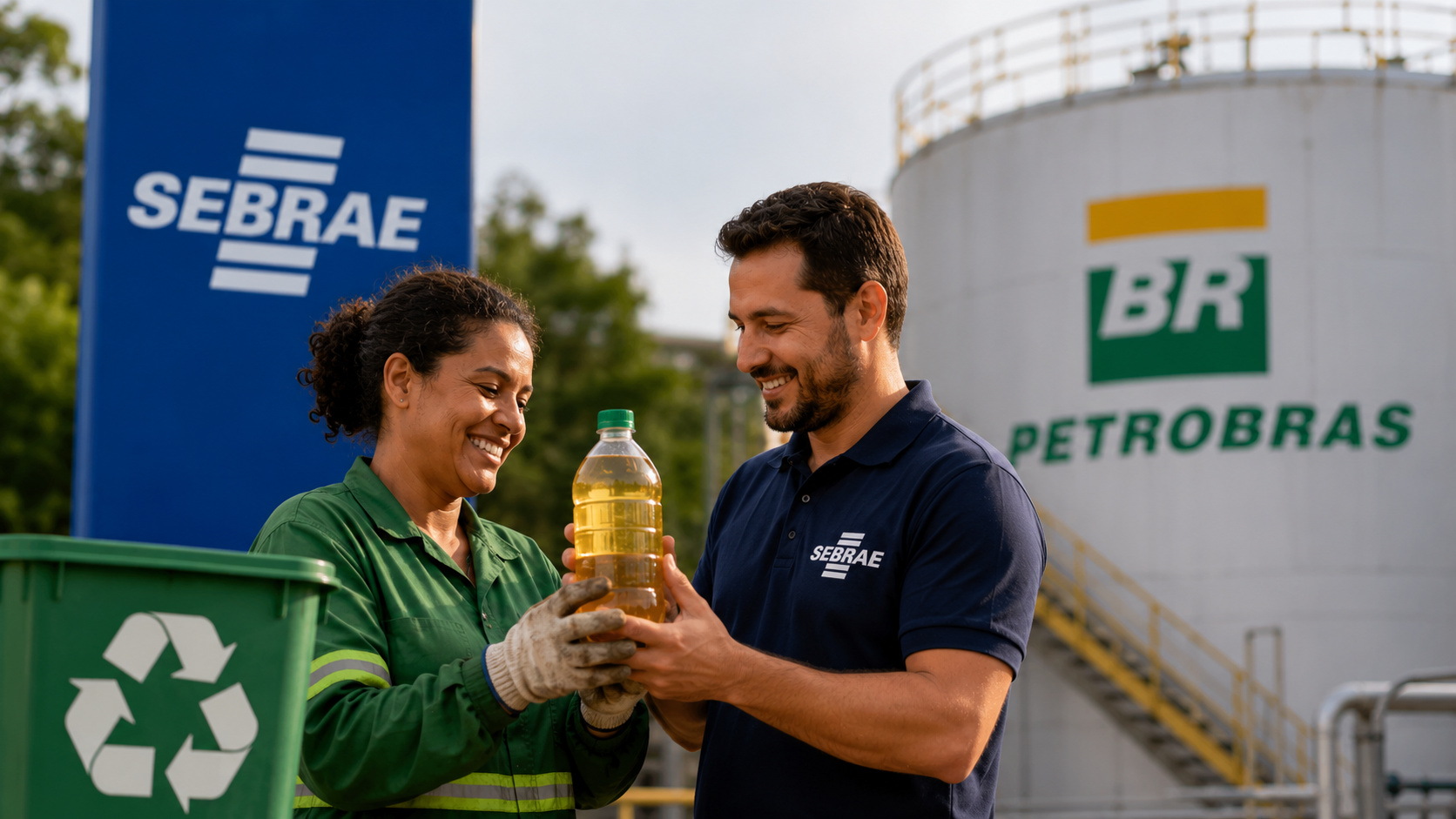
Sebrae and Petrobras join forces in Ceará to include waste pickers in the circular economy and strengthen the biofuel chain, creating new income opportunities and expanding the sustainable use of waste with a direct impact on regional development.

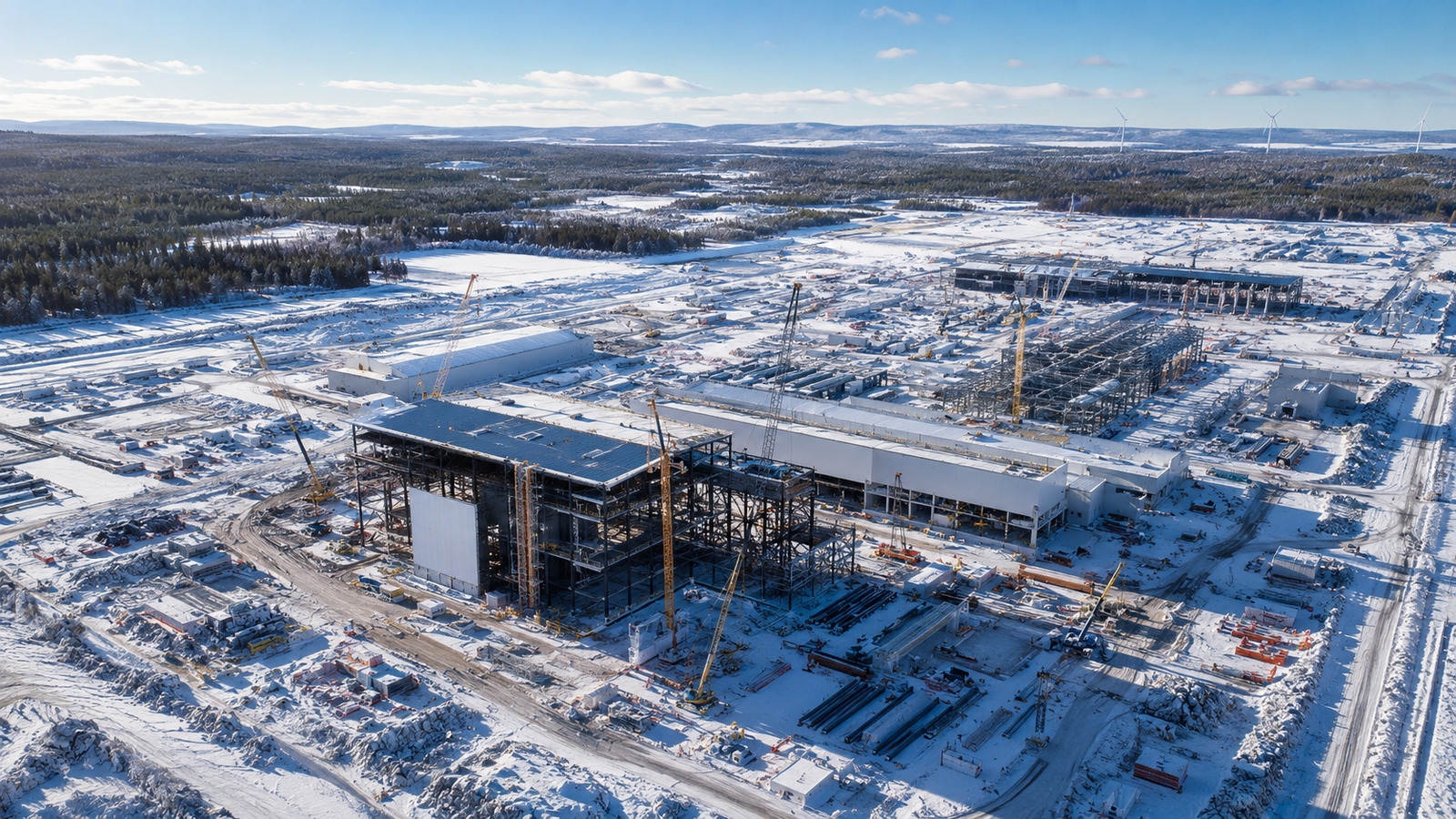
As a result, biomethane emerges as a strategic fuel, as it can replace natural gas in different applications, without the need for significant changes to the existing infrastructure.
Biomethane and Its Importance in the Energy Matrix
Biomethane is a renewable gas obtained from the purification of biogas, which is formed from the decomposition of organic waste such as agricultural leftovers, urban trash, and industrial effluents.
Therefore, its composition is similar to that of natural gas, which allows for direct injection into gas pipelines and use in industries, households, and transportation.
In Brazil, biogas production began to grow mainly in the 2000s, due to the expansion of the sugar-energy sector and the need for proper disposal of agro-industrial waste.
However, the purification needed to obtain biomethane on a commercial scale still faces challenges, mainly related to costs and distribution logistics.
Thus, TBG’s proposal to implement a biomethane hub appears innovative.
The company intends to create injection stations that gather gas from different small producers, reducing interconnection costs and making access to the market more democratic.
Thus, biomethane is no longer restricted to large projects and becomes an accessible solution for various producer profiles.
The Historical Role of Gas in Brazil
To understand the importance of this movement, it is necessary to look back and observe the trajectory of natural gas in the country.
Until the 1990s, consumption was low and nearly entirely dependent on imports and production associated with oil.
However, the decisive milestone occurred with the construction of the Bolivia-Brazil Gas Pipeline, inaugurated in 1999, which increased supply and boosted gas use in sectors like electricity, industry, and transportation.
This gas pipeline, operated by TBG, represented a significant step in diversifying the energy matrix, which had been heavily reliant on hydroelectric power.
Over time, natural gas began to occupy a role as a transitional fuel, reducing emissions compared to fuel oil and coal.
Currently, more than two decades later, the country is experiencing a new turning point.
Whereas in the past the expansion occurred through importing gas from Bolivia, today the challenge is integrating renewable sources into the existing infrastructure.
In this sense, biomethane appears as a link between past experience and future demands.
The TBG Project for the Biomethane Hub
According to TBG’s president, Jorge Hijjar, the company plans to initially implement two to three biomethane injection points, each with a capacity of 200,000 cubic meters per day.
In this way, these stations would function as receiving stations that facilitate the commercialization of small producers without incurring high connection costs.
Additionally, the proposal does not require regulatory mandates but offers an innovative business model that reduces barriers and encourages the entry of new players into the sector.
As a result, estimates indicate that each biomethane hub will increase the final gas price to consumers by only 0.03%.
This percentage is small compared to the environmental and economic benefits.
Another relevant point is that more than 17 producers have already sent letters of intent to participate in the project.
This interest confirms the demand and shows confidence in the model.
At the same time, it highlights producers’ search for alternatives that enhance competitiveness, diversify revenues, and meet the growing demand for sustainable energy.
The Regulatory Moment and Challenges
Currently, the regulatory environment is in a phase of “effervescence.”
The New Gas Law, approved in 2021, brought clearer rules regarding transportation, commercialization, and access to infrastructure.
However, adjustments still need to occur to ensure security for investors and clarity for producers.
Thus, the biomethane hub depends on the analysis by the National Agency of Petroleum, Natural Gas and Biofuels (ANP), which assesses the model’s viability.
However, delays in this determination hinder the project’s progress and slow the entry of new players.
Consequently, this regulatory debate proves crucial, as it establishes the foundations for new actors to enter the market with confidence.
If there is regulatory predictability, producers and investors will be incentivized to invest in long-term projects.
Otherwise, the risk of legal uncertainty may compromise innovative initiatives like those of TBG.
The Potential of Biomethane in Brazil
Studies by the Brazilian Biogas Association (ABiogás) reveal that Brazil has the capacity to replace a large part of its natural gas consumption with biomethane.
This potential can be mainly explored through agricultural, urban, and industrial waste.
In states such as São Paulo, Paraná, Mato Grosso, and Minas Gerais, production is already economically viable.
However, the distance between production centers and major consumption hubs requires integration solutions.
If efficient distribution does not occur, some regions end up producing more than they consume.
This generates the need to export surpluses.
Thus, the hub proposed by TBG emerges as a practical alternative to connect production to the national market.
Moreover, biomethane offers significant environmental advantages.
Its use prevents methane release, a greenhouse gas much more potent than carbon dioxide, and replaces fossil fuels on a large scale.
Thus, every cubic meter injected represents a dual benefit: it reduces emissions and promotes renewable energy.
A Transition That Unites Past and Future
The current movement bears similarities to what happened at the end of the 20th century with natural gas.
If the Bolivia-Brazil Gas Pipeline represented a milestone of expansion and integration, the biomethane hub may symbolize a new phase, where existing infrastructure gives prominence to renewable sources.
In this process, natural gas does not lose its place, but rather gains an ally.
While it continues to serve as a support fuel in times of high demand, biomethane gradually carves out space and consolidates itself as a sustainable option.
As a result, the Brazilian energy future depends on the combination of technological innovation, consistent public policies, and private initiatives that embrace flexible models.
The TBG project demonstrates how traditional companies can adapt to new demands and contribute to a more diversified and cleaner matrix.
Brazil is going through a strategic moment in its energy history.
The accumulated experience with natural gas, combined with the need to invest in renewable sources, creates a favorable environment for projects such as the biomethane hub.
If approved and implemented, this project will facilitate the entry of small producers, reduce logistics costs, and expand the supply of a renewable fuel with enormous potential.
More than just a simple investment in infrastructure, it represents a decisive step towards a future where development and sustainability go hand in hand.
Therefore, the current challenge is to transform optimism into reality.
It is essential that regulation keeps pace with innovation and allows the benefits to reach society.
Just as in the past natural gas changed the profile of the energy matrix, biomethane has the potential to establish itself as the fuel of the future.
It combines economy, environment, and energy security in a single solution.