Portuguese
  Spanish


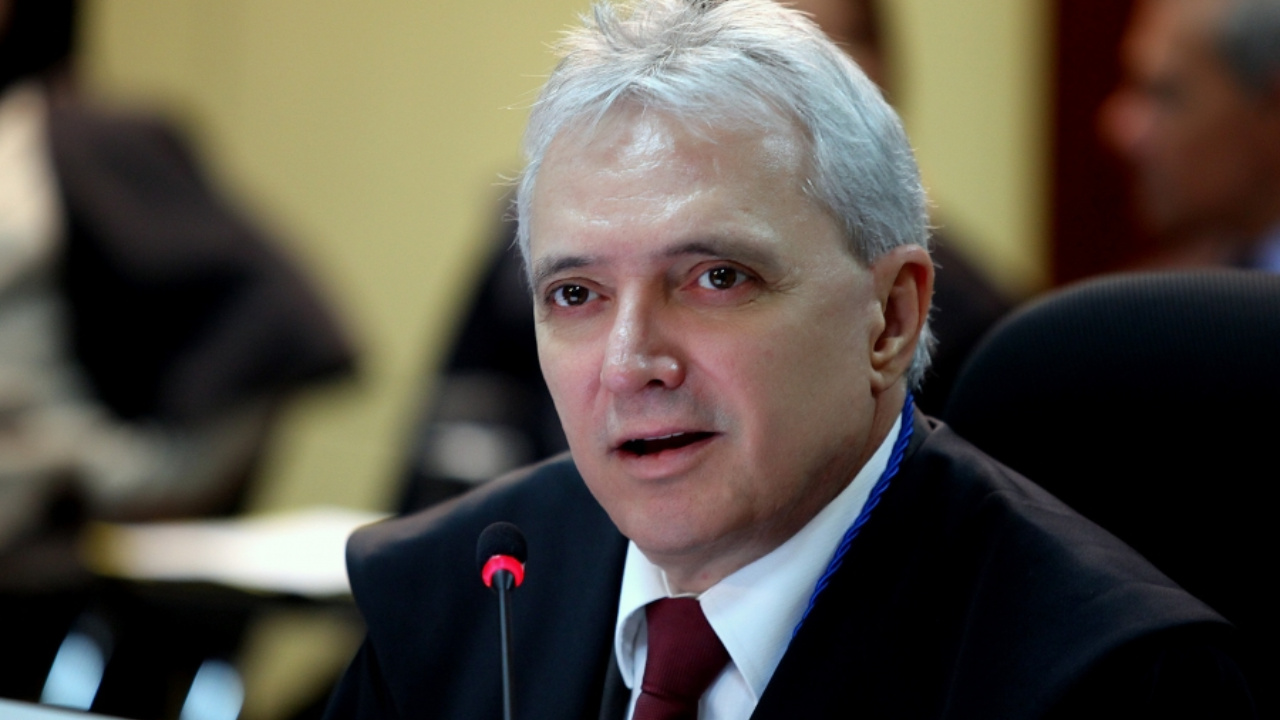

State Court of Accounts (TCE) Suspends Bidding of R$ 252 Million for Solar Energy Implementation After Identifying Serious Irregularities in the Notice. Lack of Technical Study and Restrictive Requirements Raised Suspicions About the Legality of the Process.
The State Court of Accounts (TCE) determined the immediate suspension of a R$ 252 million bidding aimed at the implementation of solar energy plants, after finding what were considered serious flaws in the notice, as reported on this Thursday, 09. The decision, on a provisional basis, was signed by advisor Antonio Joaquim, who pointed out defects capable of compromising both the legality and competitiveness of the process.
According to the rapporteur, the notice presented a series of structural irregularities, including the absence of a preliminary technical study and the misuse of the bidding modality – considered inadequate for high complexity engineering services. Furthermore, excessively restrictive requirements are said to have limited the participation of potential competitors, reducing the competitiveness of the bidding.
Disputed Bidding and Exclusion of Companies Raise Concerns About Transparency
The representation that led to the suspension was submitted by a competing consortium, which reported various inconsistencies and restrictions in the official document. According to the complaint, the notice did not establish clear rules for the participation of consortia, resulting in the disqualification of six out of seven registered companies even before the bidding phase. Thus, only one proposal remained eligible, raising doubts about the transparency and fairness of the bidding process.
-
More than 1,000 residents of a remote island in Kiribati now have clean water and electricity with solar systems operated by the community itself.

-
Island in Brazil Innovates by Installing 184 Solar Panels on Urban Lagoon to Generate Clean Energy
-
Japanese Island of 417 Residents to Test Living Half the Year Solely on Solar Power, Reducing Dependence on Diesel Brought by Ship
-
Brazilian Fishermen Use Solar Power to Produce Nearly One Ton of Ice Daily, Preventing Fish Spoilage Before Reaching Market



Another point raised by the TCE concerns the disproportionate economic and financial requirements. The notice required, for example, a minimum social capital of 4% of the estimated contract value and liquidity ratios greater than 2.0, criteria deemed to lack technical basis and that could restrict competition.
Lack of Parceling and Risks of Public Loss Concern Advisor
Advisor Antonio Joaquim also emphasized that the notice did not foresee the parceling of the object of the bidding, violating the principle of economy. The bidding planned, in a single lot, distinct services such as the installation of solar plants and the surveying of public lighting networks, making it difficult for companies specialized in only one of the areas to participate.
In justifying the decision, the rapporteur stated that maintaining the bidding could generate “irreparable or difficult-to-repair damages to public funds,” especially due to the high amount involved and the possibility of other agencies joining the price registration.
President of CIDESAT Must Comply With Suspension and Await Final Decision
With the provisional ruling, the president of the Intermunicipal Consortium for Economic, Social, and Environmental Development of the Territory (CIDESAT), Jadilson Alves de Souza, was notified to immediately suspend the bidding and all acts resulting from it.
The process will now be analyzed by the External Control Secretariat of Works and Infrastructure of the TCE, responsible for conducting the complete technical instruction and presenting an opinion on the merits of the representation.
The decision reinforces the role of the TCE in monitoring public contracts for solar energy, a sector that, while strategic for the energy transition and sustainability, requires technical rigor and transparency to ensure investment efficiency and avoid losses to the treasury.