Portuguese
  Spanish



How Integrated Digital Experience Improves Safety, Comfort, and Usability in Everyday Driving
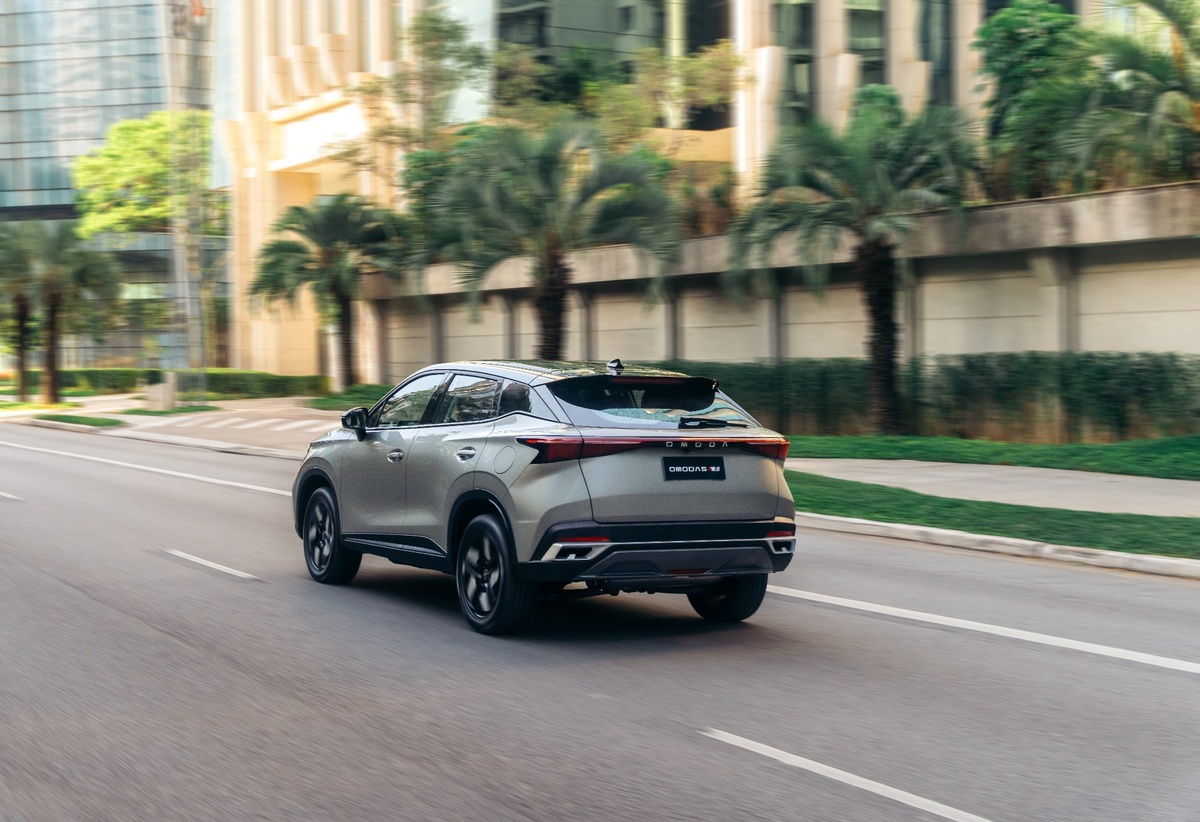
Since 2023, with the consolidation of global automotive digitization strategies, OMODA & JAECOO has been structuring its vehicles with a direct focus on functional digital experience, prioritizing real usability, active safety, and continuous comfort. Thus, instead of technological showcases, the brand adopts practical solutions that simplify daily driving.
Additionally, this proposal is based on five technological pillars, which organize interfaces, assistance, and systems logically. This way, the driver accesses features with fewer distractions, more operational fluidity, and greater predictability during daily use.
Multimedia as the Center of the Digital Experience
First and foremost, the multimedia center acts as the main axis of the vehicle’s digitization. The systems use the Qualcomm Snapdragon 8155 processor, launched in 2021, recognized in the industry for high graphic performance, quick responses, and multitasking stability, according to the manufacturer’s technical specifications from Qualcomm.
-
1983 Chevrolet Runs Over 100,000 km Without Gasoline, Powered by Wood Chips, Reaches 125 km/h in Airport Test

-
Workshop Converts Giant Tractor Tire Tricycle into a Three-Wheel Drive Hybrid with 36,000-Watt Electric Motor Capable of Climbing Hills

-
Sales of Brazil’s Cheapest Electric Car Halted Before First Deliveries: E-Motors Suspends Emova Easy Due to Import Tax Increase and Rising Freight Costs

-
Nissan Discontinues Qashqai SUV Amid Cost-Cutting, Chinese Competition, and Product Line Review



In the Omoda 7, the experience expands with a 15.6-inch sliding screen in 2.5K resolution, a groundbreaking technology in Brazil until 2024. Thus, the driver rearranges information according to use, reducing visual stimuli. Meanwhile, the Omoda 5 features a 24.6-inch dual-curved screen, integrating digital panel and multimedia into a single continuous unit.
Voice Commands as Direct Support for Driving
Next, the smart voice commands reduce the need for manual interactions. Functions such as media control, navigation, and climate control are triggered by voice. Therefore, the driver’s focus remains on traffic, especially in complex urban environments.
At the same time, the Jaecoo 7, launched in 2024, offers a plug-in hybrid version, combining a 1.5 turbo gasoline engine with electric motors, achieving 339 hp and 52 kgfm of torque. Furthermore, the system includes a fast charging mode, enhancing energy efficiency on urban and highway trips.
Menu Architecture Focused on Real Use
Right after, the organization of digital menus follows a logic based on usage frequency. Essential resources remain always accessible. Meanwhile, complementary functions are grouped intuitively, reducing navigation time.
In the Omoda 7, modes like nap mode and sobering mode allow adjustment of ambient lighting, climate control, and sound system with a single command. Meanwhile, the Jaecoo 7 offers a wide multimedia center, wireless mirroring via Apple CarPlay and Android Auto, wireless charger, and 360° camera, technologies that have been consolidated in the industry since 2022, according to Apple and Google.
Digital Consistency Across Different Mobility Proposals
At the same time, the digital experience remains consistent throughout the lineup. The Omoda 5 SHS expresses the concept “one SUV, two worlds”, balancing smooth urban driving and progressive power delivery.
Similarly, the Jaecoo 7 combines 4.50-meter length, refined finish, and premium adventurous style, maintaining a reduced learning curve. Thus, different usage profiles share the same interaction logic.
Integration of Technology, Safety, and Comfort
Finally, digitization directly integrates with vehicle safety and well-being. Models like Omoda 5 and Omoda 7 feature reinforced structures, multiple airbags, and advanced driving assistance systems, widely adopted in the global industry since 2020, according to technical reports from the automotive sector.
Therefore, by combining digital interfaces, smart assistance, and comfort solutions in a single ecosystem, OMODA & JAECOO reinforces a clear market trend: relevant technology is that which simplifies, protects, and adapts to the driver’s routine.