Portuguese
  Spanish


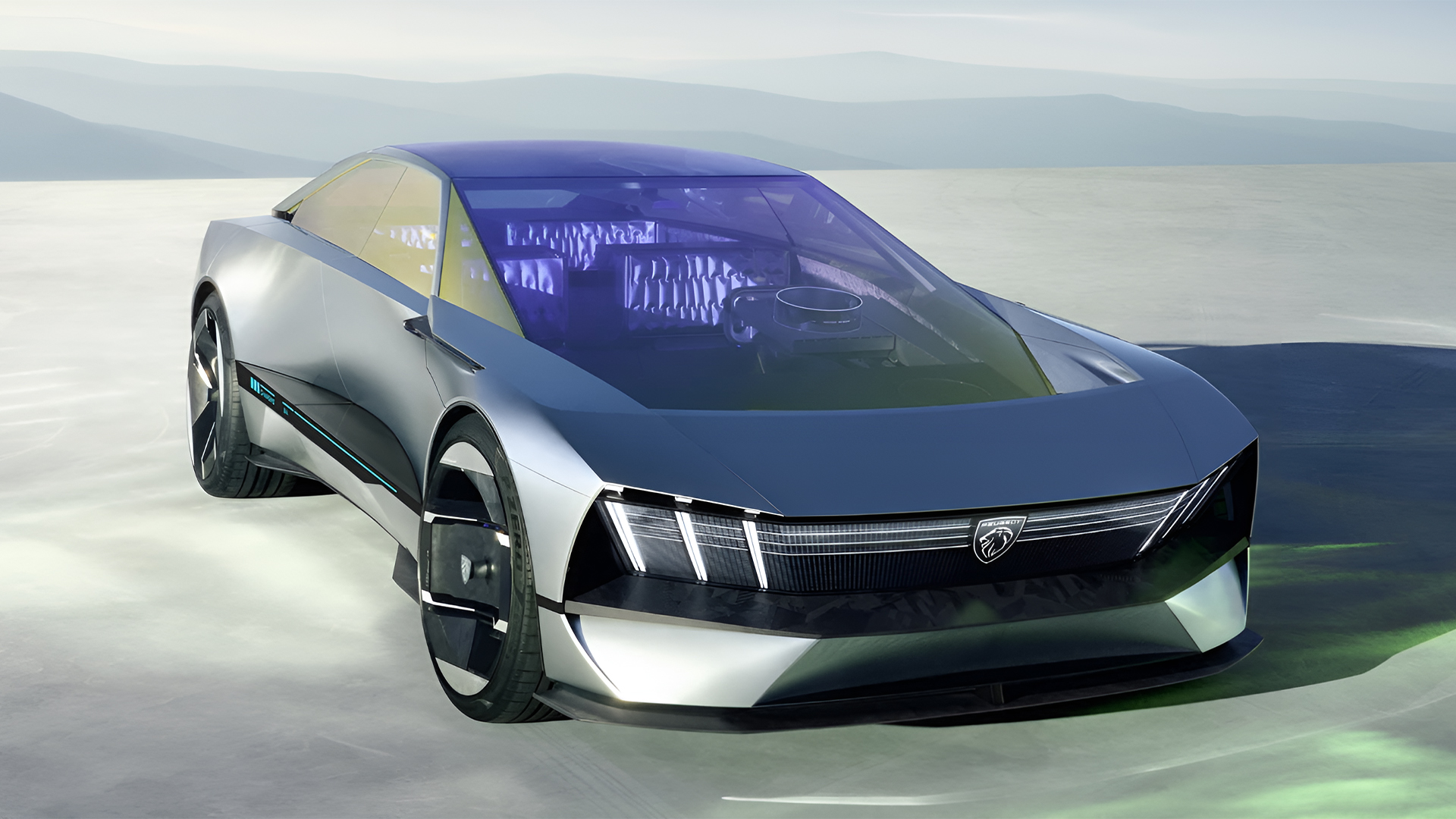

Peugeot Presented To The Public A Modular Technology That Promises To Prolong The Lifespan Of Automobiles For Years, Giving The Vehicle A Constantly New And Updated Appearance
The Peugeot presented a modular technology that aims, in the future, to keep its vehicles looking new for decades. Used cars will always be renewed by the corporation through a mix of remote software updates and the reuse of components.
This technique, according to the French brand, promises to slow down the depreciation of cars and goes far beyond the periodic or preventive maintenance that we know today.
At the annual E-Lion Day, an event dedicated to showcasing the company’s new technologies and products for the future, the idea that promises to extend the lifespan of automobiles for several years was presented to the public.
-
British Factory Transitions from Mechanical Parts to Producing 420,000 Electric Power Units Annually, Supplying 70% of Ford’s Electric Cars Sold in Europe

-
Toyota Shifts from Hybrid Cars to Electric Air Taxis with Joby’s 6-Rotor Aircraft, Capable of 322 km/h, Aiming for Mass Production to Electrify Urban Skies

-
Ferrari Unveils Limited Edition 12Cilindri Manuale: 6.5-Liter V12, 830 HP, 0-100 km/h in 2.9 Seconds, Top Speed Over 340 km/h, Only 1,499 Units Available

-
Discover the 2021 Fiat Cronos 1.3: Affordable Maintenance, Reliable Mechanics, and Fuel Efficiency of Up to 15.6 km/l


The Peugeot illustrated this modular technology with a real example, which was the Inception, the newest and most advanced concept car from the company, presented at CES 2023. The architecture of the car was built to be modular, allowing virtually any part of it to be replaced with very little effort. This flexibility extends to both the interior and exterior of the vehicle, as well as to the engine and battery.
The goal is to give the vehicle a completely new appearance, renovating previously used components and replacing internal components such as seats, steering wheels, and even the dashboard over many years.
When it comes to software, things become a bit less complicated. The automaker has committed to providing remote updates for a longer period of time, which will ensure that the vehicle’s systems also remain up to date.
According To Peugeot, With The New Modular Component Replacement Technology, The Car Can Look “New” For At Least 25 Years, Which Is More Than Twice The Average Lifespan Of A Vehicle In Brazil (10 Years And 2 Months)
The upcoming platform for Stellantis’ electric vehicles has been designed with the goal of extending the lifespan of automobiles by at least 25 years. Although the company has not provided many details on how and when it intends to implement all this, it is already well known that Stellantis has this goal in mind.
To give an idea, the 25 years provided by Peugeot’s modular technology is more than double the age of the typical vehicle on Brazilian roads, which, according to Auto Esporte, in a survey conducted in 2021, was 10 years and two months on average.
Starting in 2023, all new Peugeot vehicles sold in Europe will be electric vehicles. The company plans to have at least one fully electric version of each model available by 2025 and then transition to a completely battery-powered fleet by 2030.
Brazil will not be left out: according to the automaker, up to four electric vehicles may be imported to the country starting in 2024. The models e-308, e-408, e-Partner, and e-Boxer are just a few that may arrive here.