Portuguese
  Spanish


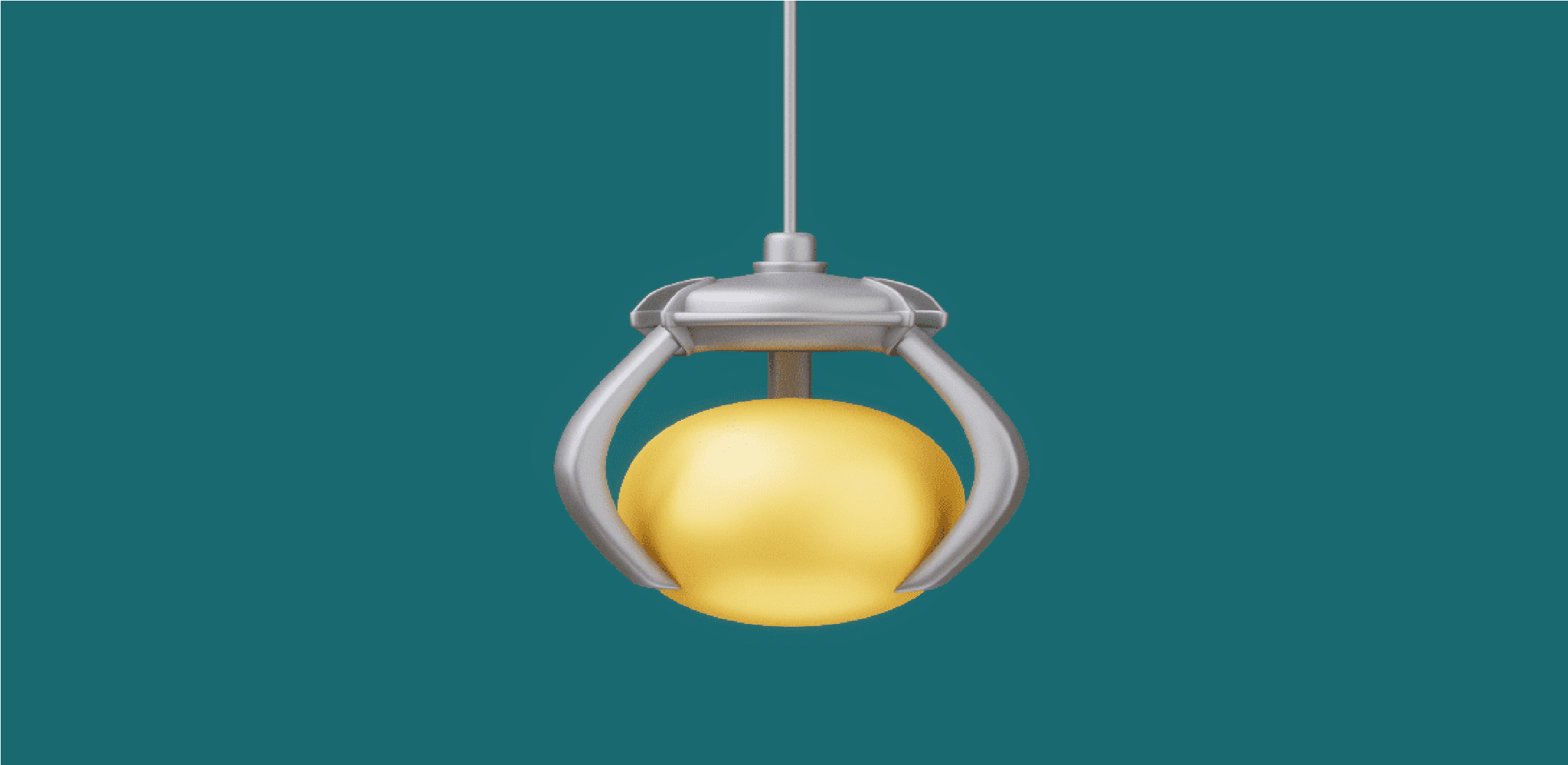

The New Robotic Gripper Technology Surprises With Its Lifting Capacity and Unmatched Performance
Robotic grippers, while incredibly useful tools for object manipulation, often have limited lifting capacity. However, a remarkable technology has been developed in the field of robotics thanks to the efforts of researchers from the Intelligent Robotics Research Center at the Korea Advanced Institute of Science and Technology. They developed an astonishing robotic gripper that, despite weighing only 130 grams, is capable of lifting objects over 100 kilograms, according to the website Olhar Digital.
Innovating With the New Robotic Gripper Technology
The feat of this revolutionary robotic gripper lies in its unique approach to structure. Instead of relying on rigid materials, the research team adopted a textile-inspired approach. They used a weaving technique that interlaces the threads into a durable fabric. This technique has been well-known in the textile industry for years. Additionally, the team designed the claws of the gripper with a thin PET plastic that intertwines and unravels from the thread structure as needed to lift an object.
This innovative approach allows the robotic gripper to be surprisingly lightweight and incredibly strong. This exceptional load capacity opens doors to a wide range of applications where strength and delicacy are equally important.
-
Humanoid Robots Begin Replacing Workers in Repetitive Roles as Companies Accelerate Industrial Automation

-
Humanoid Robots Begin Replacing Factory Workers in China, Working 64-Hour Shifts and Driving Industrial Automation Forward

-
Miniature Nuclear Reactor to Be Installed in South Wales, Powering 20,000 Homes and Reviving UK’s Nuclear Industry After Nearly 50 Years
-
San Andreas Fault Reaches “Highest Tension in 1,000 Years,” Raising Fears of the “Big One,” but New Study Identifies Key Zone Near Los Angeles Influencing Earthquake Impact



Fast, Economical, and Adaptable Technology
In addition to its remarkable lifting capacity, the robotic gripper technology offers several other advantages. It is fast and economical to produce. Thanks to its plastic-based design, the production cost is low, approximately US$ 2 per unit, making it highly competitive compared to conventional solutions.
The adaptability of this gripper is another strong point. Although it is made from thin PET plastic, it can be replicated in a variety of materials according to the specific needs of each application. This includes the possibility of producing it in rubber or elastic compounds, which further broadens its utility spectrum.
Moreover, the robotic gripper is incredibly time-efficient. Its manufacturing can be completed in less than 10 minutes, making it an agile choice for various situations. Additionally, weighing less than 130 grams, it is easily transportable, enhancing its versatility in diverse environments.
A Breakthrough in Robotics
The robotic gripper technology that can lift over 100 kilograms while weighing only 130 grams is a remarkable breakthrough in robotics. It challenges the traditional limitations of weight and strength of robotic grippers, opening exciting possibilities for a wide range of industrial applications and beyond.
Ongoing research and development in this field have the potential to revolutionize the way robotics is applied across many sectors, making it more effective and versatile. As more innovations like this robotic gripper emerge, we can expect a significant shift in automation and robotics, improving efficiency and safety in many aspects of our daily lives.