






 Portuguese
  Spanish


Teenager from Curitiba gained more than 40 kilos in a few months, showed high blood pressure, and discovered a benign tumor less than 1 centimeter.
A rapid and concerning change transformed the routine of Gustavo de Oliveira, a teenager from Curitiba, a fan of Athletico-PR and a muay thai practitioner.
At the beginning of 2025, Gustavo weighed less than 70 kilos. By the end of the same year, however, the teenager had already reached 113 kilos.
The weight gain continued even with frequent exercise and dietary care. Behind the situation was a benign pituitary tumor, located at the base of the brain.
-
19-Year-Old Develops Fishing Game on Roblox from a Trailer in Canada, Now Earning $400,000 Monthly with Lego and Walmart Advertising on Digital Rods

-
University of Sydney Student Creates Artificial Cosmic Dust in Lab to Help Uncover the Origins of Life

-
Table Salt Sodium Emerges as Billion-Dollar Bet for Cheaper Electric Vehicle and Energy Storage Batteries

-
Ultrasound Body Scanner Promises Full-Body Mapping in 60 Seconds Without Radiation or Contrast, Enhanced by AI for a Faster, More Comfortable Preventive Exam Experience


The small tumor altered hormone production and caused excess cortisol in the body. The condition was diagnosed as Cushing’s disease.
Headaches and high blood pressure raised the alarm
Silmara de Oliveira, Gustavo’s mother, noticed the first worrying signs in June 2025.
The teenager had been complaining of headaches for a few days. In light of this, the mother decided to measure his blood pressure with a device available at home.
The result indicated high blood pressure. The family even suspected a possible defect in the equipment.
Other symptoms, however, were already drawing attention. Gustavo showed excessive appetite and would eat three plates in a single meal.
Consultations with doctors and nutritionists led the family to adjust the diet. Gustavo also practiced up to three muay thai classes per week.
The care did not prevent the weight gain. The more the family controlled the diet, the more the teenager gained weight.

Ankle injury led to a broader investigation
An injury suffered during a muay thai training changed the course of the story in September 2025.
Gustavo’s ankle became very bruised. The mother then decided to take him to an emergency room.
The X-ray did not reveal any fracture. The attending doctor, however, noticed that other signs required a more detailed evaluation.
The teenager returned the next day and was referred to Hospital Pequeno Príncipe, a reference in pediatric care in Paraná.
The physical condition was already quite compromised. Gustavo reported difficulties walking, breathing, and performing simple tasks.
Tests confirmed a disease considered rare
A series of tests were conducted to identify the cause of the symptoms.
The definitive diagnosis emerged in mid-October 2025. Gustavo had Cushing’s disease, a rare condition among children and teenagers.
International estimates cited in the case point to approximately one new diagnosis for every million children per year.
Carlos Mattozo, a neurosurgeon at Hospital Pequeno Príncipe, explained that the condition was related to the benign tumor found in the pituitary gland.

How did the tumor alter Gustavo’s cortisol?
The pituitary gland produces the hormone ACTH, responsible for stimulating the adrenal glands.
These glands are located above the kidneys and produce cortisol. In Gustavo’s case, the tumor caused an excessive release of ACTH.
The body consequently started producing cortisol at very high levels.
The main effects included:
- accelerated weight gain;
- body swelling;
- more rounded face;
- fat accumulation in the chest;
- high blood pressure;
- difficulty breathing.
Mattozo stated that he had treated only four similar cases in nearly 30 years of career.
Surgery through the nostrils removed the tumor
The indicated treatment consisted of surgically removing the tumor.
Gustavo was frightened upon receiving the news. The teenager imagined that the doctors would need to open the skull.
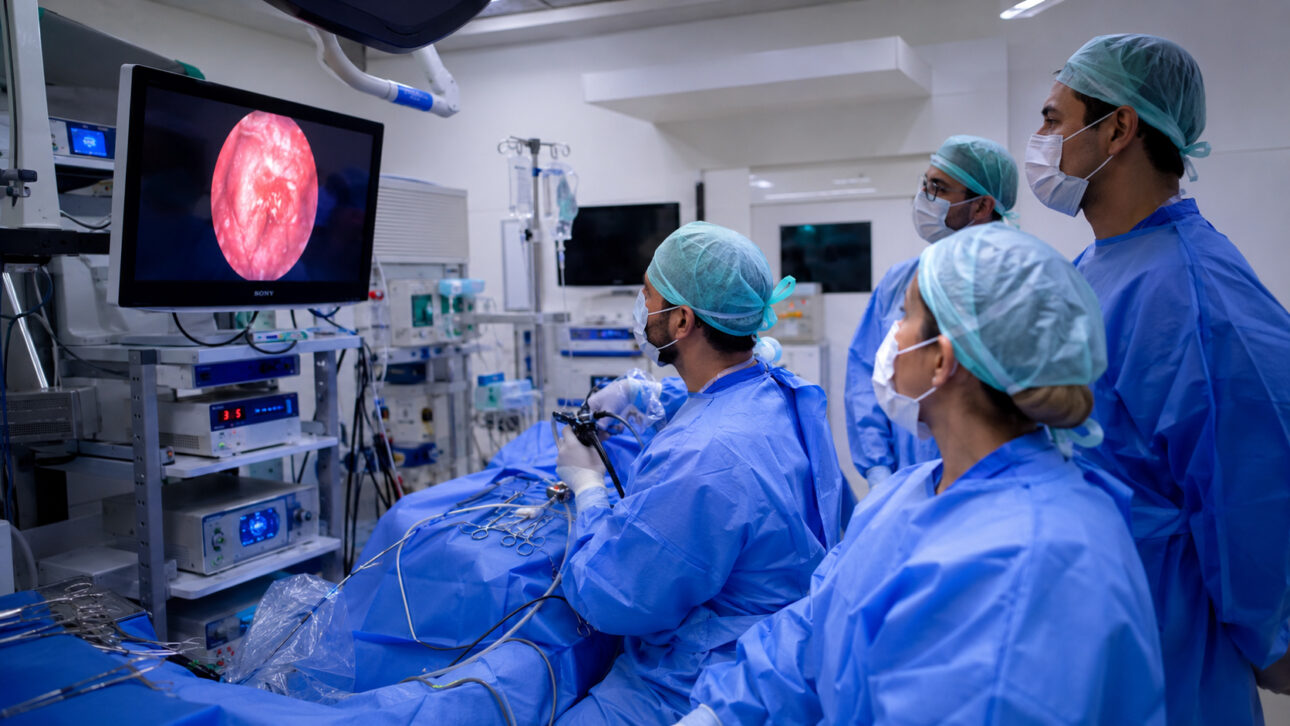
The procedure, however, was performed through the nostrils, with fiber optic cameras and small instruments.
The medical team reached the pituitary gland through the sphenoid bone, located behind the nose.
The surgery took place in December 2025, lasted about two hours, and was considered successful.
Recovery requires hormone replacement
The removal of the tumor interrupted the abnormal stimulus that maintained elevated cortisol production.
The body experienced a sudden reduction in the hormone. Gustavo had fatigue, headaches, and expected hormonal changes after the procedure.
Recovery began to include frequent tests and hormone replacement.
The previous excess of weight and cortisol left impacts on the liver, eyes, heart, and blood pressure.
Teen lost 15 kilos and went into remission
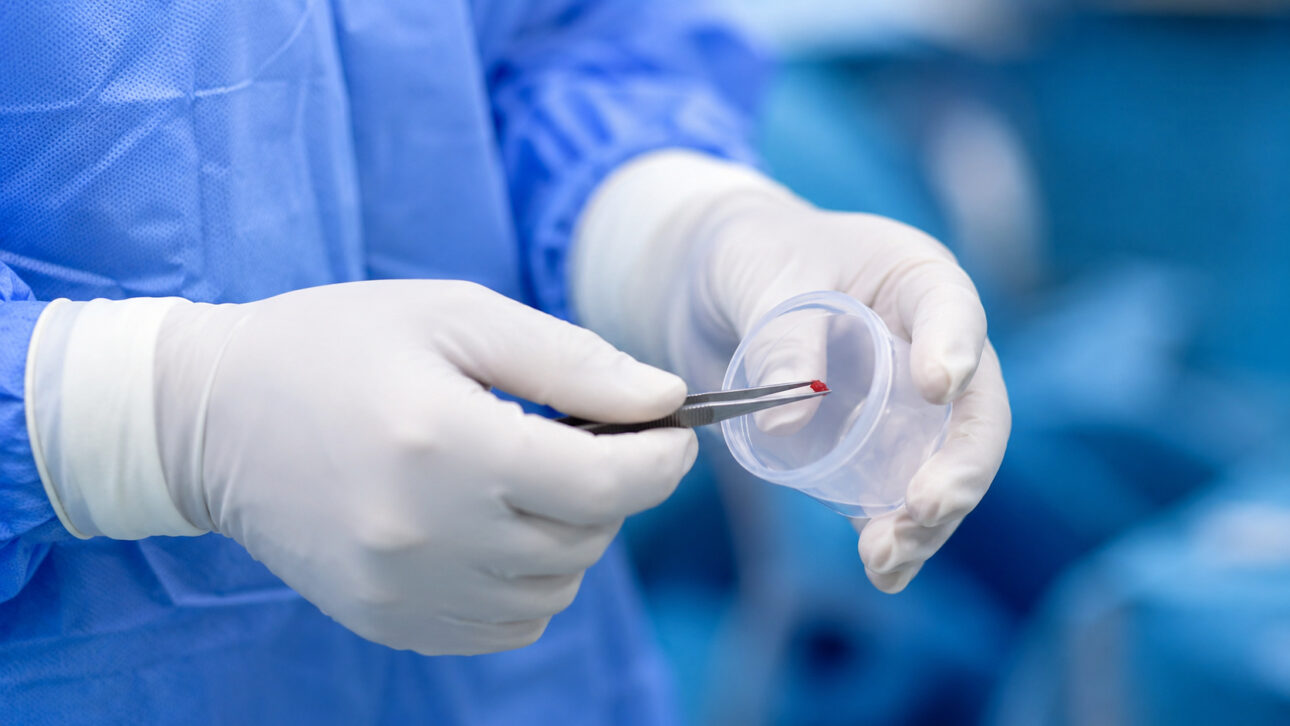
Gustavo lost approximately 15 kilos during the first half of 2026.
The teenager is considered a patient in remission from Cushing’s disease.
Annual evaluations will be necessary to check for a possible return of the tumor.
Cases like this reinforce the importance of investigating rapid weight gains accompanied by high blood pressure and other symptoms.
Gustavo decided to share his experience to alert other families and encourage a quicker search for the correct diagnosis.
Nominal sources: BBC News Brasil, Hospital Pequeno Príncipe, neurosurgeon Carlos Mattozo, Gustavo de Oliveira, and Silmara de Oliveira.
Do you believe that sudden changes in weight should lead more quickly to a hormonal investigation? Share your opinion!


