Portuguese
  Spanish


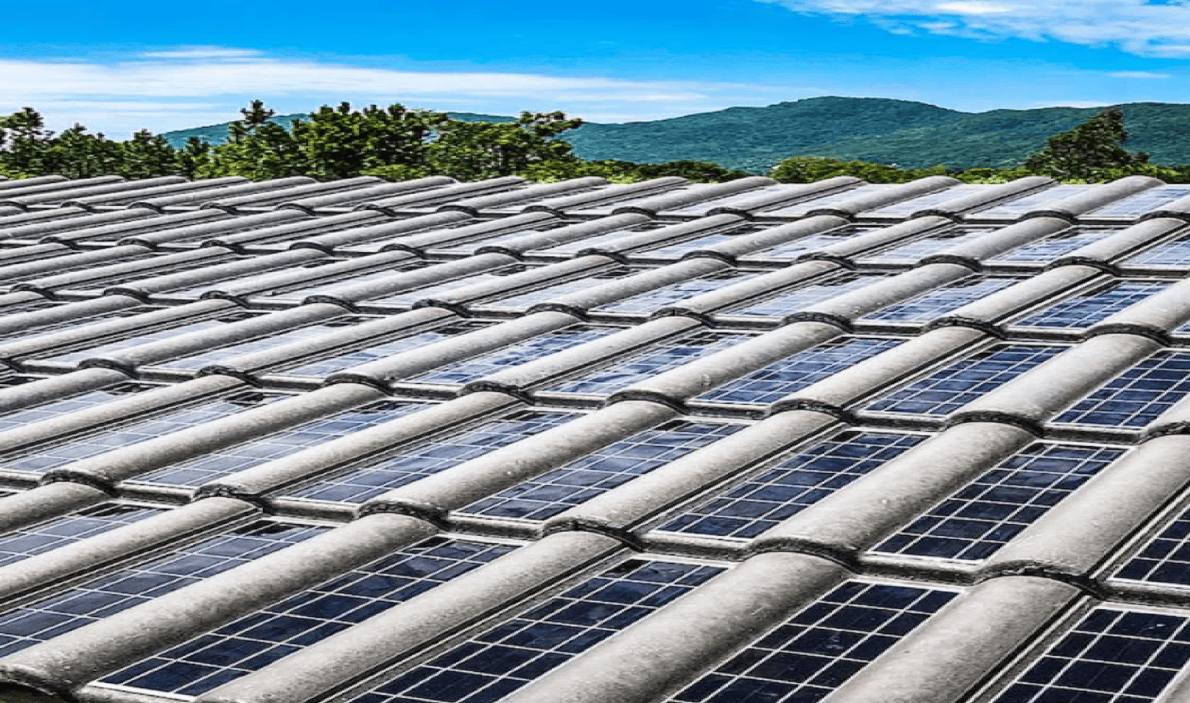

Eternit Receives Certification to Market Photovoltaic Roof Tiles That Promise to Reduce Costs and Boost Sustainability in the Construction Sector
The solar tiles are officially ready to enter the Brazilian market, representing a revolution in the clean and sustainable energy sector. The National Institute of Metrology, Quality and Technology (Inmetro) granted Eternit, a traditional construction materials manufacturer, the certificate that authorizes the sale of its concrete tiles capable of generating solar energy. These tiles feature integrated photovoltaic cells that capture sunlight, converting it into electricity and replacing the need for traditional solar panel installations, according to the website De Olho na Engenharia.
Produced by Tégula Solar, a company of the Eternit group, the photovoltaic tiles are manufactured in Atibaia, in the interior of São Paulo, and offer a promise of significant savings for consumers, as well as boosting renewable energy in the country. With this innovation, Brazil takes another important step towards sustainability in the civil construction sector, while providing a more affordable alternative for those wishing to install solar energy systems.
Solar Tiles: How They Work and How Much They Cost?
Eternit’s solar tiles are developed with directly attached photovoltaic cells, eliminating the need to assemble structures for solar panels on roofs. According to the company, each tile measures 36.5 cm by 47.5 cm and has a power of 9.16 Watts, generating an average monthly of 1.15 kWh. For a small house, Eternit estimates that around 150 solar tiles would be needed, while larger homes may require up to 600 units.
-
Brazilian scientists are simultaneously advancing two research projects on clean hydrogen and driving solutions that could transform the energy matrix, enhance industrial competitiveness, and accelerate large-scale emission reduction targets.

-
Advancement in renewable energy: A R$ 150 million project launched by Petrobras and Finep aims to create state-of-the-art electrolyzers for green hydrogen, strengthening national research and preparing Brazil to compete in a billion-dollar energy market.
-
Solar energy can increase property value by up to 10% and become a selling point.
-
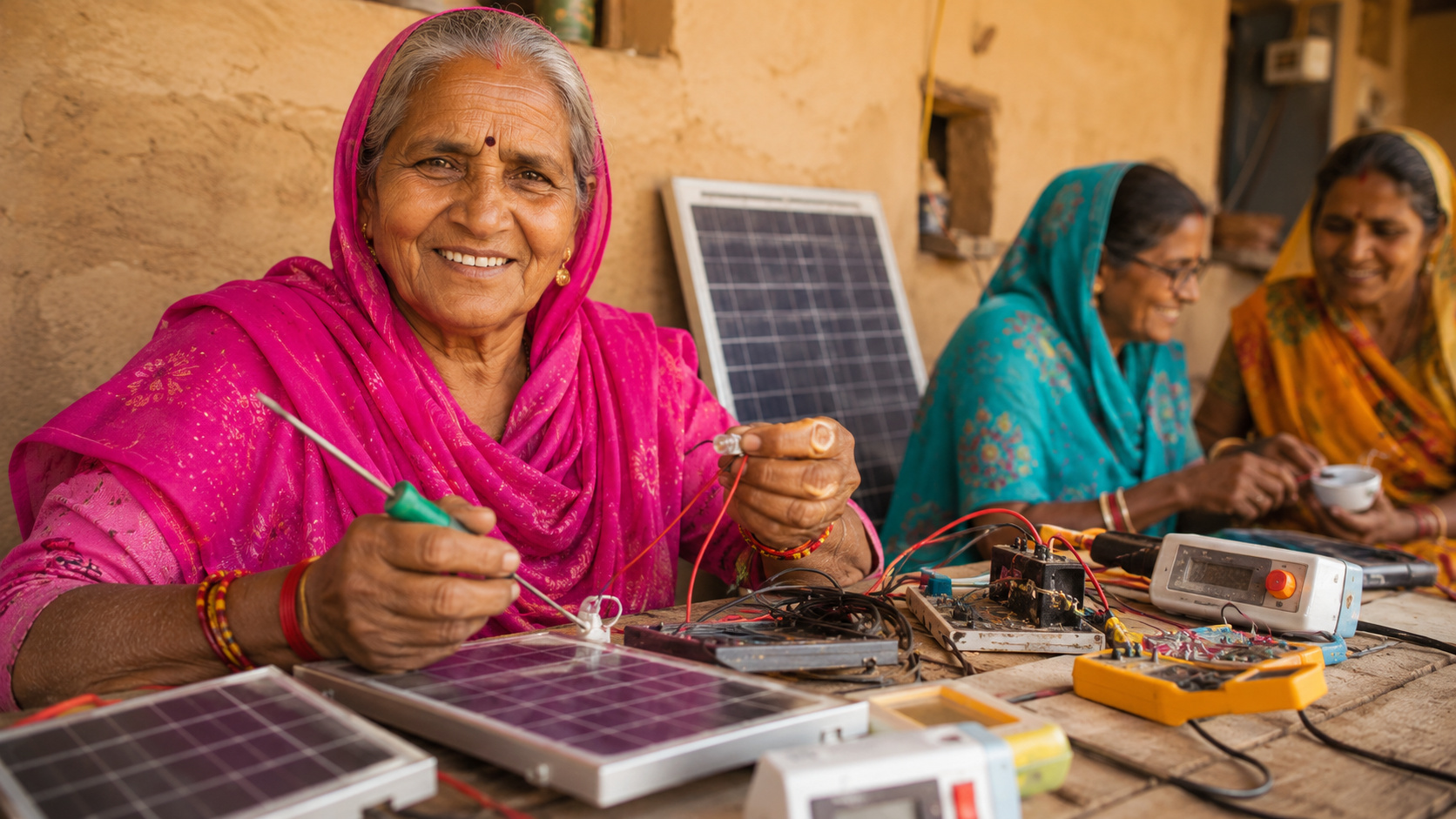
Illiterate or semi-literate grandmothers were trained to repair solar systems, open rural workshops, and light up homes that still depended on kerosene.





The great advantage of these tiles is the ability to reduce the cost of a solar energy system by up to 20%, according to the manufacturer. Additionally, the estimated time for the total return on investment is three to five years, making it a viable and competitive option compared to traditional solar generation systems, especially for those who are building or renovating and would already need to purchase conventional tiles.
However, for now, only a select group of customers is receiving the solar tiles, as Eternit was still waiting for Inmetro certification to release sales to the general public. With the agency’s endorsement, the expectation is that large-scale commercialization will begin in mid-2021.
National Production and Benefits for the Brazilian Economy
The production of solar tiles in Brazil brings benefits not only to the end consumer, but also to the national industry. The local manufacturing of these renewable energy devices creates jobs, promotes technological development, and strengthens the country’s production chain. For Eternit, which is already a well-established name in the construction sector, this innovation represents a bet on the future of solar energy, a segment that is growing exponentially worldwide.
However, the Brazilian government’s decision to exempt the import tariff for over 100 types of photovoltaic equipment, including solar modules, has sparked a reaction in the national industry. Local manufacturers argue that the measure places national products at a competitive disadvantage, as imported items could enter the country at lower prices, making it difficult to establish a Brazilian solar industry.