






 Portuguese
  Spanish


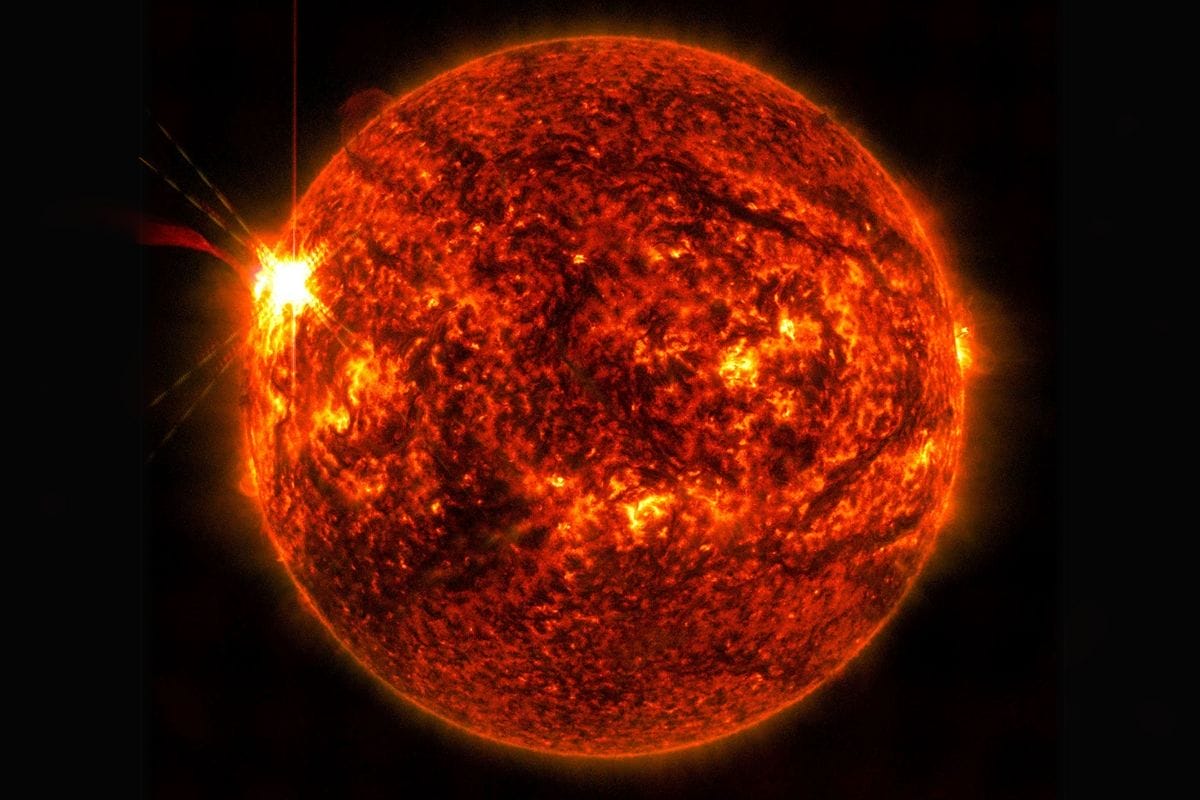


A Powerful X2.7 Solar Storm Hit Earth and May Affect GPS, Internet, and Electrical Systems in the Coming Days. Understand What’s Happening with the Sun
One of the largest solar explosions in recent years caught scientists off guard and may directly affect the lives of those here on Earth. The solar storm recorded on May 14 was classified as X2.7, one of the most intense of the current phase of the solar cycle, and that’s significant.
For those who are not familiar with this type of event, we explain: the Sun has activity cycles lasting about 11 years, and at this moment it is approaching the peak of the so-called Solar Cycle 25. This means that it is more “agitated,” releasing more explosions and coronal mass ejections. And that is exactly what happened now.
What Is an X-Class Solar Storm?
Solar explosions are released at different levels of intensity: A, B, C, M, and X, with X being the strongest of all. Within the X category, the higher the number, the greater the power. And the one that hit Earth now was an X2.7, meaning it is extremely powerful.
-
Award-Winning Japanese Restaurant Reveals It Has Preserved Part of the Same Frying Oil for 66 Years

-
American Youth Transforms from Severe Obesity to U.S. Air Force Enlistment, Losing 90 Kilograms in Two Years
-
The Trap of Modern Technology: How Screen Overload and Digital Connections Can Impact Your Mental Health and Well-being
-
Wyoming Couple Grows Tropical Fruits Year-Round in -40°C Using Geothermal Greenhouse, Demonstrating Earth’s Heat Can Produce Oranges and Lemons in Snow Without Traditional Heating


According to the official NASA website, this type of eruption releases an enormous amount of radiation, capable of causing interference in radio systems, satellites, GPS, and even affecting electrical networks, depending on the intensity with which this energy reaches here.
And What Has Been Affected So Far?
Shortly after the eruption, various regions in the Middle East and Asia reported temporary failures in radio communications. Airplanes, vessels, and even military operations relying on this type of system may have been impacted.
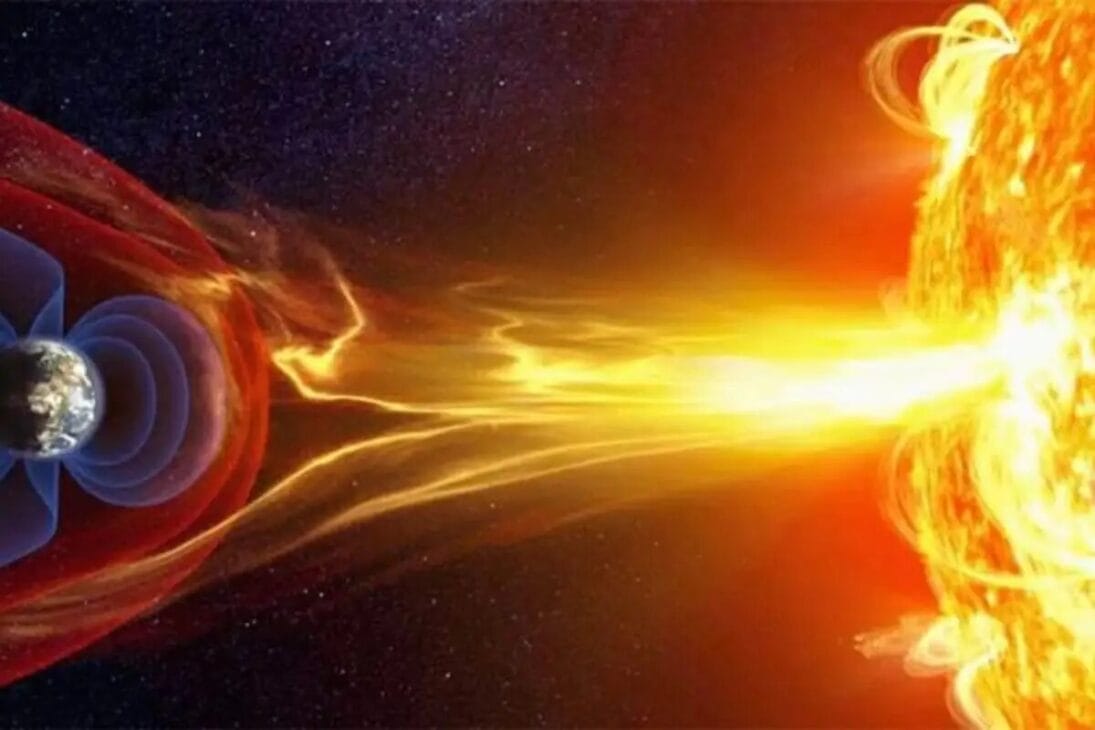
Additionally, a coronal mass ejection (CME) was also detected. This is basically a giant cloud of charged particles that, upon reaching the Earth, interacts with the planet’s magnetic field. The result? Risk of geomagnetic storms that can cause:
- Instability in GPS and navigation systems
- Loss of satellite internet signal
- Damage to satellites in orbit
- Interference in the transmission of electricity in some regions
According to Space.com, this was the strongest explosion of 2025 so far — and it may not be the last.
Can You See the Northern Lights in Brazil?
Not yet. But in extreme events like this, there is a chance for auroras to appear further south than usual. In countries like Germany, the United Kingdom, and even parts of the United States, many people have already started capturing spectacular photos.
But hold on: here in Brazil, this is still unlikely. However, if new explosions occur in the coming days and are more directed toward our side of the planet, it cannot be entirely ruled out. Just imagine seeing the Northern Lights in Minas Gerais? That would be historic.
What to Expect Now?
The sunspot responsible for this explosion, called AR3664, is still visible and should remain active for a few more days. Scientists from NASA and NOAA (the American agency monitoring space weather) are keeping a close watch.
In fact, there is a chance of new M-class explosions or even another X in the coming days. If that happens and the ejection is pointed directly at Earth, things could get more intense. For now, the alert remains at a moderate level.
Is This Dangerous for Us?
For those on the ground, living their daily lives normally, the impact is usually small. Most of the radiation is blocked by the Earth’s atmosphere, so there is no reason for panic. However, those who depend on sensitive systems, such as energy operators, satellite internet, military communications, or aviation, should stay alert.
Companies like SpaceX, Starlink, and satellite internet providers already have safety protocols for this type of event, but temporary interruptions may still happen.
Can You Follow This Live?
Yes! You can follow real-time updates on the NASA website and also on NOAA’s channel. Additionally, pages like SpaceWeather.com and SolarHam provide alerts and updated graphs all the time.
If you enjoy astronomy or just want to know if your internet signal is going to drop out of nowhere, it’s worth checking out.


