






 Portuguese
  Spanish


Monumental Structure And Biometric Technology Place Abu Dhabi At The Forefront Of Global Aviation, Launching A New Level Of Efficiency, Sustainability And Travel Experience.
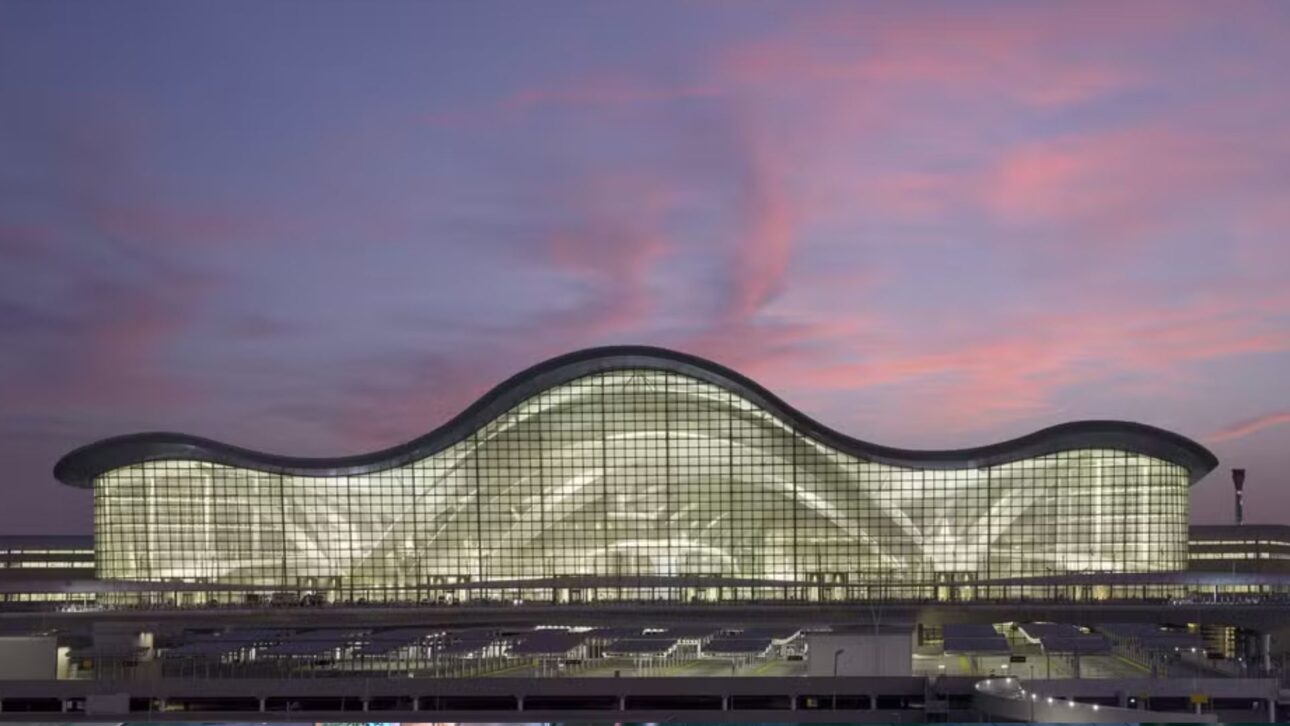
In November 2023, the aviation landscape in the Middle East gained a new protagonist: Terminal A of the Zayed International Airport in Abu Dhabi.
With 742,000 square meters under a single roof and a modular “X” shaped structure, the terminal enters operation with a capacity for 45 million passengers per year, and can be expanded to 65 million in the coming years.
More than just a physical mega-structure, Terminal A represents a technological leap.
-
Eight Artists Secretly Lived in a Hidden 70m² Apartment Inside a Shopping Mall in Brazil for Four Years

-
Artist Lives in Giant Wooden Egg Over a UK River to Observe Tides and Environmental Changes
-
Over 20 Metal Drums Repurposed into School Transport Train Boost Attendance in Australian Aboriginal Community

-
Abandoned Coal Crane at Copenhagen’s Old Port Transformed into Luxury Waterfront Retreat with Spa and Ship Views




This is the first major airport in the world designed from the start to operate with 100% biometric check-in, without the need for physical documents at any stage of the journey.
Biometric Technology: The Future Of Boarding
The Smart Travel project, implemented alongside the terminal’s opening, allows passengers to use only their faces to pass through check-in, baggage drop, passport control, and boarding gates.
Everything is done with facial recognition — from entering the terminal to final boarding.
The technology, besides reducing queues, promises to increase security and efficiency of procedures.
Currently, five biometric points are active in key areas of the terminal, with plans to expand to nine by 2024.
The expectation is that the entire boarding process will take less than 20 minutes for domestic flights and about 30 for international flights.
Sustainability And Energy Efficiency
In addition to digital innovation, Terminal A also stands out for its sustainability.
The parking lot is covered with solar panels that generate up to 3 megawatts of energy, reducing CO₂ emissions by more than 5,000 tons per year.
The building also features intelligent ventilation systems and natural light utilization, which improves thermal comfort and reduces energy consumption.
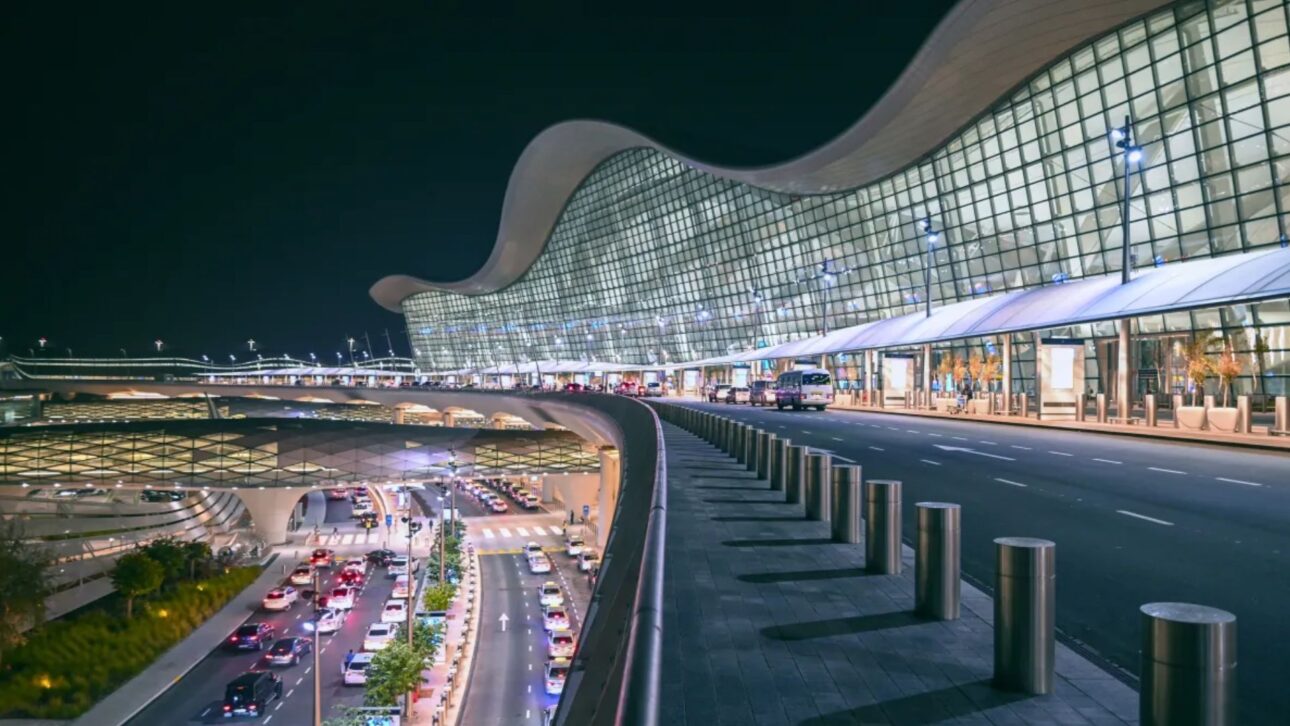
With 79 aircraft positions and the capacity to process up to 11,000 passengers per hour, Terminal A is already beginning to alleviate air traffic in the region and offers new infrastructure for Etihad Airways and partner airlines, which fully migrated to the new space in 2023.
New Hub Competition In The Middle East
The growth of Terminal A reinforces Abu Dhabi’s intention to compete directly with neighbors like Dubai and Doha in the race for tourists, business, and air connections.
The city, which previously had a smaller airport, now positions itself strongly as a strategic destination between Europe, Asia, and Africa.
For the Brazilian public, this change represents more options for routes and quick connections, especially for destinations in Asia, without going through congested hubs.
Architectural And Infrastructure Highlights
- The architecture of the terminal, with large glass domes and an “X” structure, facilitates passenger distribution and natural lighting.
- The total investment in the project exceeded 3 billion dollars.
- The terminal offers over 160 stores and restaurants focusing on international brands.


The Advancement Of Biometrics In Global Aviation
With the advancement of biometrics, Abu Dhabi is anticipating a trend that is set to spread to airports around the world.
The promise of a smooth, secure, and paperless experience could transform the way we travel internationally — and position the capital of the United Arab Emirates as a protagonist of this new era.
Will other major international airports adopt biometric technology on a large scale, permanently changing the passenger experience?




