Portuguese
  Spanish


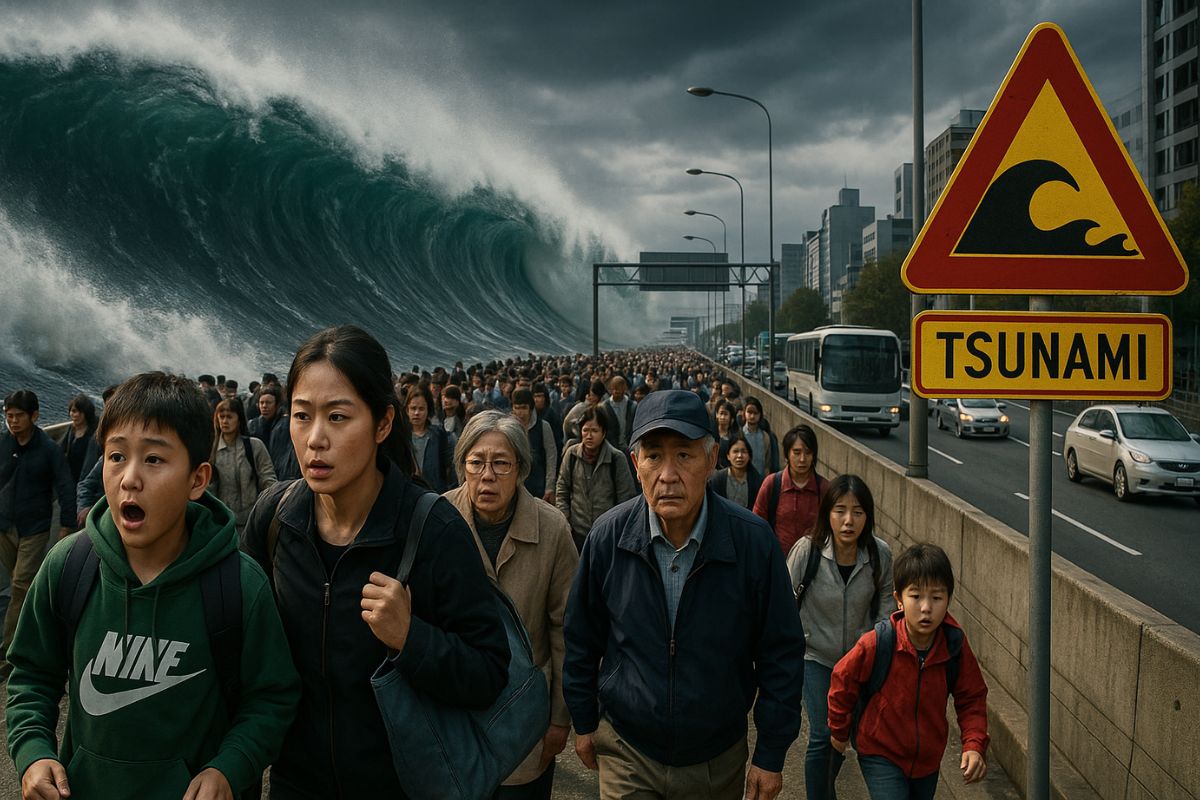


Giant Waves and Mass Evacuation Mark the Impact After Magnitude 8.8 Earthquake in the Kamchatka Peninsula
Tsunami Hits Russia and Japan after an earthquake of magnitude 8.8 was recorded this Thursday (local date) in the Kamchatka Peninsula, in the far eastern part of Russia. The tremor generated waves of up to 4 meters and put countries like Japan, Hawaii, and the United States on alert.
The epicenter was located about 125 km southeast of Petropavlovsk-Kamchatsky, at a depth of 19.3 km. Its proximity to the coast facilitated the formation of the tsunami, according to the USGS (United States Geological Survey). Russian and Japanese authorities evacuated coastal areas as a precaution.
High Alert and Immediate Evacuation
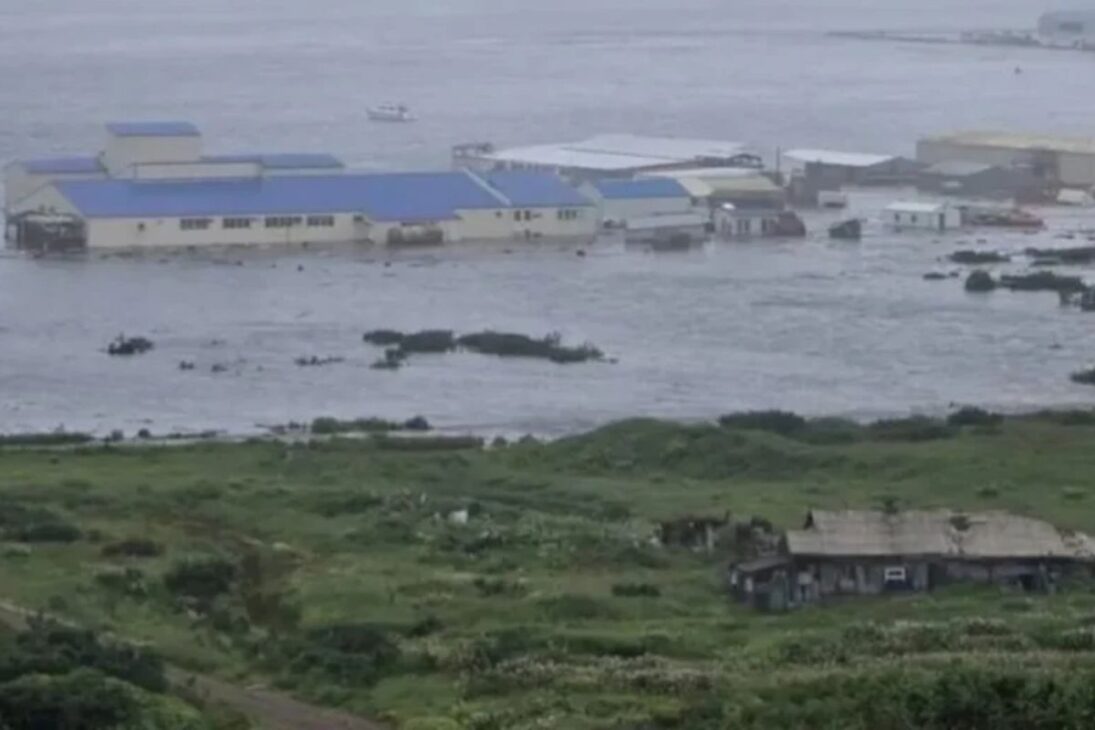
After the tremor, the Pacific Tsunami Warning Center, in coordination with the USGS, issued alerts for the entire region, including Japan, Russia, Hawaii, and parts of the U.S. West Coast. Initial images from the Kamchatka Peninsula show flooded areas and destruction in coastal villages.
-
Brazilian Airport to Receive $2.8 Million Investment, Completion Expected Within a Year

-
UN Warns of AI’s Environmental Impact and Calls for Greater Corporate Transparency

-
Former Atacadão Employee Turns Online Cake-Baking Lessons into a Confectionery Brand with Factory, Store, Delivery, and Nearly $400,000 in Revenue
-
Brazilian Startup Sells Nearly 9 Million Surprise Bags of Near-Expiry Food, Prevents Thousands of Tons of Waste, Aiming for $42 Million Revenue by 2026




In Japan, the Meteorological Agency warned of waves up to 3 meters along the eastern coast. Bullet trains were temporarily suspended and thousands of residents were directed to shelters in regions such as Hokkaido and Tohoku.
Why Was the Risk So High?
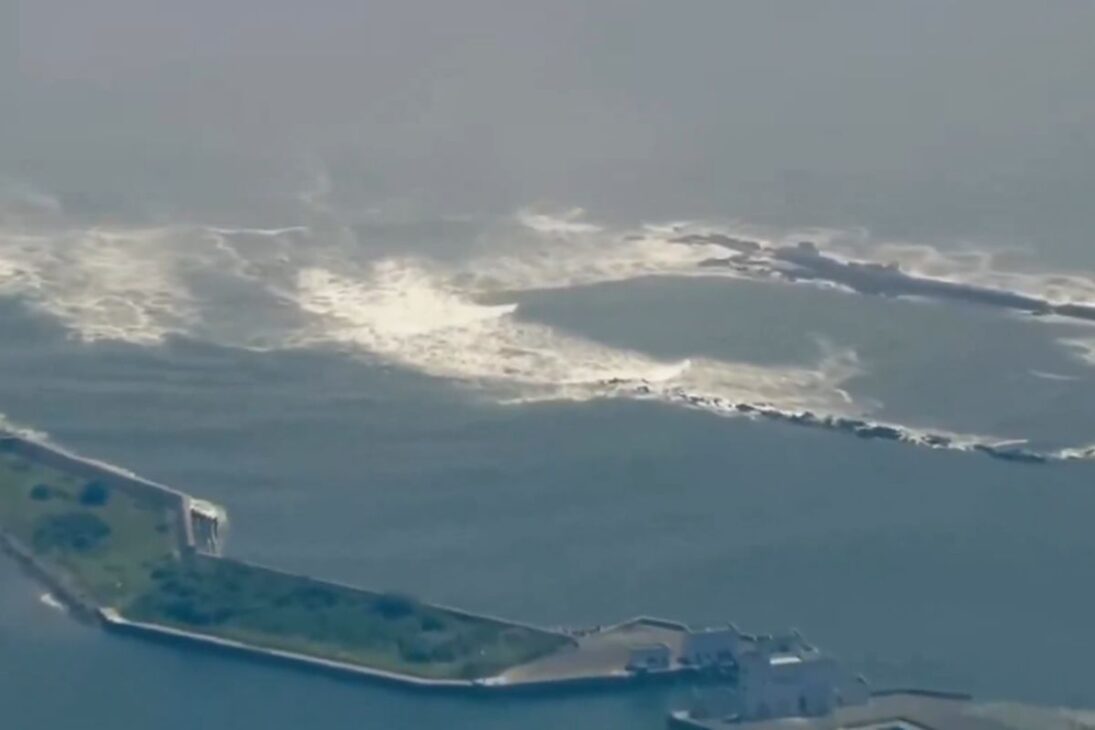
The magnitude 8.8 of the tremor places it among the strongest in recent history. Experts from Michigan Tech University explain that earthquakes above 8.5 have the potential to displace large volumes of water and generate devastating tsunamis, like the one that occurred in Japan in 2011.
In this case, the shallow epicenter and the geological location — right in the subduction zone of the Pacific Ring of Fire — increased the risk. The Kamchatka Peninsula is one of the regions with the highest seismic activity in the world.
What Changes From Now On?
With the ongoing episode, affected countries have reinforced emergency and monitoring protocols. In the United States, the NOAA (National Oceanic and Atmospheric Administration) issued alerts for areas in Alaska, Oregon, and California.
The Hawaii temporarily suspended school activities and recommended that vessels avoid coastal areas. In Japan, the government raised the alert level at nuclear plants in the northeastern region, based on preventive measures adopted since 2011.
Continuous Monitoring and New Updates
The situation is still developing. Organizations such as the Pacific Tsunami Warning Center and the Russian Seismic Research Institute continue to issue periodic bulletins. There is still no official confirmation of casualties, but local authorities indicate material damage in at least three Russian locations.
Tsunami Hits Russia and Japan with unusual force, reigniting the debate on emergency preparedness in high-risk coastal areas. The population should follow official information channels and heed the guidance of local governments.
Do you live in any Pacific region or have you witnessed events like this? Share your experience and keep up with new updates.