Portuguese
  Spanish


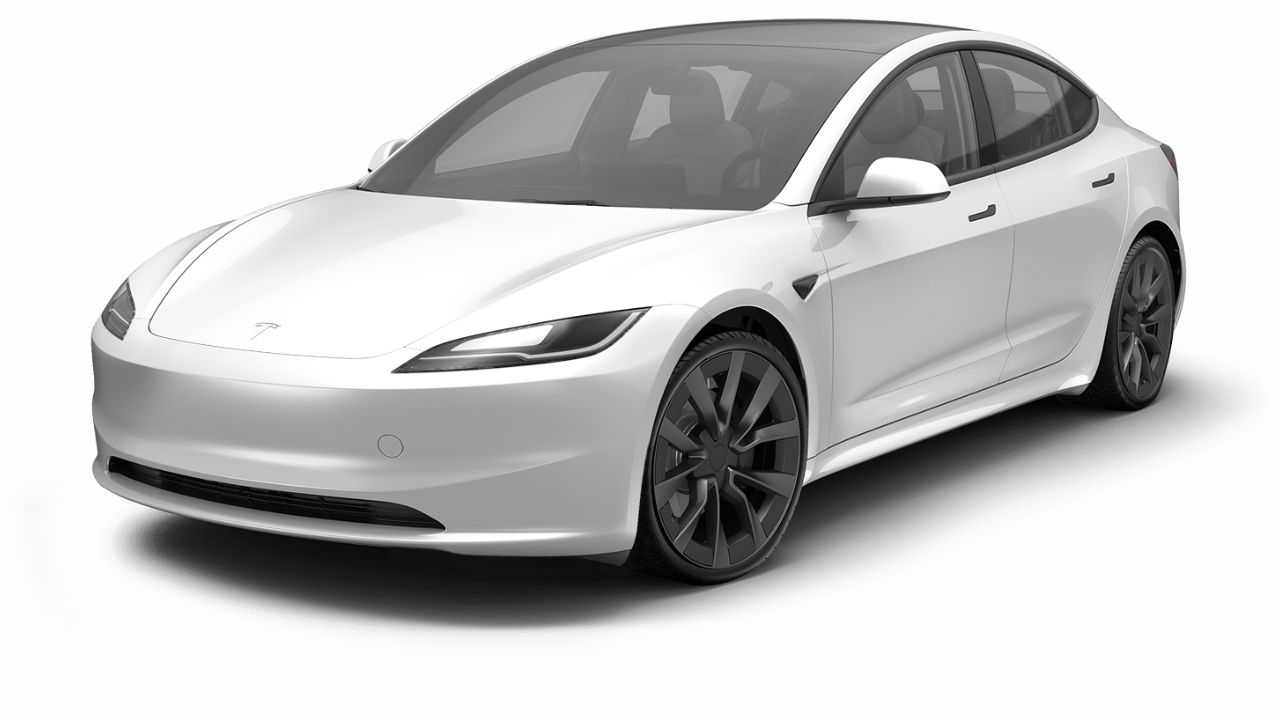

Nearly Half Of Tesla’s Fleet In China Will Be Fixed After Serious Issues With The Electric Steering System And Rear Cameras. Model 3, Model Y, Model S, And Model X Are Among The 1.2 Million Vehicles Involved In The Brand’s Largest Recall In The Country.
When it comes to electric vehicles, Tesla is a name that dominates conversations, but not always for the best reasons. With a recall of 1.2 million cars, the Californian automaker is facing one of the biggest challenges ever seen in the Chinese market. This staggering number is equivalent to nearly half of Tesla’s fleet in the country! But what exactly is at stake? Is the brand losing its shine in the world’s largest electric vehicle market?
The Impact Of The Recall: Over 1.2 Million Affected Vehicles
The recall is not just about huge numbers; it’s about safety. According to the State Administration for Market Regulation (SAMR), the affected models have problems ranging from failures in the electric steering system to defects in the rear cameras. Driving with a locked steering system or being unable to see what’s behind the car? These are real risks for drivers and passengers.
Among the more than 1 million cars are the popular Model 3 and Model Y, which account for 871,000 units with steering assistance issues. The luxurious Model S and Model X total 335,000 vehicles with defective rear cameras. The good news? Tesla has opted for a modern solution: the fix will be done remotely via over-the-air update.
-
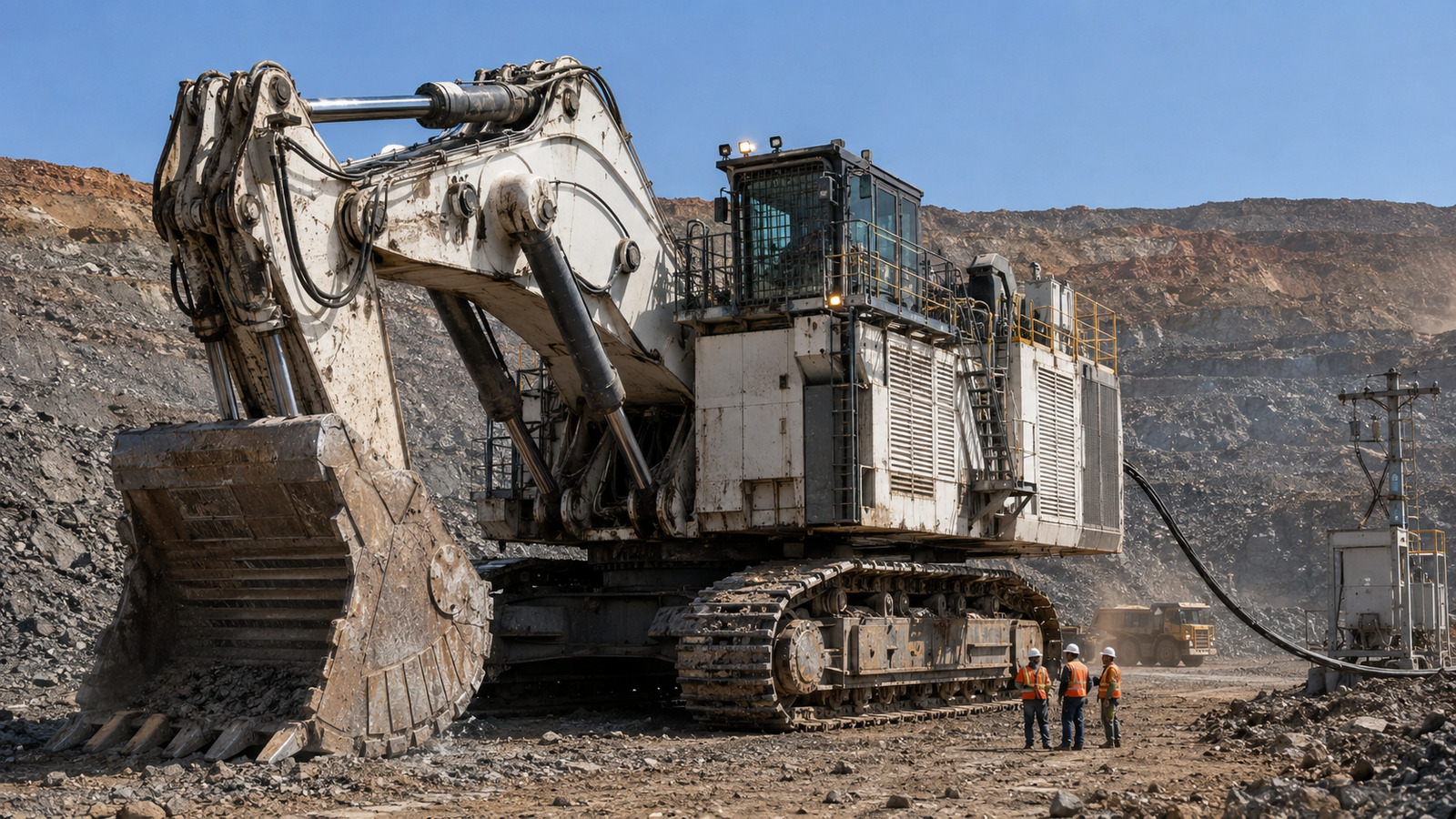
Unprecedented achievement in India: a colossal 650-ton, nearly 3,000 hp excavator is transformed into 100% electric, marking a new phase in heavy mining.

-
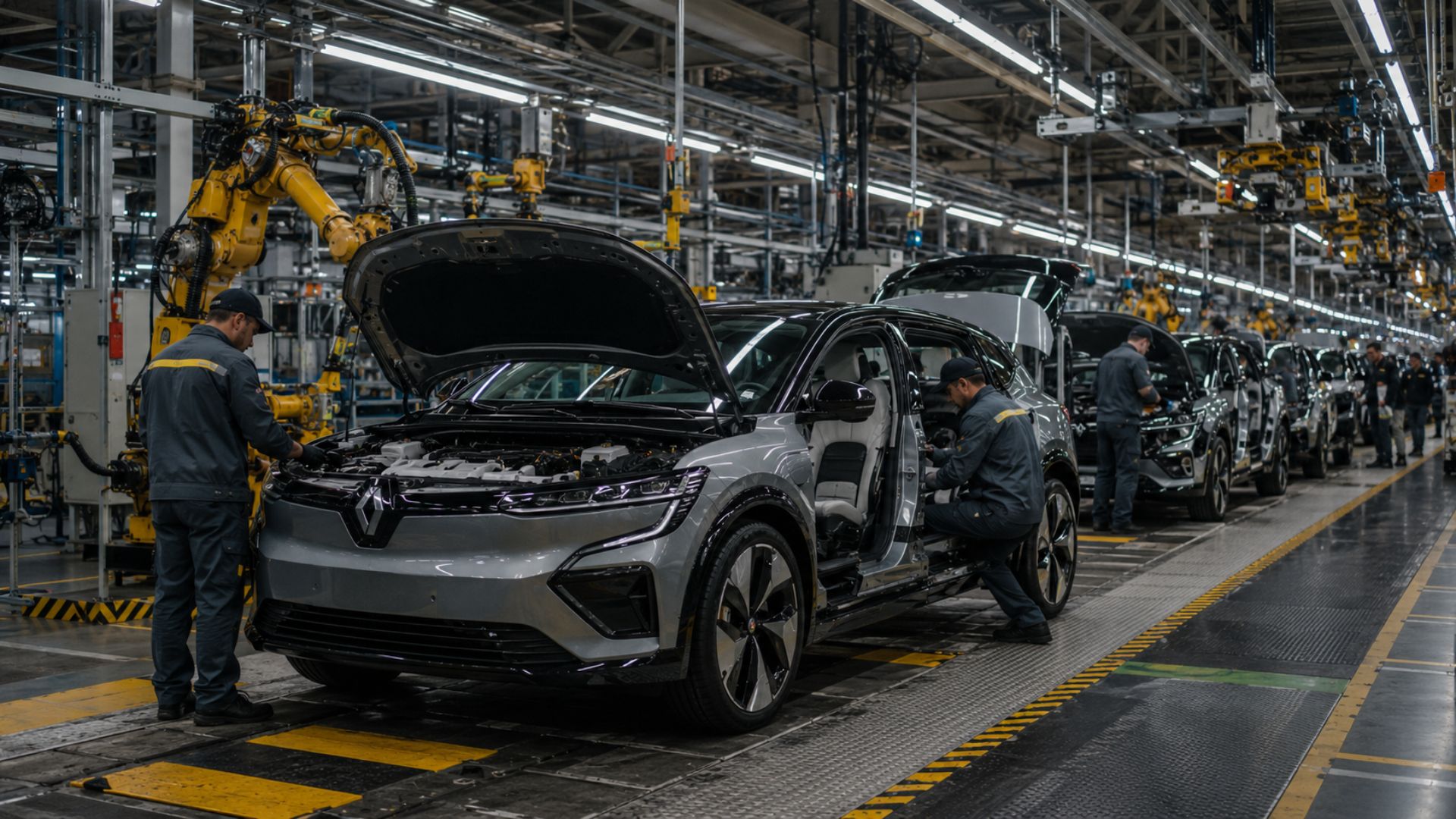
Frightened by the speed of Chinese manufacturers, Renault decided to mimic the pace, made the new electric Twingo in just 21 months, wants to repeat the feat with 36 models by 2030, and along the way, will cut up to 2,400 engineering positions.

-
Chinese battery from Dongfeng promises to exceed 1,000 km without relying on liquid electrolyte, and the detail behind the technology could change the electric car competition.

-
The end of the automotive combustion era has already begun, but many in Brazil have not yet realized the magnitude of the shift towards Chinese electric cars.
An Emerging Pattern? Tesla’s Recall History
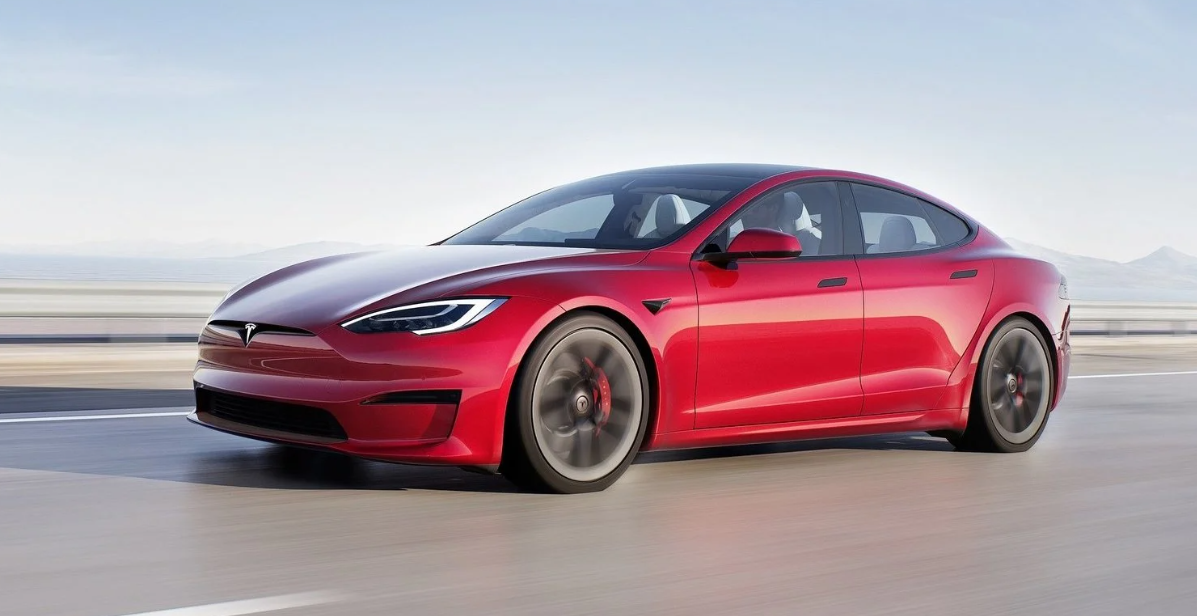
According to the Exame website, this is not the first scandal of its kind. In 2024, Tesla had already issued a recall for 240,000 vehicles in the United States. The previous year, a defect in the hood required adjustments for 1.85 million cars globally, also affecting China. It seems that recalls are becoming part of Tesla’s “DNA”, aren’t they?
Every recall is a blow to consumer trust. After all, who wants to buy a high-value car and deal with recurring problems? These episodes raise questions about Tesla’s product quality and its ability to meet growing global demand.
Challenges In The Chinese Market
China, which was once a paradise for Tesla, is now a battleground. BYD, a local rival, not only surpassed Tesla in global sales in 2023 but has also dominated the Chinese market. The Chinese consumer has more options than ever, many of which are more affordable.
In 2020, Tesla held 16% of the Chinese electric vehicle market. Today, that number has fallen to 10.6%. This reduction reflects not just competition, but also the growing dissatisfaction with recalls and the perception of a lack of continuous innovation from Tesla.
Uncertain Future: How Can Tesla Stay Competitive In China?
For Tesla, it’s time to revisit its strategy. Investing in after-sales services, ensuring the quality of new launches, and, most importantly, avoiding new recalls are crucial steps. Campaigns that reinforce the safety and reliability of the brand can help win back hearts (and wallets) in China.
Tesla has always been known for innovation, but is it losing that essence? New features, distinct design, and tailored solutions for the Chinese market may be the key to regaining growth.