Portuguese
  Spanish


Industrial hemp houses made with hempcrete draw attention in Minnesota because they combined quick construction, thermal insulation, and a 70% reduction in heating costs in homes built by an indigenous community in the USA
The material that still causes surprise in Brazil has become walls in the United States and helped speed up house construction in Minnesota. The Lower Sioux Indian Community built homes with industrial hemp, lime, and water, in a technique known as hempcrete.
The information was published by the Center for High Impact Philanthropy, a center at the University of Pennsylvania dedicated to philanthropy. The community has completed six houses since 2023, including a duplex in 21 days and a four-bedroom house in 6 weeks.
The most striking fact is the 70% reduction in heating costs. In a cold region like Minnesota, spending less to keep the house warm can ease a significant expense for residents.
-
Nigerian Housing Crisis Addressed with Innovative Solution: Architect Builds Solar-Powered Modular Homes from Recycled Waste in Just 4 Hours for Low-Income Families

-
Mushrooms, orange peels, and agricultural waste are being turned into insulation panels for construction, replacing conventional materials with grown rather than manufactured walls.

-
House Built with 1.5 Tons of Recycled Plastic Completed in 10 Days in India, Transforming a Waste Picker’s Life and Tackling Urban Waste

-
Brightline to Connect Los Angeles and Las Vegas in Two Hours with the First U.S. Electric High-Speed Train, a $12 Billion Project Aiming to Reduce Road Traffic



What is hempcrete and why has industrial hemp entered construction
Hempcrete is a building material made with industrial hemp, lime, and water. Instead of appearing as a controversial topic, hemp emerges in this case as a raw material for house walls.
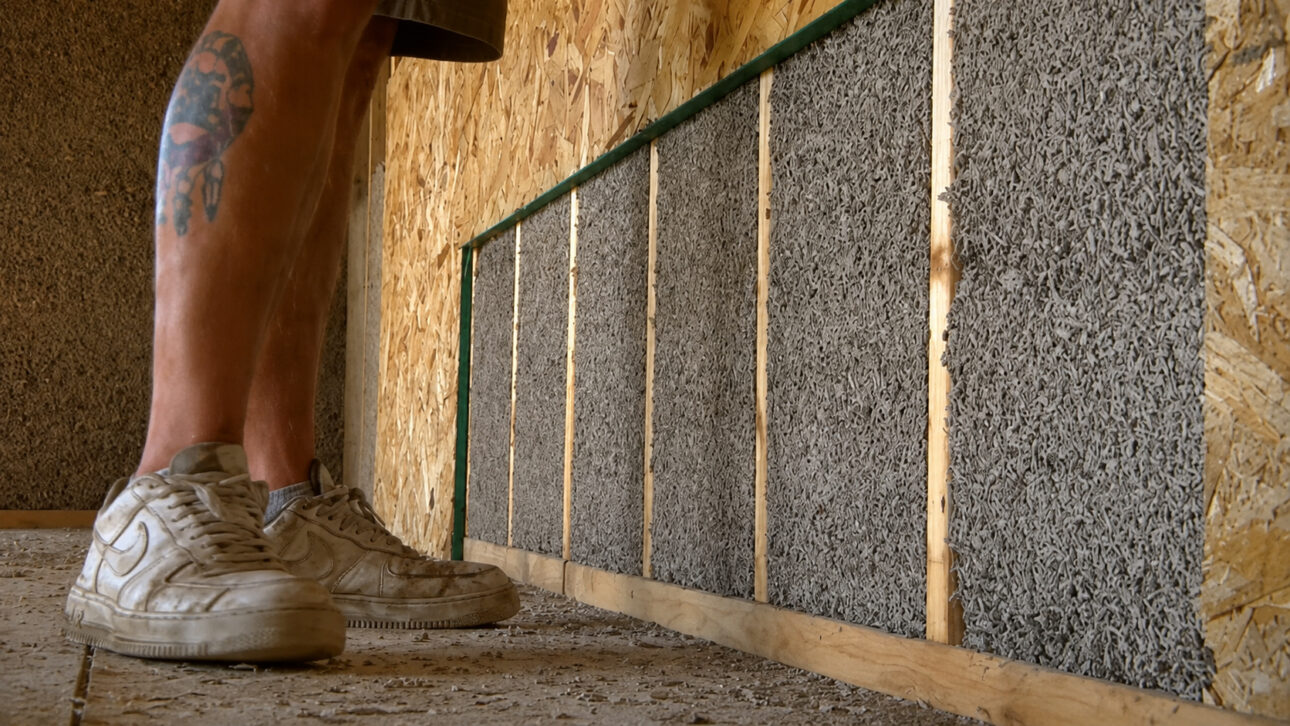
In practice, the mixture helps form walls with good insulation capacity. Insulation is the house’s ability to better retain internal temperature, both in cold and hot weather.
This use draws attention because it changes how many people view hemp. The focus is not on recreational debate, but on housing, thermal efficiency, and faster construction.
Indigenous community in Minnesota completed six houses since 2023
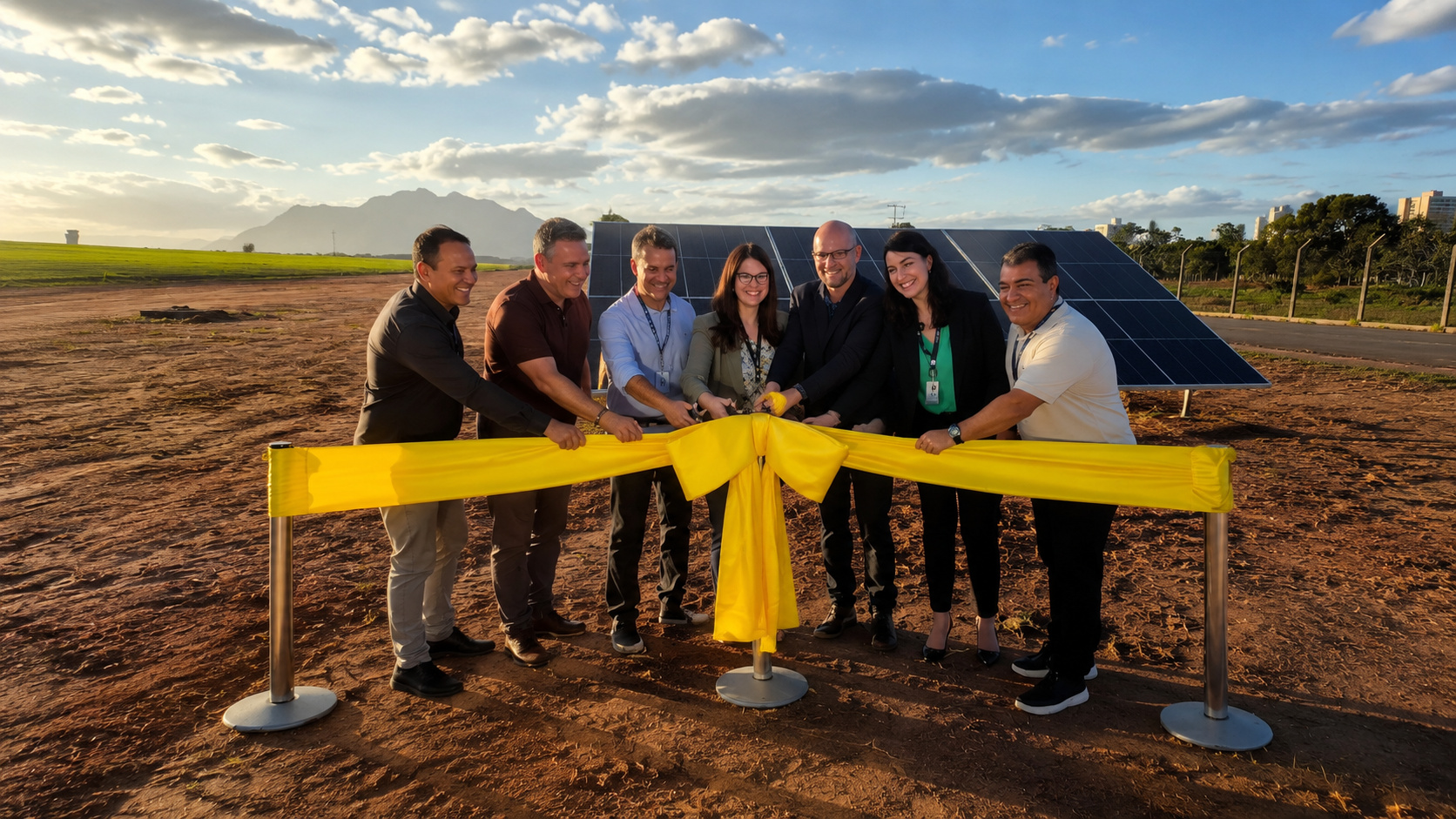
The Lower Sioux Indian Community is located in Minnesota, USA, and has started using industrial hemp houses as part of a housing solution. Since 2023, six houses have been completed with the material.
The number may seem small compared to large housing programs. Even so, it gains strength due to the recorded deadlines and the direct effect on heating costs.
The houses show how a local community managed to use a different material to tackle a concrete problem. In cold places, a wall that helps keep the heat inside the house can make a difference in the budget.
Duplex was ready in 21 days and four-bedroom house was completed in 6 weeks
One of the strongest data from the project is the construction time. The community completed a duplex in 21 days, that is, a construction with two connected dwellings.
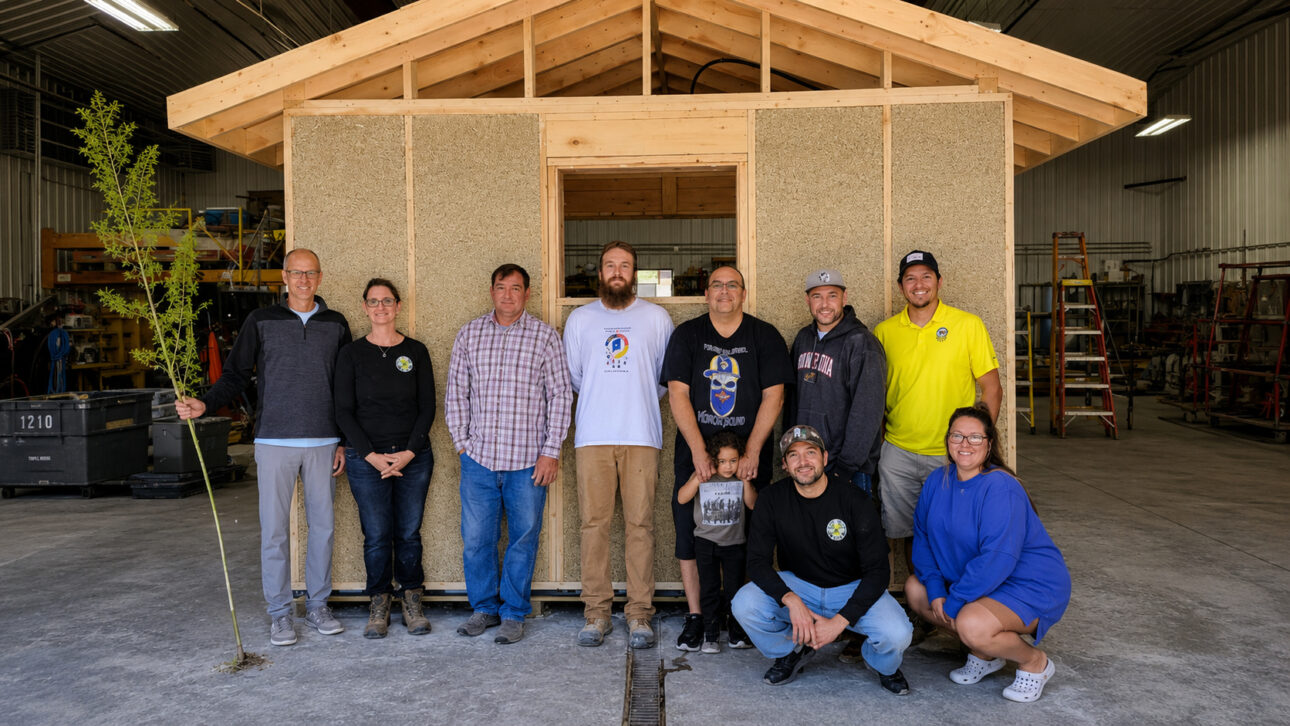
A four-bedroom house was also completed in 6 weeks. For a family, this represents a larger home delivered in a short time frame, with a material still little known outside this type of experience.
Center for High Impact Philanthropy, a center at the University of Pennsylvania dedicated to philanthropy, provided the numbers and key deadlines of the case. These data help explain why construction with industrial hemp has started to attract attention outside the community.
Why the 70% drop in heating costs weighs so much in Minnesota
The 70% reduction in heating costs is the most practical point for residents. Heating is the expense to keep environments warm when the temperature drops.
In cold regions, this bill can be quite heavy. Therefore, a house that better retains internal heat can reduce the need to heat rooms for longer.
Hempcrete appears as part of this response because it helps with thermal insulation. In simple terms, the wall acts as a barrier that makes it difficult for heat to escape.
Industrial hemp is not a drug and appears as a construction material
In Brazil, the word hemp can still cause confusion. However, industrial hemp used in construction has a different role: it serves as a raw material to form walls, along with lime and water.
The difference is important to avoid misinterpretation. The topic here is civil construction, not recreational use, nor a debate about personal use.
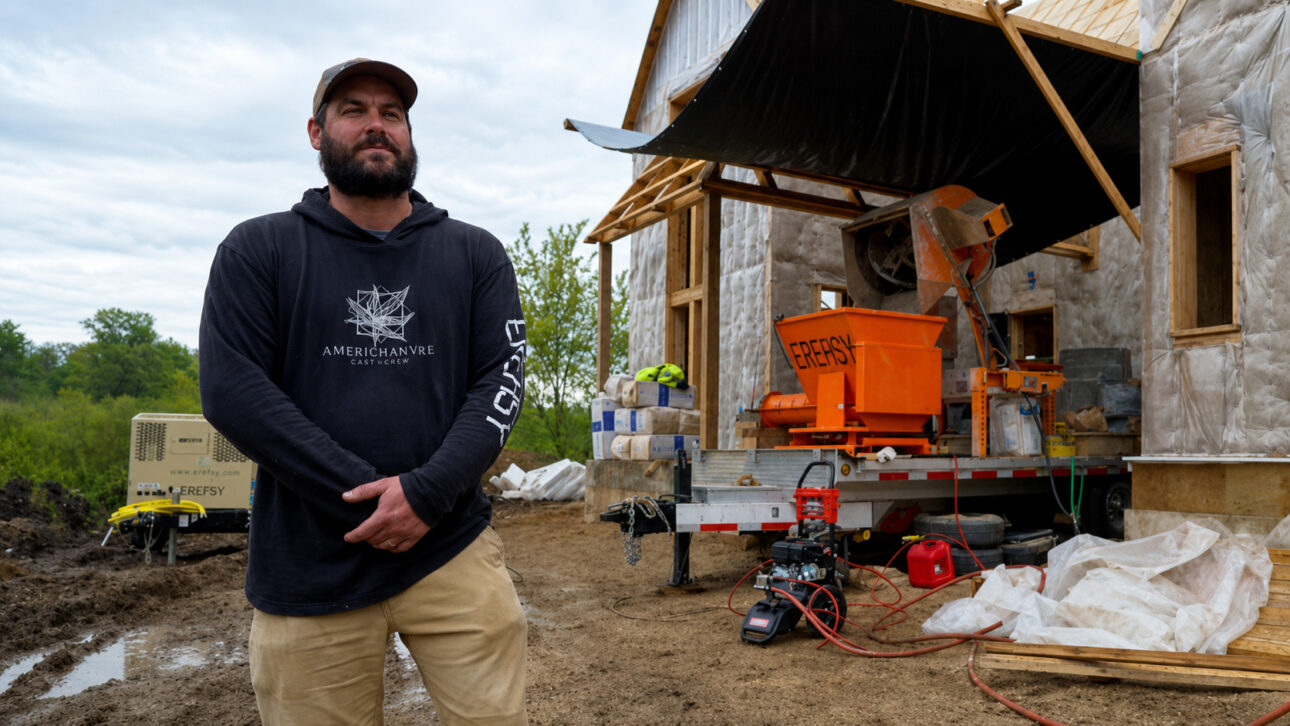
In the houses of the Lower Sioux Indian Community, industrial hemp appears as a physical construction material. It helps to form walls with a focus on thermal comfort and heating economy.
What the case shows for those following sustainable construction
The case in Minnesota shows that unusual materials can be used in construction when they solve real problems. Here, the problem is clear: building housing and reducing the cost of keeping the house heated.
The experience also shows that speed is not the only relevant point. The gain appears, then, in the combination of time frame, thermal insulation, and reduced expenses for residents.
Still, the result should not be treated as a guarantee for any location. Climate, local cost, labor, and material availability can change the performance of a construction with industrial hemp.
The Lower Sioux Indian Community showed that industrial hemp, lime, and water can go from the field to become walls in real houses. Since 2023, the community has completed six houses, with time frames of 21 days and 6 weeks in the most notable examples.
The 70% reduction in heating costs explains why the experience sparks curiosity. Do you think materials like industrial hemp could gain space in Brazilian housing or would they still face too much resistance?