






 Portuguese
  Spanish
  4 min of reading
  0 comments


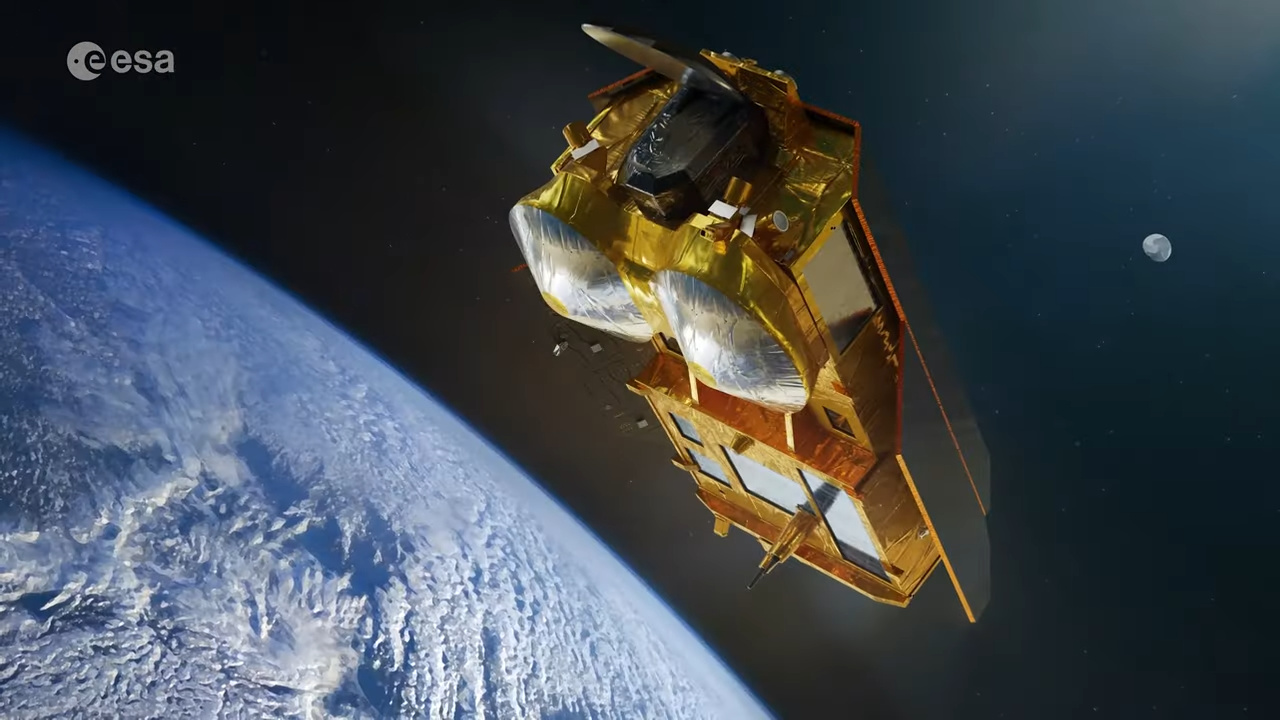
The day the largest European satellite simply went silent
In April 2012, one of the most important scientific instruments ever placed in orbit simply went silent. The Envisat, a satellite from the European Space Agency (ESA) launched in 2002 to monitor oceans, atmosphere, glaciers, forests, and climate change, stopped responding to commands sent from Earth and became one of the largest inactive objects ever abandoned in space. ESA itself confirmed that the last contact occurred on April 8, 2012.
The operational disappearance of the satellite drew attention because Envisat was not an ordinary piece of equipment. ESA describes it as the largest Earth observation satellite ever built in Europe, while the Guinness World Records recognizes it as the largest inactive satellite in orbit, with a dry mass of 7,911 kg and about 26 meters in length in its largest dimension. More than a decade after losing contact, it continues to orbit the planet without any human control.
What was Envisat and why it became so important
Launched on March 1, 2002 by an Ariane 5 rocket from French Guiana, Envisat was created to enhance Europe’s environmental monitoring capability. Equipped with a set of optical and radar instruments, the satellite continuously observed oceans, continents, atmosphere, glaciers, and agricultural areas.
-
Stars display different colors in the sky and science explains why.

-
Astronomers called an object trapped near Earth an asteroid, until a Harvard scientist proposed a more curious hypothesis: the temporary “second moon” could be Zond-1, a Soviet probe launched towards Venus over 60 years ago and lost in space since the Cold War.

-
Mini-drones weighing less than 450 grams are launched from military vehicles, can fly for up to 60 minutes without relying on GPS, and promise continuous reconnaissance for troops protected inside armored vehicles.

-
Students from São Paulo create a game for children with ADHD that combines learning, fun, and monitoring by parents and professionals.




The data produced helped scientists track climate change, atmospheric pollution, deforestation, ocean circulation, and various environmental phenomena.


According to ESA, the mission was originally supposed to last five years. However, the satellite’s performance was so successful that it continued operating for approximately a decade, exceeding its planned lifespan by about five years. During this period, it produced thousands of images and an enormous amount of scientific information used by researchers from various countries.
In January 2004, ESA reported that Envisat had already completed 10,000 orbits around the Earth, traveling approximately 450 million kilometers since its launch. The satellite traveled at more than 7 kilometers per second, completing a lap around the planet every about 100 minutes.
The day when the largest European satellite simply went silent
The problem arose on April 8, 2012, when ESA controllers stopped receiving transmissions from the satellite during a pass over the Kiruna ground station in Sweden. Engineering teams immediately initiated emergency procedures to try to reestablish communications.
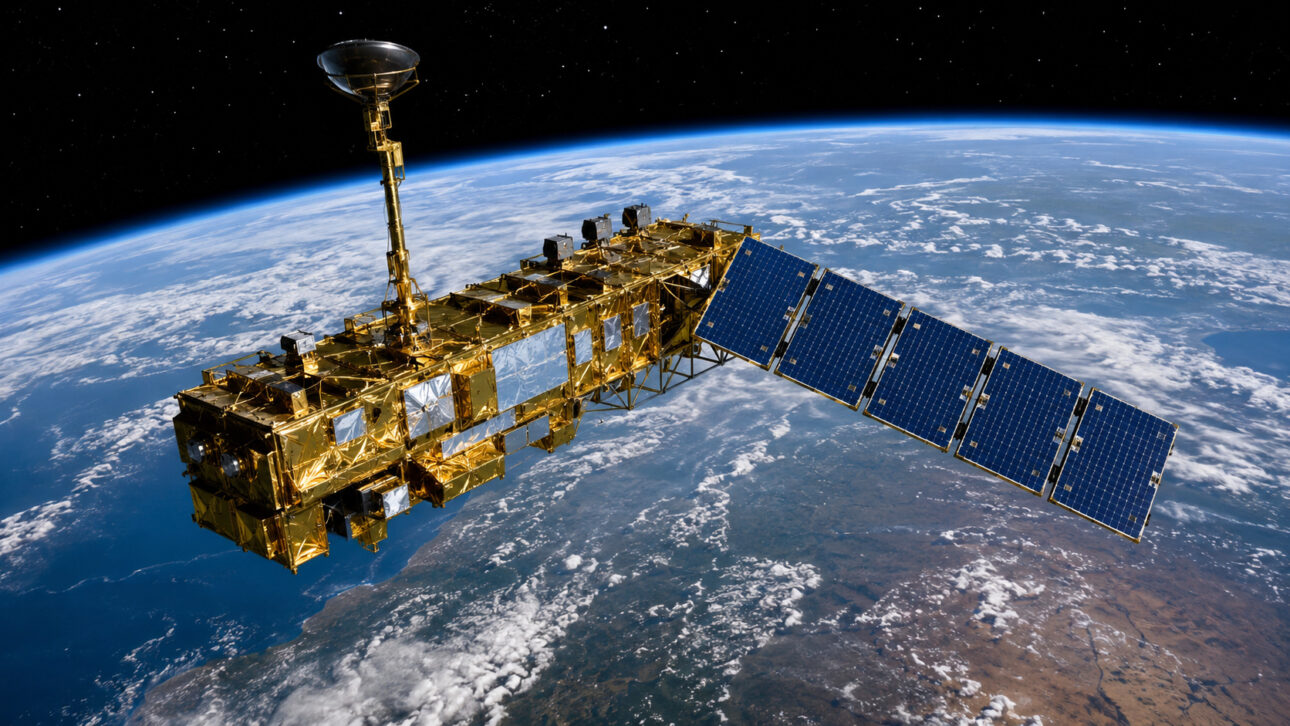
Space agency specialists spent weeks trying to regain control of the spacecraft. Ground radars and even other satellites were used to observe Envisat and check for visible signs of structural damage. Despite the efforts, no attempt succeeded in restoring contact.
Faced with the failure of recovery operations, ESA officially declared the mission ended on May 9, 2012. The agency confirmed that the satellite remained in stable orbit but was completely unable to receive commands or transmit information.
How an 8-ton colossus became one of the largest space debris in history
The loss of Envisat created a problem that continues to concern space safety experts. Unlike modern satellites, it was unable to execute a controlled deorbit maneuver before being lost. As a result, it remained orbiting the Earth in one of the busiest regions of space near the planet.
According to analyses released by ESA, the satellite could remain in orbit for about 150 years before naturally reentering the atmosphere. During this period, there is a risk of collisions with other satellites or fragments of space debris. A collision involving an object of nearly eight tons could generate thousands of new orbital fragments.
The problem is so significant that Envisat frequently appears in studies about the so-called Kessler Syndrome, a theoretical scenario in which space collisions produce debris cascades capable of making certain orbits extremely dangerous for future missions.
The Scientific Legacy Left by ESA’s Ghost Satellite
Although its end was sudden, the scientific impact of Envisat remains significant. ESA highlights that the satellite provided an enormous amount of environmental data during its ten years of operation, contributing to research on climate, oceanography, air quality, vegetation cover, and polar ice dynamics.
The mission’s success also helped pave the way for the next generation of European Earth observation satellites.
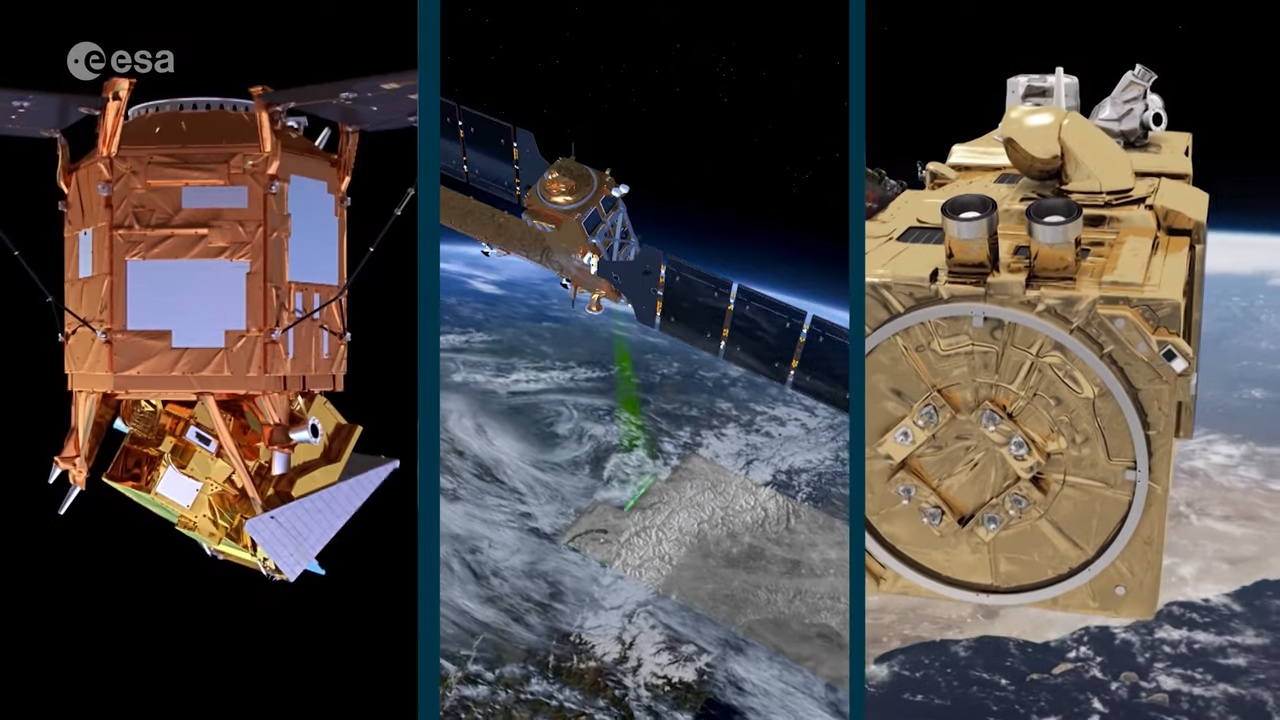
Several functions previously performed by Envisat were later taken over by the Sentinel program satellites, which today form the backbone of the European environmental monitoring system Copernicus.
More than a decade after its operational demise, Envisat continues to silently cross the skies. Without responding to any commands and without producing new data, the former pride of European space engineering has turned into something rare: a gigantic technological ghost of nearly eight tons that still orbits the Earth every day, reminding us of the challenges that space debris represents for the future of space exploration.









Be the first to react!