Portuguese
  Spanish


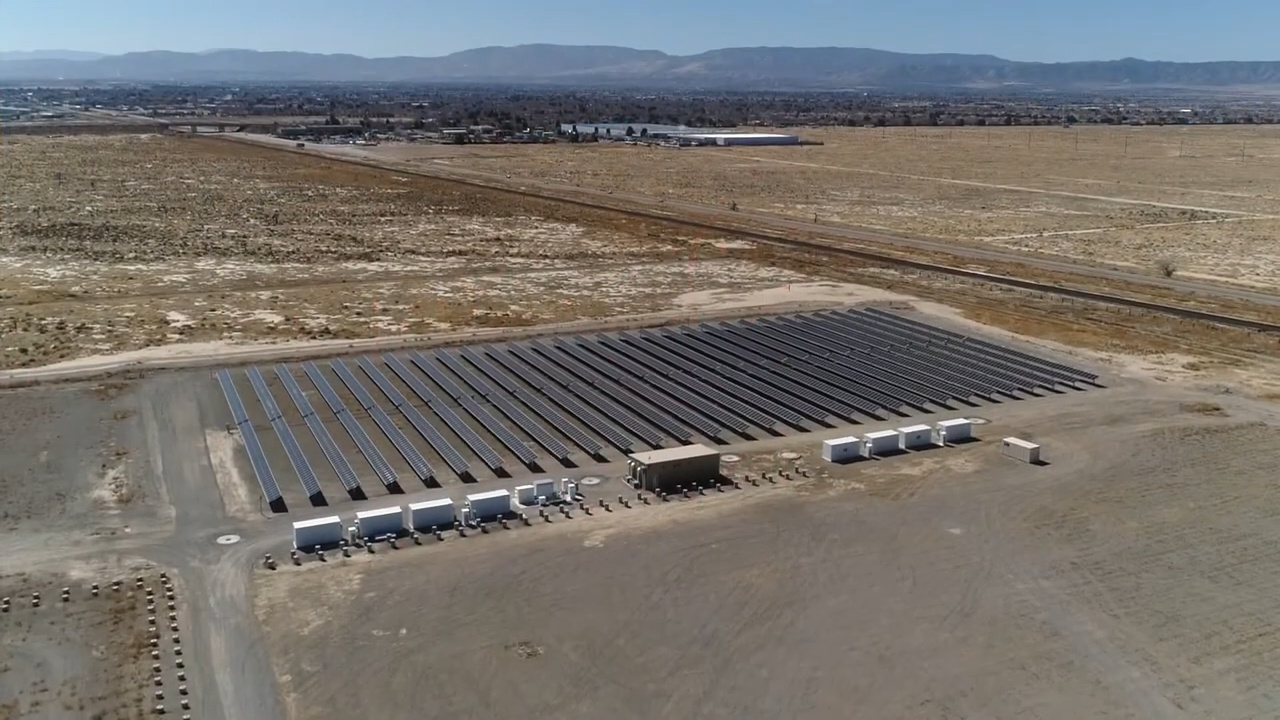

Project in California transforms 1,300 used batteries from Honda and Nissan electric cars into a solar plant with 25 MWh of storage and shows how the second life of batteries has already left the laboratory
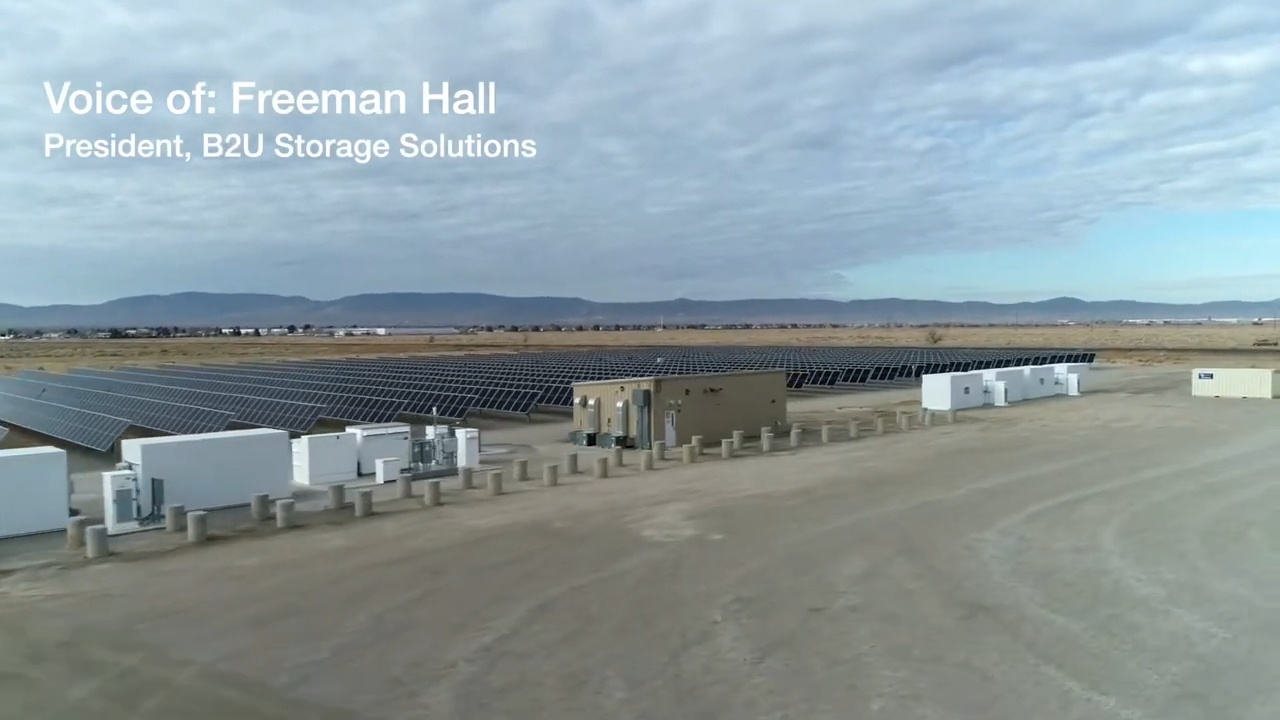
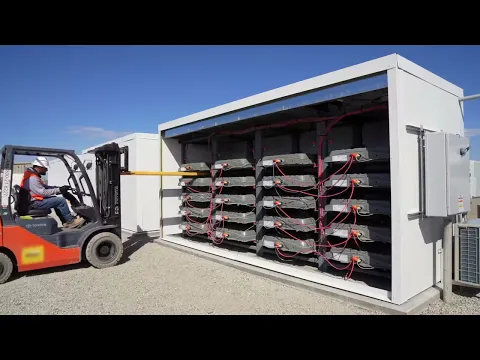
When an electric car loses part of its range, it doesn’t mean its battery has reached the end. In many cases, it still retains enough capacity to continue operating in less demanding applications than moving a vehicle on the streets. It was precisely this logic that led B2U Storage Solutions to build in Lancaster, California, one of the world’s largest commercial facilities based on second-life automotive batteries. The system uses 1,300 repurposed packs from Honda and Nissan vehicles and achieved 25 MWh of storage capacity.
The project operates integrated with a solar installation and connected to California’s power grid. Instead of heading directly for recycling, these batteries began operating as an energy reserve to store electricity and return it to the system when needed. The case gained relevance because it showed, on a commercial scale, that retired automotive batteries can still have economic value and real utility in the electric sector.
California plant shows how electric car batteries can gain a second life
The facility became known as Sierra, in Lancaster, and was developed to prove that packs removed from electric vehicles can still operate for years in stationary storage. According to B2U Storage Solutions, the capacity of 25 MWh was achieved with the 1,300 used packs from Honda and Nissan, forming a hybrid structure of solar plus storage.
-
DNA Analysis Reveals How Five Cattle Survived Over 130 Years on a Deserted Brazilian Island

-
Private Spacecraft Intercepts Another for First Time in History During U.S. Space Force Mission Completed 11 Hours Early with Rocket Launched in Record 16 Hours

-
Scientists Predict Earth’s Habitable Lifespan: 1.8 Billion Years Before Oceans Evaporate and Sun Forces Planet Out of Life Zone
-
LG Unveils XBOOM Stage 501 Portable Speaker with 25-Hour Battery, AI Karaoke, and Sound by will.i.am in Brazil


The central point of the project is simple. A battery that no longer offers the ideal range for a car can still store electricity produced by solar panels and release it during peak demand times or lower generation periods. This creates an intermediate step between use in vehicles and the final recycling of materials.
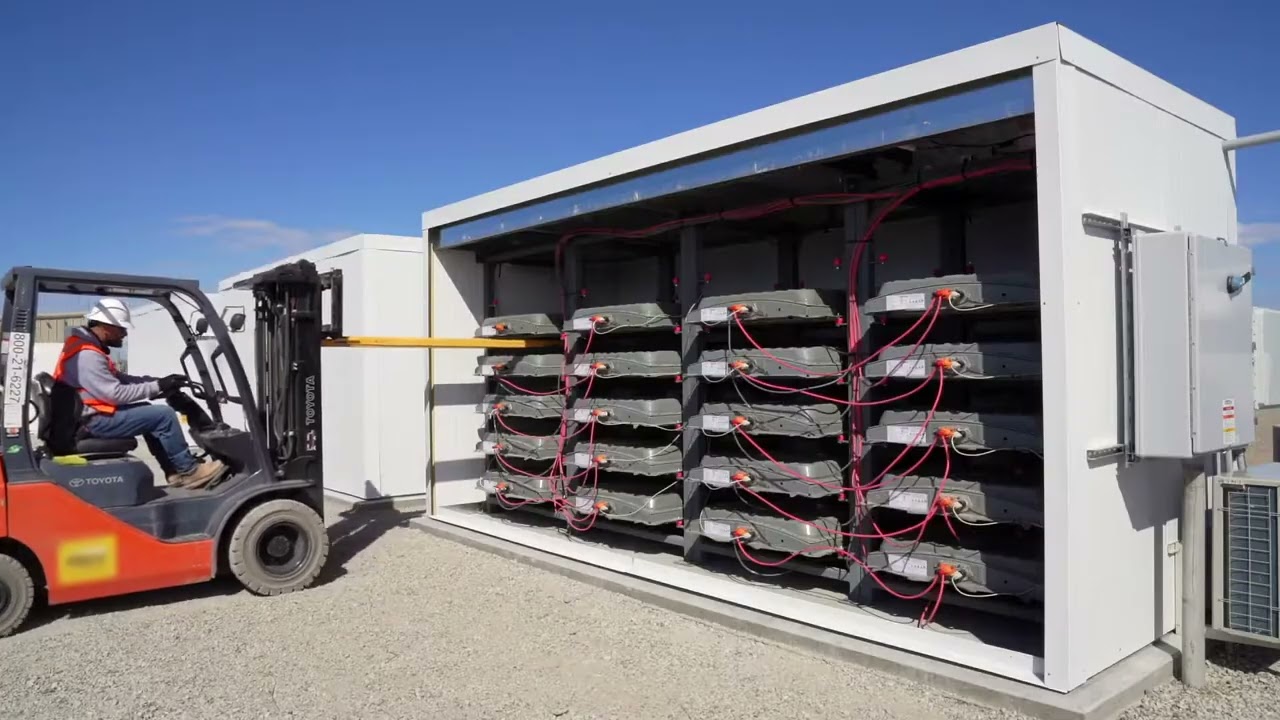
This model is increasingly interesting because the global fleet of electric vehicles continues to grow. The more electric cars enter circulation, the greater the volume of batteries removed from automotive service tends to be in the coming years. The stationary second life is thus seen as an increasingly relevant industrial and economic solution.
B2U reuses the packs almost in their original format to reduce cost
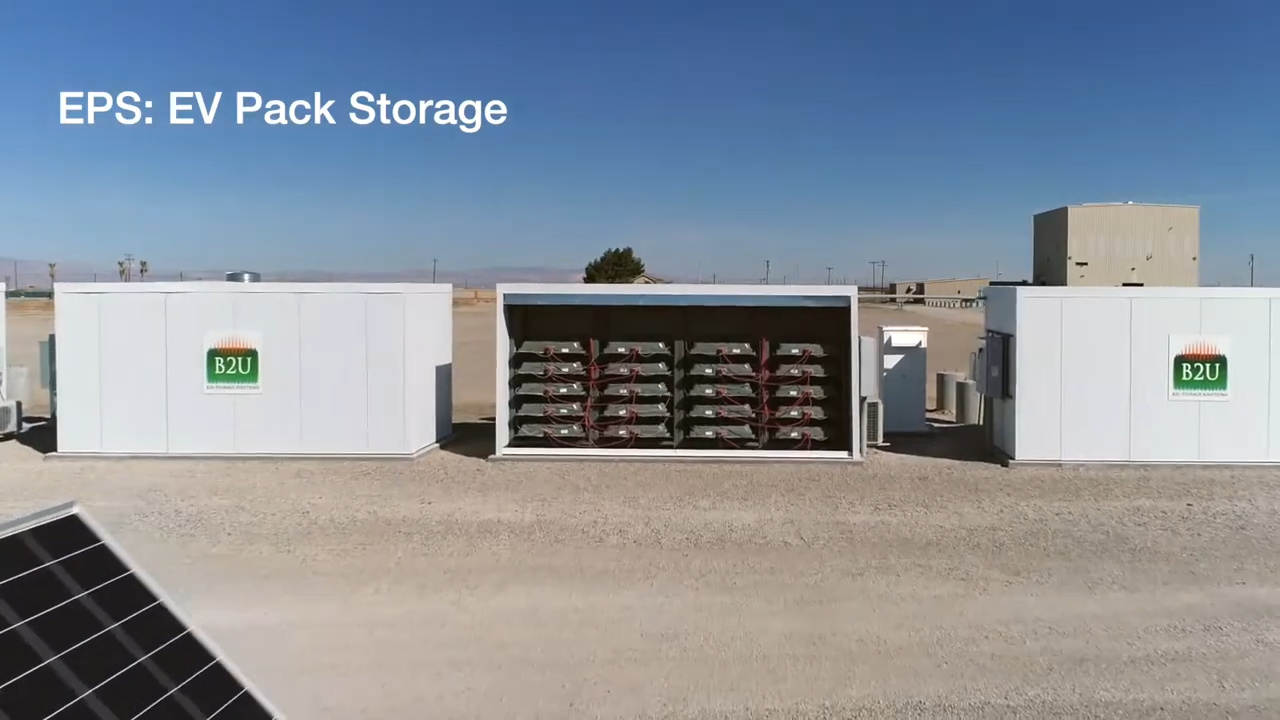
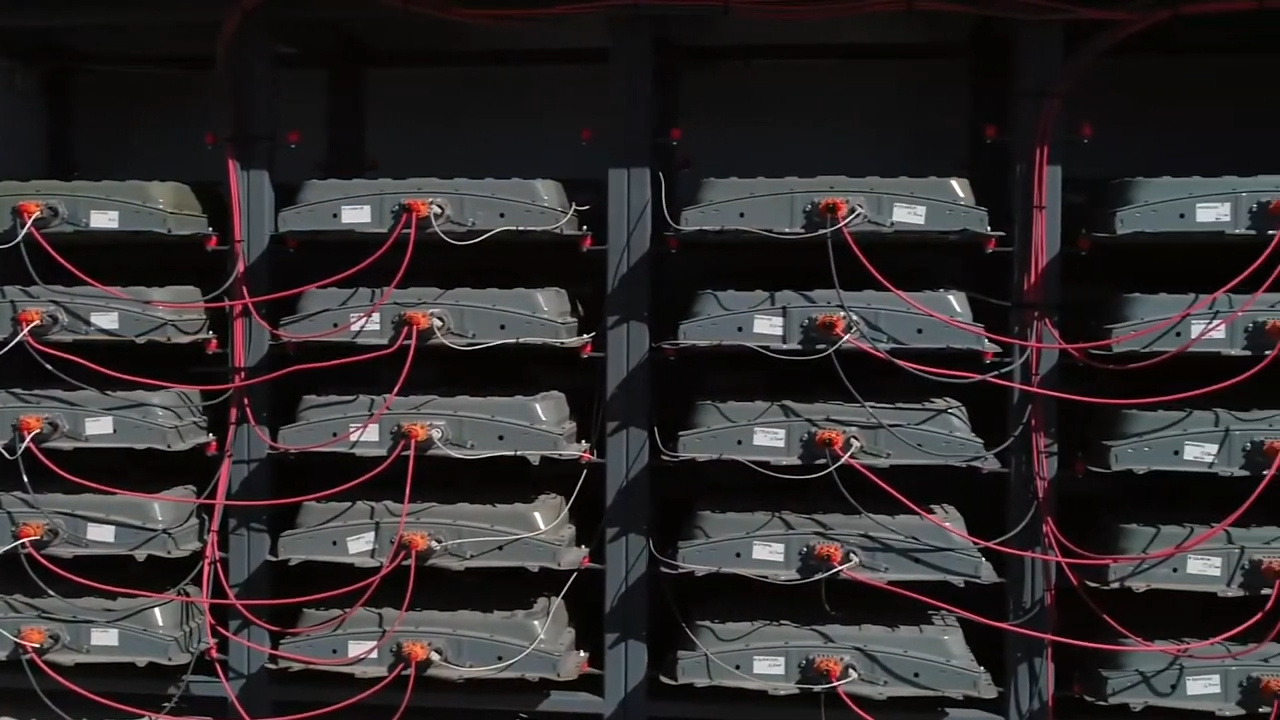
One of the most important differentials of the project is the way the batteries are reused. According to B2U Storage Solutions, the company uses a technology called EV Pack Storage, or EPS, which keeps the packs almost in their original format instead of dismantling them cell by cell.
This choice reduces one of the main economic obstacles of the second life of batteries. Reuse tends to be expensive when it requires deep disassembly, module reconfiguration, and complete system reconstruction. By preserving the pack largely as it comes out of the vehicle, the company reduces cost, simplifies installation, and takes advantage of existing electronic elements in the set.
In practice, this transforms the installation into a kind of large electric reservoir made of batteries that previously powered cars. Instead of being treated as immediate waste, they start to operate as useful and commercially active energy infrastructure.
System sells energy and services to California’s electrical grid
According to Utility Dive, the B2U installation is connected to California’s wholesale electricity market. This means that the batteries not only serve as a technical experiment but participate directly in the real dynamics of the state’s electrical system.
The operation follows the typical logic of energy storage. During times of higher solar generation, excess electricity can be stored in the batteries. Later, when generation drops or demand rises, the stored energy is returned to the grid. This flexibility helps stabilize the system and increases the value of electricity produced during higher-priced hours.
This detail is what differentiates the project from many experimental initiatives. The Lancaster plant went into commercial operation and was expanded in stages, reinforcing that battery repurposing is not limited to laboratory, prototype, or academic demonstration.
Project became a global showcase for the second-life battery market
The Lancaster case drew attention because it shows an unusual scale for second-life batteries. According to B2U, the company has already repurposed thousands of packs in stationary storage projects and treats the installation as proof that used automotive batteries can continue operating for years before heading to recycling.
According to Utility Dive, the company also presented the project as a response to the growing volume of batteries beginning to exit the electric vehicle fleet. Instead of considering this material merely as an environmental or industrial liability, the proposal is to view it as a new source of storage for renewable energies and grid support.
This helps explain why the installation gained so much visibility. It does not single-handedly solve the global fate of all electric car batteries, but it shows that there is an economically interesting route between automotive use and final recycling.
Second life of batteries could become a central stage in the economy of electric cars
The advancement of electric vehicles has made the discussion about the future of batteries when they leave cars more urgent. For years, the debate focused on two extremes: manufacturing and recycling. The Lancaster project helps to establish a third stage between these two moments.
This intermediate stage makes sense because stationary use demands less from the battery than daily use in a vehicle. A car needs acceleration, instant power, and reliable autonomy. Meanwhile, an installation connected to the grid can operate with a different demand profile, which allows for the use of packs that no longer meet the automotive sector as well.

The California project shows exactly this. A battery retired from the streets doesn’t need to become scrap immediately. In many cases, it can still store solar energy, help balance the power grid, and extend for years the value of equipment that, within the car, had already lost part of its original function.