Portuguese
  Spanish


Students developed an educational game aimed at children with ADHD and created a platform for tracking results.
A group of students from São Paulo developed a digital game aimed at children with Attention Deficit Hyperactivity Disorder (ADHD), combining learning, entertainment, and family monitoring. The project was born in 2024 during a Course Completion Work (TCC) at the Adolpho Berezin State Technical School (ETEC) in Mongaguá, and is currently being improved at the Praia Grande Faculty of Technology (Fatec).
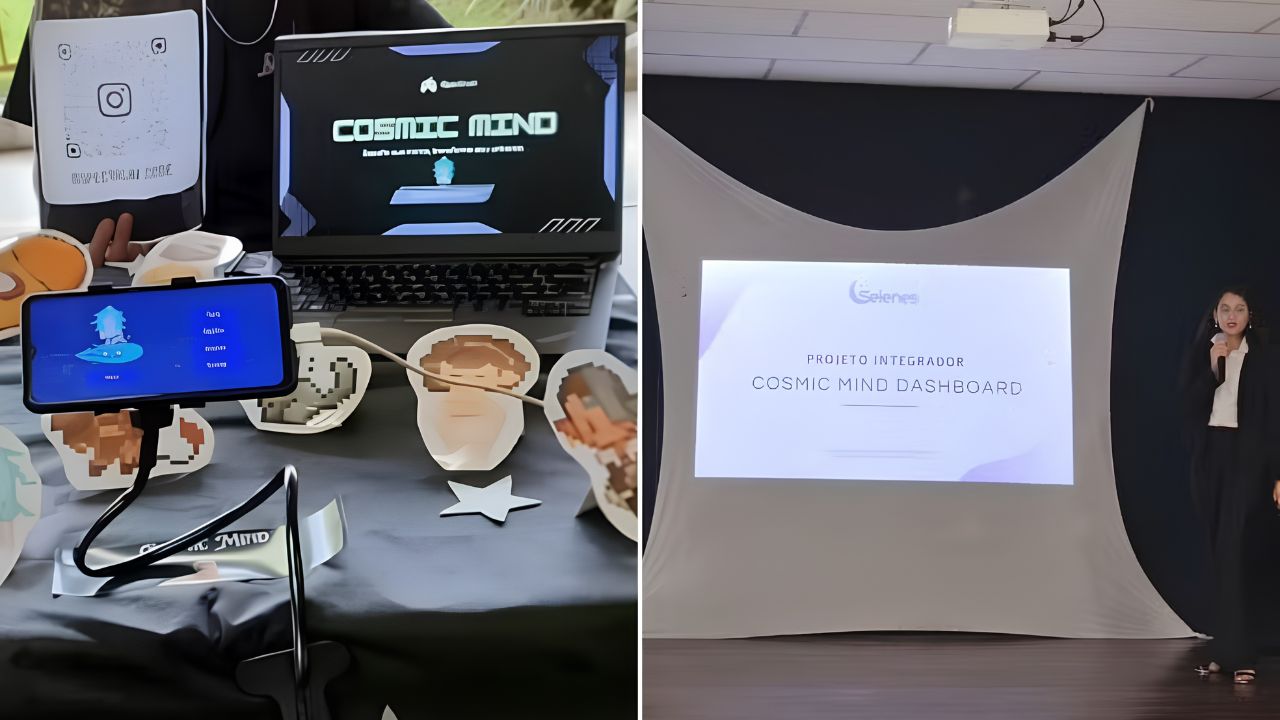
In addition to the educational challenges presented to children, the initiative allows parents, guardians, and professionals to monitor users’ performance through a specific platform.
Intended for the audience between 8 and 10 years old, the game was created with the proposal of serving as a complementary tool to the learning process, without replacing evaluations or specialized monitoring. The development involved professionals from different areas, including psychopedagogues, digital game specialists, psychologists, and educators.
-
Scientists Confirm “Greening” of Antarctica: Ice on the World’s Coldest Continent Turns Green as Mosses Multiply Over Tenfold in Four Decades

-
2,000-Year-Old Gold Rings Found with Human Bones in Thailand Reveal Rare Burial and Feature Ancient Indian Inscription

-
Lenovo Unveils Legion Y700 Tablet with RGB Backlighting, 5G, and SIM Card Support

-
World’s First Nuclear Hydrogen Unit Begins Operation: Copper-Chlorine Technology with Initial Capacity of 150 Liters per Hour, Aiming for 3,000 Liters per Hour




How did the students turn an academic idea into an award-winning project?
The initiative arose from a reflection carried out during the Systems Development course at ETEC Adolpho Berezin.
According to student Eduarda Belles, 20, the team sought to develop a solution with social impact. During research and observations, the members identified that ADHD is part of the reality of many families and realized that traditional teaching methods do not always spark the interest of all children.
Commenting on the origin of the proposal, Eduarda explained: “We decided to challenge ourselves to create a game with a social purpose. From research and observations, we realized how ADHD is increasingly present in everyday life and how traditional learning methods can be discouraging for some children.”
The student also recalled the question that guided the project: “Then the question arose: what if learning could be fun?”
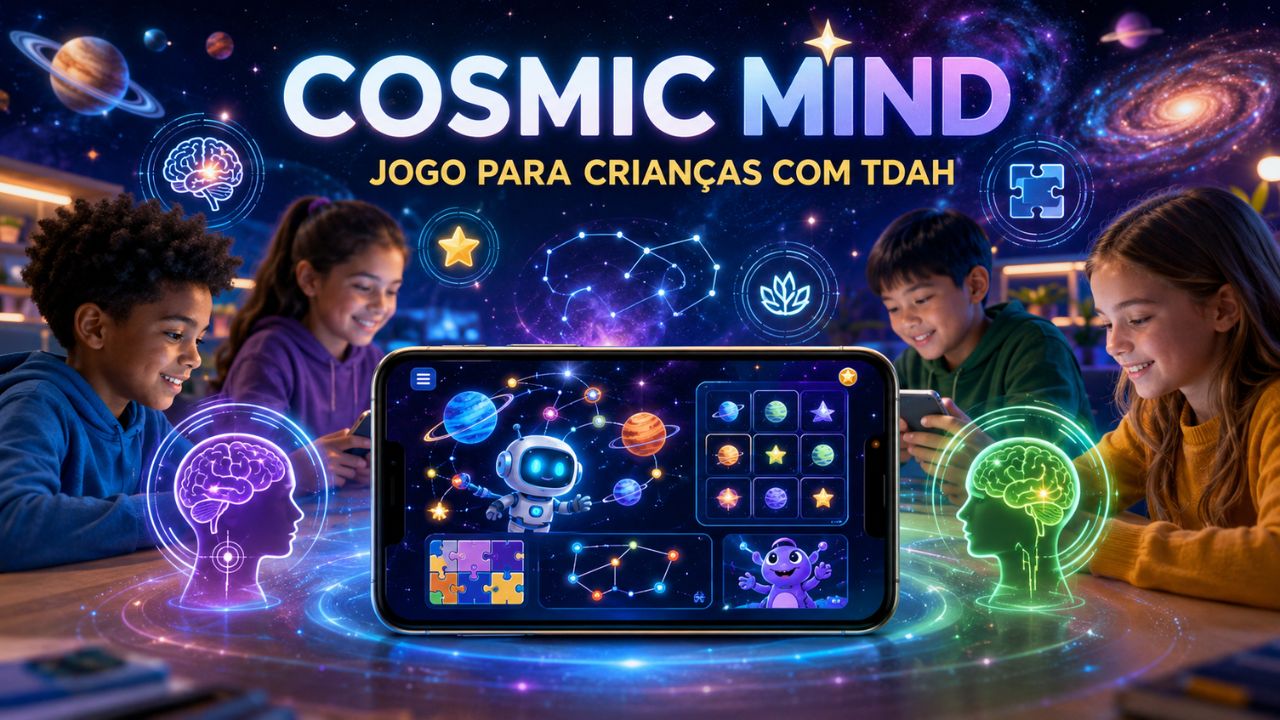
Game was designed for children with ADHD
The digital tool was specially developed for children diagnosed with ADHD, a condition described by the Diagnostic and Statistical Manual of Mental Disorders (DSM-5) of the American Psychiatric Association, as a neurodevelopmental disorder characterized by harmful levels of inattention, disorganization, and hyperactivity or impulsivity.
According to the specialists consulted by the team, the activities present in the game can stimulate attention to detail and contribute to the development of hand and finger motor coordination.
Despite this, the creators emphasize that the goal is not to replace health or education professionals. “Our intention is not to replace professional monitoring or provide diagnoses, but to offer a complementary tool that combines learning, technology, and fun,” said Eduarda.
One of the initiative’s differentiators is taking advantage of children’s growing interest in digital environments. According to the developers, the proposal seeks to use this frequent contact with technology to promote educational experiences in a more engaging way.
Eduarda highlighted that the idea is to transform the time dedicated to games into an opportunity to work on important skills in a light manner.
“Children are increasingly connected to the digital and gaming universe, so we sought to transform this interest into an experience that can also stimulate important skills in a light and engaging way,” she explained.
Furthermore, the platform allows family members and professionals to monitor the participants’ progress, expanding the possibilities for performance monitoring during activities.
Space adventure is the central theme of the game
Named Cosmic Mind, the project uses a narrative inspired by space exploration.
During the experience, the child takes on the main role in a journey full of discoveries and challenges. Throughout the journey, characters accompany the player and help build the narrative.
According to the team, the proposal seeks to stimulate elements such as:
- Curiosity;
- Imagination;
- Reflection on choices;
- Perception of evolution;
- Construction of future goals.
Some aspects of the operation remain confidential. According to those responsible, the measure seeks to protect intellectual property and preserve competitive characteristics of the project before its launch.
Next steps of the students’ project
Although there is no announced release date yet, work continues to progress.
Currently, the team’s focus is on improving the tool, expanding contact with specialists, and seeking validation opportunities with clinics, institutions, and partner professionals.
The development is conducted by the Spectrum and Selenes teams, formed by students from courses related to Multiplatform Software Development, Systems Analysis and Development, and Digital Games.
Students from Fatec Praia Grande and Fatec São Caetano do Sul participate in the project. In addition to Eduarda Belles, the team includes Ângelo Ferreira, Luigi Campregher, Raiza Antoneli, Takeshi Aoki, Ellen Gouveia, Luana Fontenele, Brenno D’Luca, and Zeus Machado.
Recognition drives the initiative’s evolution
Even before reaching the public, the project has already gained prominence at industry events.
The initiative received the titles of “Best Educational Game,” awarded by a technical jury, and “People’s Choice Game,” determined by popular vote during the Santos Game Power Up.
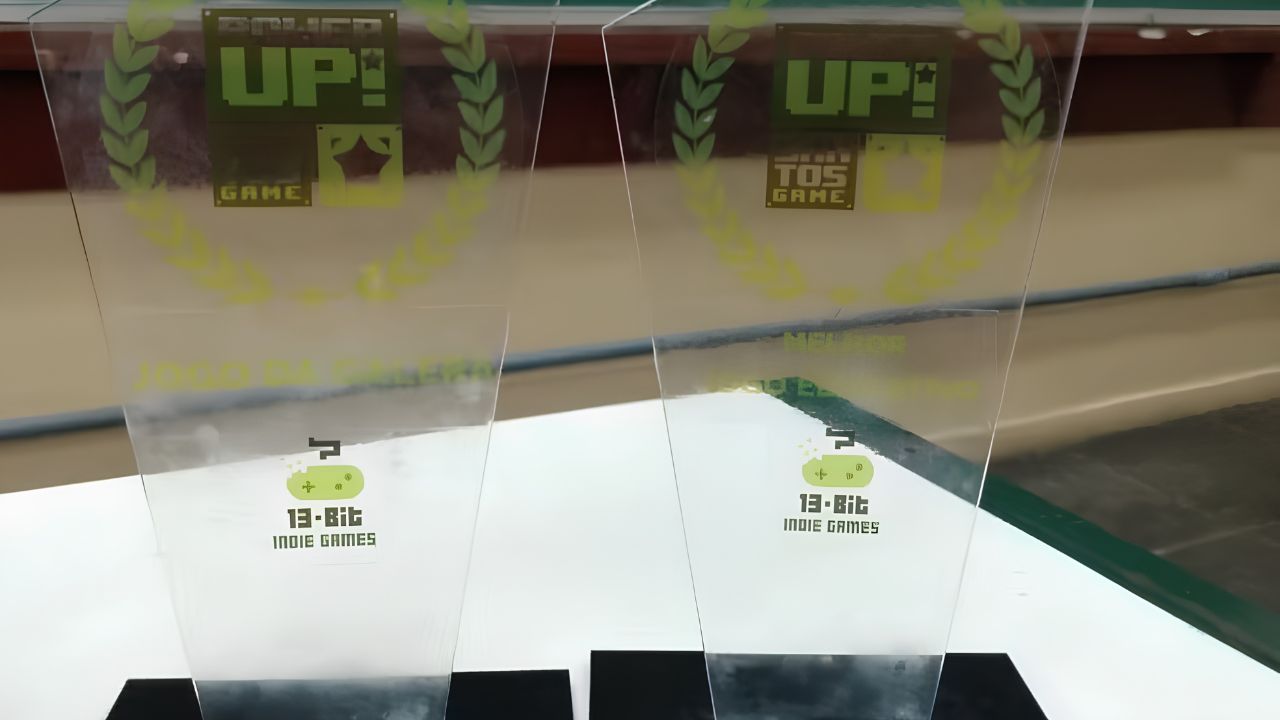
The recognitions reinforced the team’s interest in expanding the development of the solution, which seeks to combine technology, education, and family monitoring to assist children with ADHD through an interactive digital experience.
Source: g1