Portuguese
  Spanish


While China approves a ninety-kilometer tunnel under the sea and Mexico completes a rail corridor linking two oceans, Brazil, the size of a continent and dependent on railways to transport its wealth, is still debating projects promised almost twenty years ago and watches its record harvest rot in the truck queue.
There are contrasts that hurt to look at, and Brazilian logistics is one of them. Around the world, countries are building transportation works that seem like fiction: China piercing the sea to connect cities, Gulf countries signing 300 km/h bullet trains to cross the desert in two hours, Mexico opening a rail corridor between the Pacific and the Atlantic as an alternative to the Panama Canal. Everything coming off the drawing board in the blink of an eye.
In Brazil, the story is different. The country has a continental size, produces grain and ore in huge quantities, and needs, more than almost any other, a strong railway network to take this production from the interior to the sea. But our railway is stuck in a cycle of promises, stoppages, and re-bidding that has dragged on for decades, while trucks overload potholed roads.
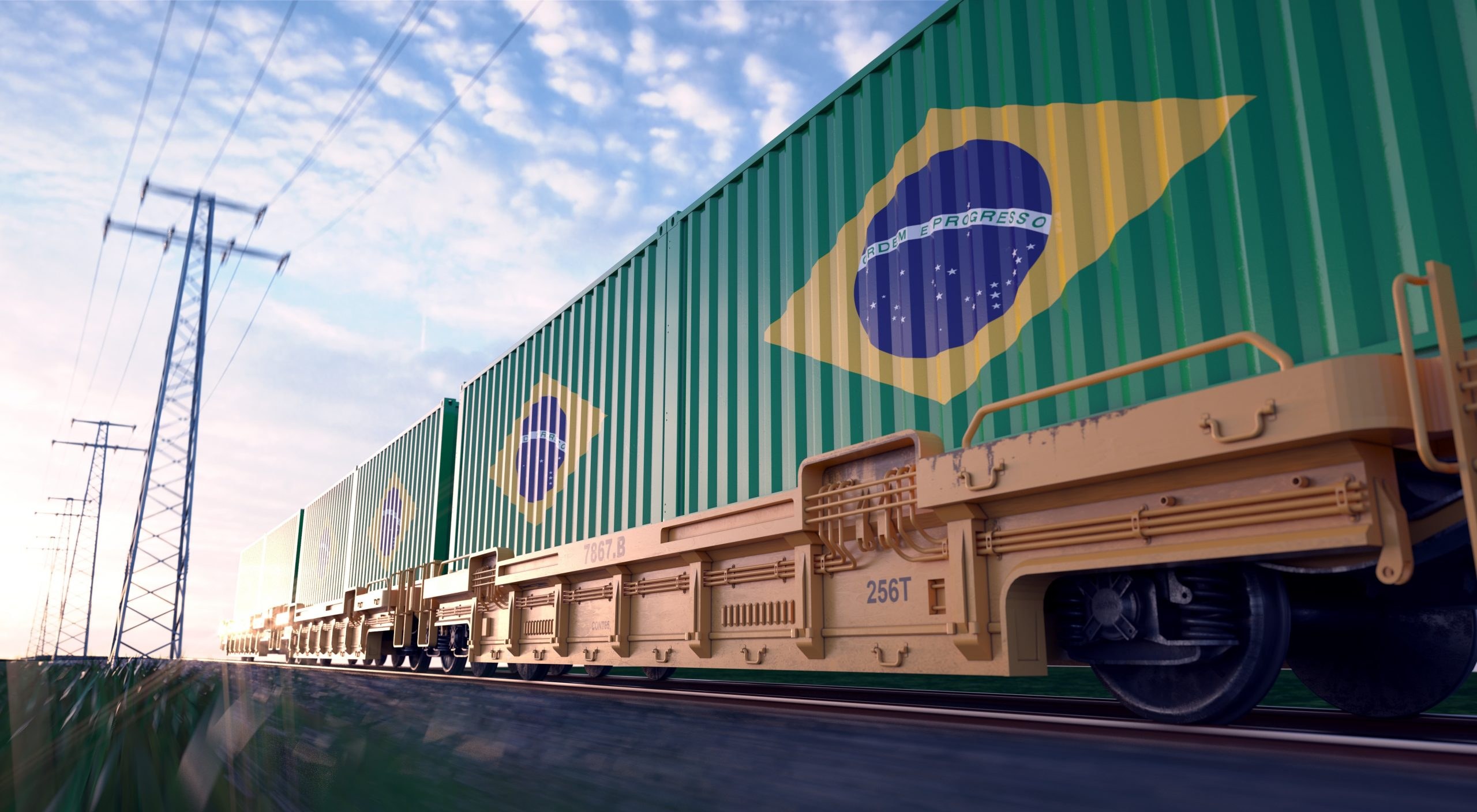
The railways that never leave the drawing board
The list of stalled projects is almost a monument to frustration. The Ferrogrão, which would connect Mato Grosso to northern ports to transport soybeans, was stalled in court for years due to environmental and land disputes. The Transnordestina, which promises to cut through the hinterland to the coast, has been dragging between stops and restarts since the mid-2000s. FIOL, in Bahia, is another that has been waiting too long. These are projects announced as salvation and that age on the drawing board.
-
Key Infrastructure Projects for Brazil’s Next President: Expanding Railways to Cut Transport Costs, Reduce Truck Traffic, Create Jobs, and Boost Industries Nationwide

-
Students Build Kansas’ First Hemp-Insulated Social House for a Needy Family: 85% Less Concrete, Solar Roof Returns Energy to Grid, Carbon Negative in Under 20 Years

-
China to Drill 90 Kilometers Under the Sea to Connect Two Cities Currently Linked Only by Ferry

-
18 m² Home Built in Two Days by Teto Volunteers Provides Shelter from Insects and Cold for Resident in Brazilian Community; 43 Delivered in 2026


The government has promised a robust package again, with hundreds of billions of reais in new railways and a line of auctions for the coming years. The intention is good, and the planned money is large, but those who follow the sector have learned to separate the announcement from the inauguration. We’ve seen this movie before, and the ending usually has more meetings than tracks laid. I confess I hope this time will be different.
Why the railway stalls here
The causes accumulate. There’s the difficult geography, with huge distances and complicated terrain; there’s the financing, because railways are expensive and provide returns in the long term, which scares off eager investors; and there’s the judicialization, with projects stalled by injunctions, licenses, and conflicts of interest that drag on for years. Add it all up, and you have the perfect recipe for paralysis.
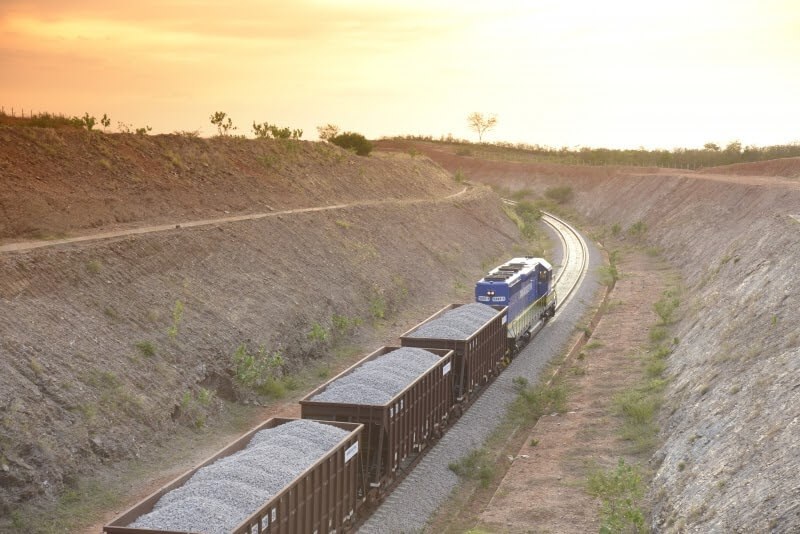
There is also a historical legacy. Brazil bet on road transport starting in the last century, building a country on wheels instead of tracks, and undoing this decades-long choice is expensive and slow. The result is that today we move grain and ore by truck for thousands of kilometers, in a model that is more expensive, more polluting, and more prone to congestion than the train that the rest of the world uses for the same type of cargo.
The number that sums up the tragedy is simple: about two-thirds of all Brazilian cargo still travels by truck, while in countries of similar size, trains and waterways carry the majority. It’s like trying to supply a continent with the network of a small country, and this wrong choice takes a toll on every sack of soybeans, every ton of ore, every road that wears out prematurely under the weight of the trucks.
Meanwhile, abroad, the track advances without drama. China itself has built the world’s largest high-speed rail network in two decades, and countries much smaller than Brazil maintain freight railways that run non-stop. It’s not a matter of inaccessible technology or industrial secrets: it’s decision, planning, and continuity, three things that our infrastructure policy has rarely managed to maintain long enough for the work to be completed.
The cost of delay
This logistical abyss is not a technical detail; it’s money lost every day. Every ton of soybeans that travels by truck instead of train arrives more expensive at the port, and the Brazilian producer pays, in freight, a much larger slice of the grain’s value than, for example, the American competitor. In the global competition for the market, we start behind not because we plant worse, but because we transport worse. It’s like winning the race at the start and losing along the way.
The paradox becomes glaring when looking at the record harvest. The country harvests like never before, but sees part of this abundance turn into truck queues and extra costs precisely because there was no track to handle the volume. Producing, Brazil has learned in abundance; transporting, not yet. And until that changes, every record in the field comes with a leak of competitiveness on the road.
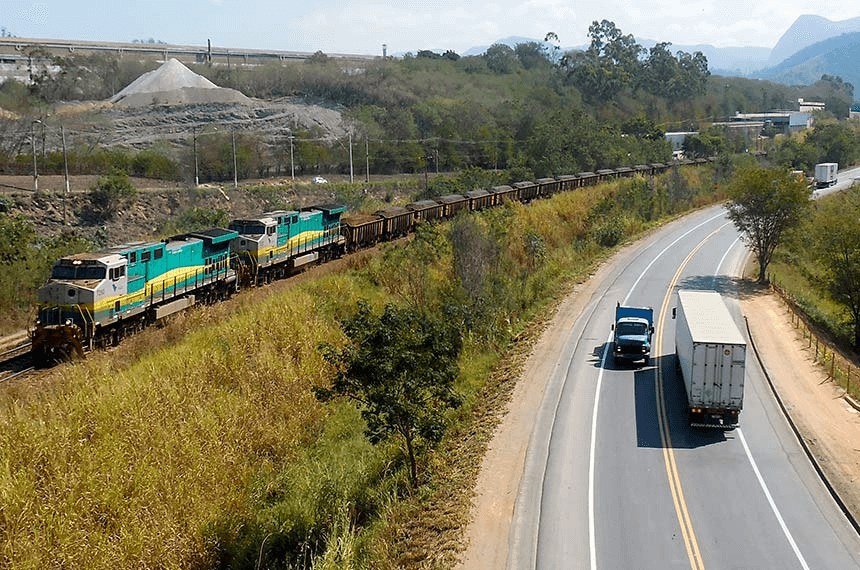
The hope is that the pressure from the production itself will force the change. With the harvest growing every year and the bottleneck becoming unsustainable, it becomes increasingly expensive not to build railways, and perhaps it is this cost, more than any speech, that will finally get the projects out of the drawer. I imagine the size of the country we would have with the network that the rest of the world is building.
For now, the picture is this: on one side, the world digging the sea and crossing deserts at 300 per hour; on the other, Brazil discussing, once again, the railway it promised twenty years ago. The difference between the two sides is, at the core, the difference between deciding and executing.
Why can Brazil plant like no one else, but not build the railway it needs?