






 Portuguese
  Spanish
  3 min of reading
  0 comments


With an initial capacity of five tons per day and a structure prepared to reach 20 tons daily, the new Coopram unit strengthens aquaculture, family farming, and job creation in Espírito Santo
An investment of approximately R$ 12 million will expand tilapia production in Espírito Santo with a new industrial unit of the Cooperativa de Empreendedores Rurais de Domingos Martins, Coopram. The structure will be inaugurated in July, starting by processing five tons per day and is already prepared to reach 20 tons daily, strengthening rural producers, jobs, and the Espírito Santo aquaculture.
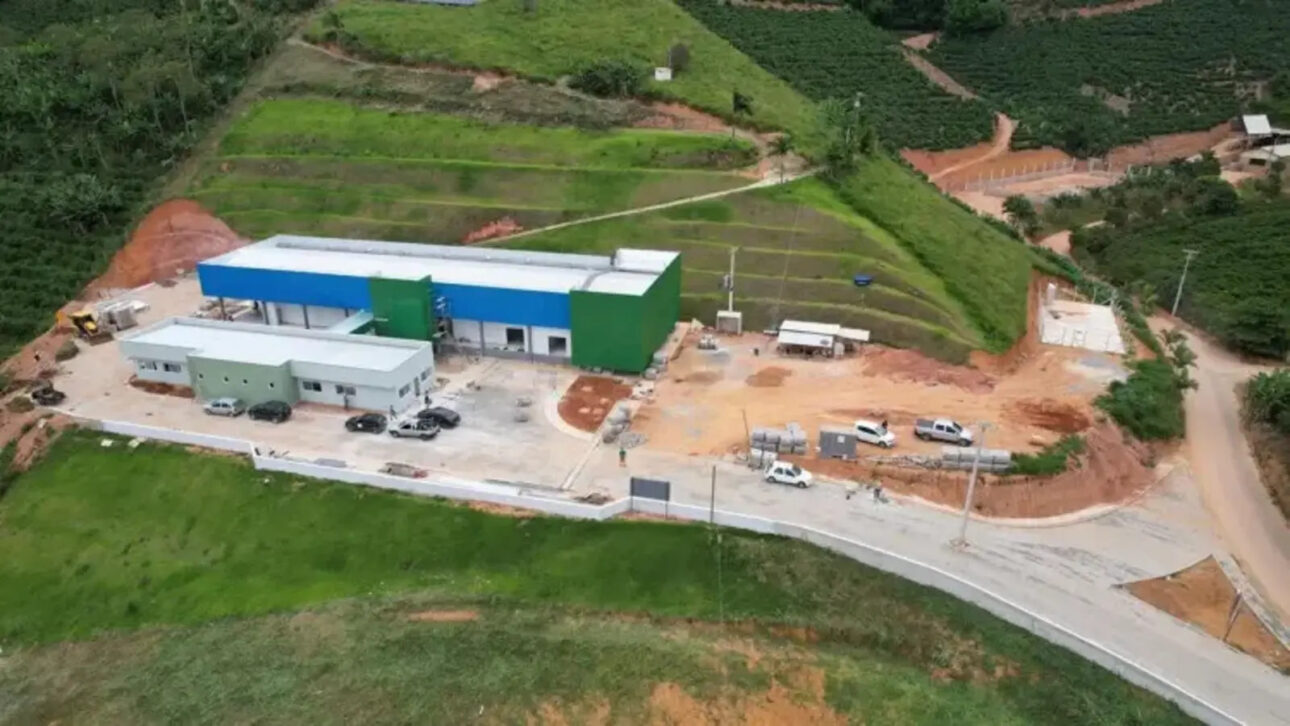
Unit expands scale of tilapia production
The new fish processing unit marks a change in scale for Coopram’s operations. The structure begins operation with an initial capacity to process five tons of tilapia per day, but it was designed to reach up to 20 tons daily.
In practice, the investment increases the industrialization capacity of the production chain. With this, the cooperative will be able to expand the supply of processed fish and derivative products to different markets.
-
The “blusinhas tax” was canceled in May 2026, and now the government has already confirmed that it will charge tax again on international purchases starting in 2027, this time with no value limit.

-
Not even the end of the ‘roller coaster’ described by the price of Brent crude oil (the main global benchmark) – which jumped from a price of $72 to $120, then dropped to $76 per barrel – due to the recent peace agreement between the US and Iran, was enough to relieve the Brazilian economy from inflationary pressures.

-
With JBS in the egg business, Mantiqueira accelerates expansion in the United States, recovers operation affected by avian flu, and projects 10 million birds by 2027.
-
A man went to the supermarket in China with the salary of a single day’s work, and what he put in the cart will make any Brazilian question why they pay so much to eat so little.


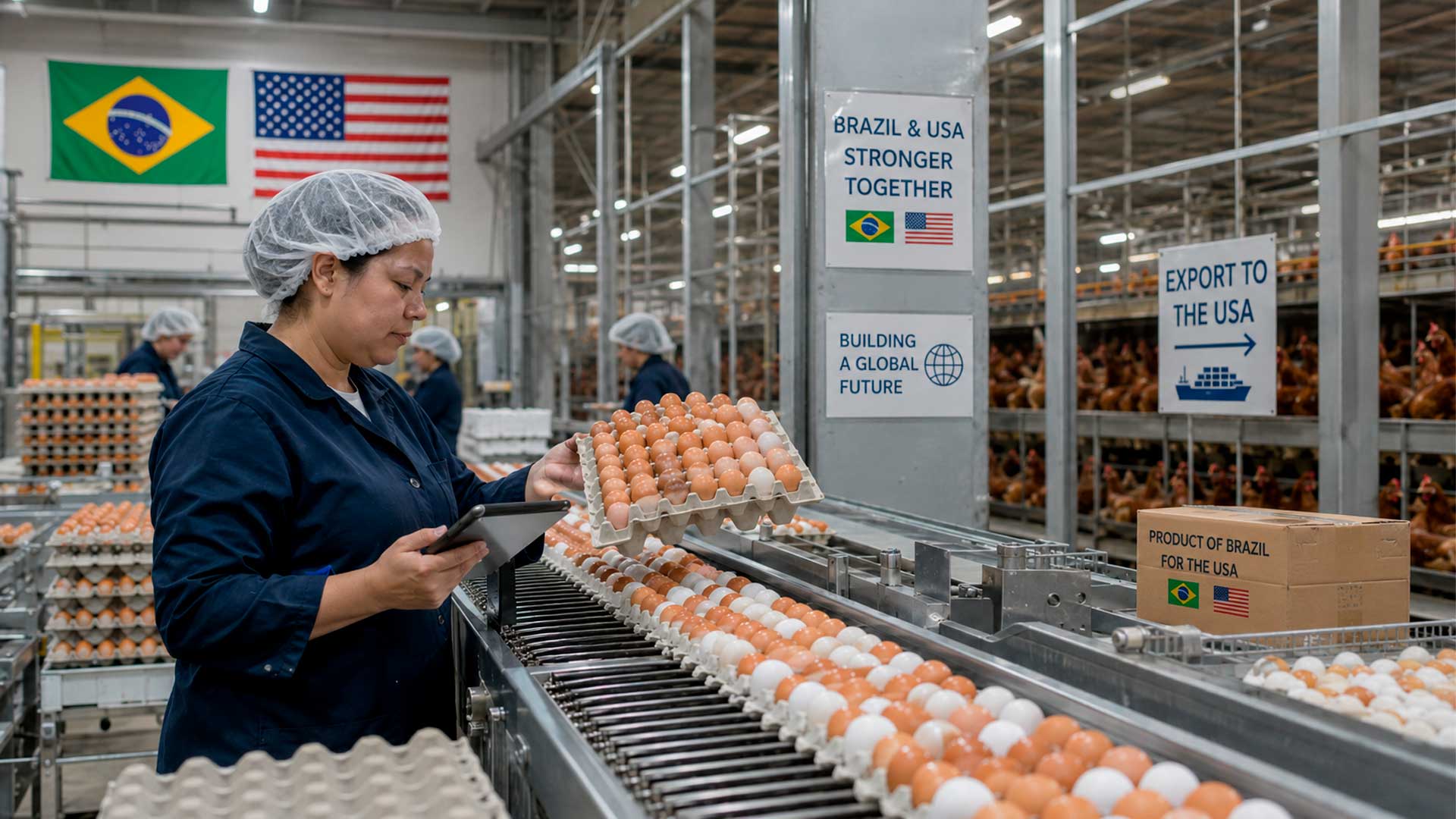

The enterprise is presented as one of the largest recent investments in Espírito Santo aquaculture.
The new factory also reinforces the presence of cooperativism in organizing rural production, especially among small producers.
Cooperative gathers producers and strengthens income in the field
Coopram works with hundreds of rural producers in Espírito Santo. Besides aquaculture, the cooperative also gathers farmers involved in the production of coffee, beans, honey, spices, avocados, fruits, and other crops from the mountainous region of Espírito Santo.
In tilapia production, about 150 members participate directly in the activity. The collective model helps in organizing production, technical assistance, and marketing, points considered essential for small producers to access larger markets.
According to Darli José Schaefer, president of the cooperative, tilapia has ceased to be just a complementary activity for many families.
He states that, with the organization of the cooperative, farming has come to represent business, income, and the opportunity to remain in the countryside with dignity.
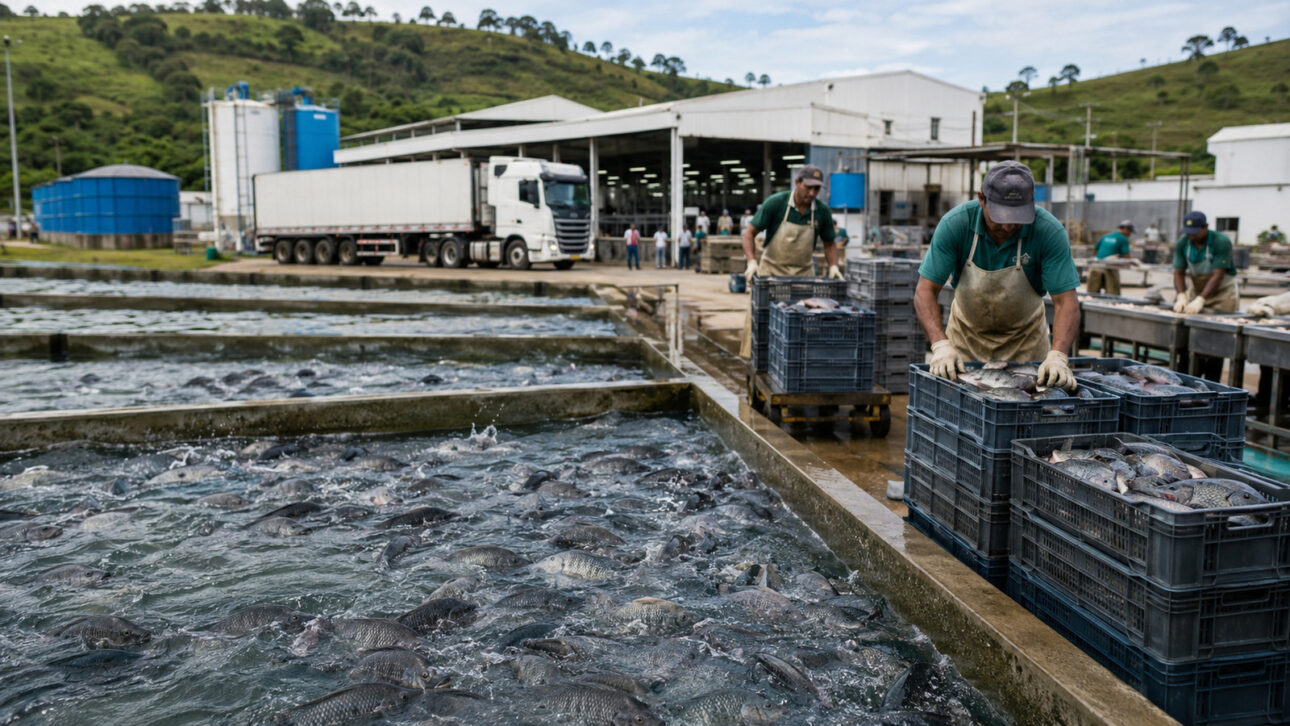
Industrialization paves the way for new products
The new structure will not only be used to expand the processing of fresh fish. The cooperative’s expectation is to advance in the production of derivative items, with higher added value and greater commercial reach.
Among the planned products are tilapia burgers, fish kibbeh, tilapia balls, and processed and packaged cuts for retail. This diversification allows the fish to reach consumers in different formats.
Verticalization also reduces the dependency on selling raw products. With industrialization, the cooperative can seek space in supermarkets, wholesale networks, and national distribution channels.
Jobs and the production chain gain regional impact with fish
The expansion of the unit is expected to generate about 30 immediate direct jobs. The projection presented is that the number will exceed 100 new positions in the coming years, in addition to indirect jobs along the production chain.
The impact is not limited to fish production. The new structure boosts areas such as transportation, logistics, suppliers, technical assistance, regional trade, and services related to fish processing.
The advancement of fish farming in Espírito Santo draws attention for the combination of family production, cooperativism, and industrialization.
The model shows how an activity previously complementary on rural properties can become a more structured source of income.
With the new factory, Coopram strengthens its position within the tilapia chain and expands its capacity to meet more demanding markets.
For the producers involved, the project represents more organization, greater production scale, and new economic possibilities in the countryside.
This article was prepared based on information from the base material provided about Coopram and the new tilapia processing unit in Espírito Santo, with data, numbers, and statements preserved as per the consulted material.







Be the first to react!