Portuguese
  Spanish


The “blusinhas” tax disappeared from the radar for less than two years. Starting in 2027, international purchases will be taxed again, now by the CBS, the new tax from the tax reform. The Senate will still define the exact rate in December 2026.
The “blusinhas” tax had a short life. The 20% Import Tax that applied to international purchases up to US$ 50 was revoked in May 2026. It lasted a little over two years since it was instituted and sparked intense debate about how much Brazilian consumers should pay to buy from foreign platforms like Shein and Shopee. Now, less than a year after the revocation, the federal government has already confirmed that taxation will return in 2027, with a different name and a different logic.
The charge will occur through the CBS, the Contribution on Goods and Services, one of the taxes created by the tax reform approved by Congress. The change is not just in nomenclature. The entire structure changes: instead of an exclusive rate for low-value international purchases, the CBS will apply to any operation of selling physical goods, digital or services, without distinction of origin or value. Those who buy from a Brazilian store and those who buy from a foreign platform will pay the same federal tax.
What changes in practice for those who buy abroad
Until May 2026, an international purchase of R$ 100 reached the consumer costing R$ 144.58, already with the 20% Import Tax and the 17% state ICMS included. It was the era of the “blusinhas” tax in full operation. With the revocation, the scenario changed: the same product started to cost R$ 120.48, with only the ICMS being charged and the federal tax zeroed. This is the current scenario, which is valid until the end of 2026.
-
Brazil’s BNDES Funded Metro and Steel Plant Projects in Venezuela with Brazilian Support

-
Abandoned Building in Brazil to Become Biotechnology Unit with $10 Million Investment, Bridging Science, Industry, and Public Health
-
Company Offering “Stones to Diamonds” Scheme Sells Ruined Italian Homes to Brazilians for 1 Euro, Disappears with Promised Renovations, Leaving Buyers in Debt to Italian Tax Authorities Until 2028 Without Property

-
Plastic Packaging Drives Santa Catarina Industry to 230% Growth, Aiming for R$ 500 Million by 2030 Amid Sector Crisis, with New Gearless Line Expanding in Southern Brazil to Compete in South America

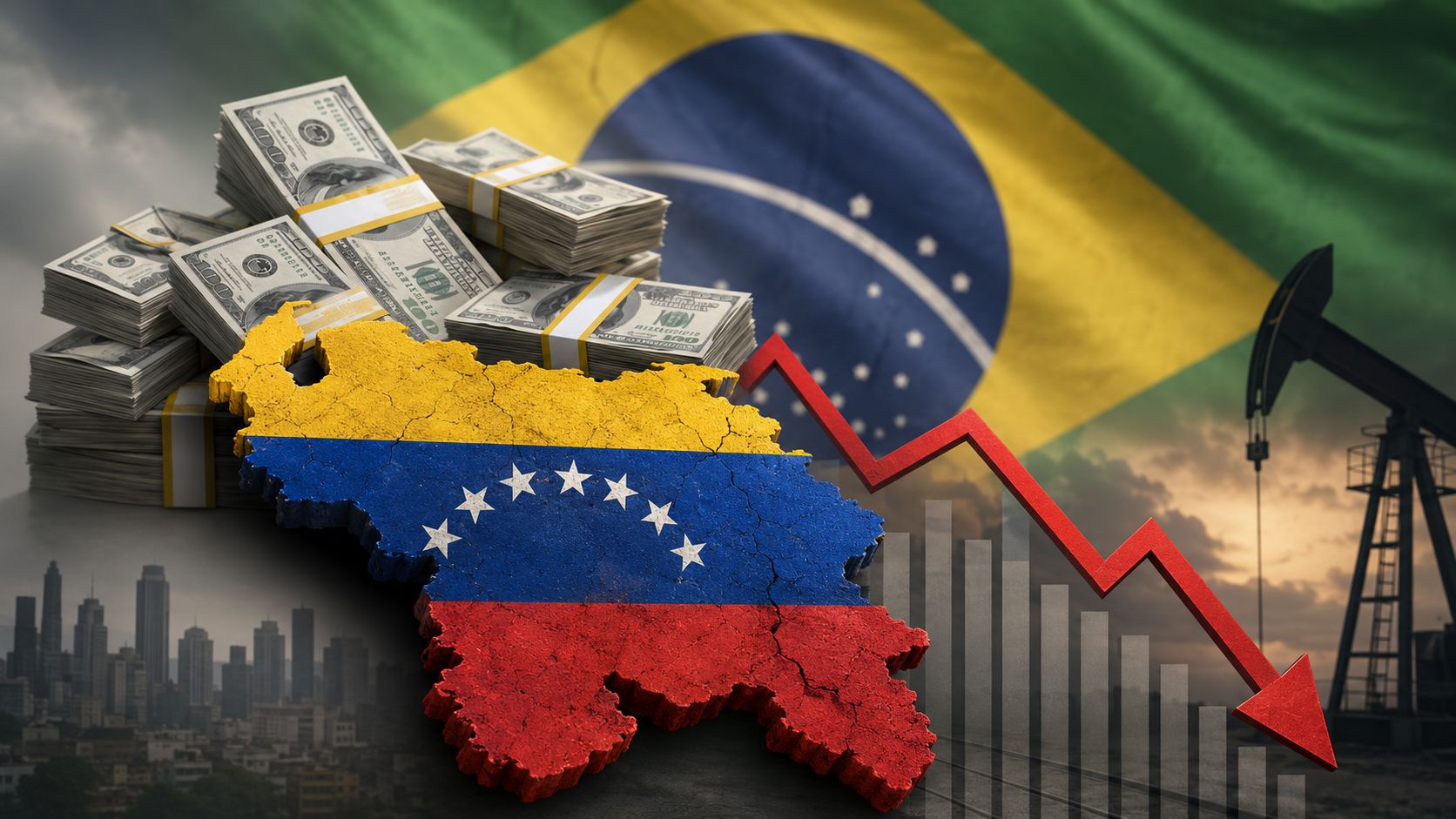


Starting in 2027, the CBS comes into play. Based on a projection by the Roit consultancy cited by Canaltech, the estimated CBS rate is 9.43%. Applying this percentage along with the 17% ICMS, the same purchase of R$ 100 will cost R$ 131.84. In other words: more expensive than today, but still a bit cheaper than during the 20% tax period. The Senate will set the exact CBS rate in December 2026, so this number may still vary.
Why the government is doing this
The central argument of the measure is tax equality. Today, a Brazilian store selling a t-shirt pays PIS, Cofins, and ICMS on that transaction. A foreign platform sold the same product without federal tax since the revocation of the blouse tax. This difference creates a competitive disadvantage for the national retail sector that the government and the sector consider unfair.
The CBS addresses this imbalance structurally. It unifies and extinguishes PIS and Cofins, which already apply to the domestic market, and will also apply to digital retail imports. The Import Tax, in turn, will no longer be applied to these low-value purchases and will be restricted to regulatory functions of the industry. In the view of the Institute for Retail Development, the equalization of taxes is a necessary correction to reduce the distortions that Brazilian commerce has faced for years.
ICMS continues and IBS is on the way
A point that escapes most discussions about the end of the blouse tax is that ICMS is not going anywhere in 2027. The state tax continues to be charged normally, both on national and international purchases. The change in the state structure will only begin to happen starting in 2029.
Between 2029 and 2032, ICMS and the municipal ISS will be gradually extinguished and merged into IBS, the Goods and Services Tax, which will be shared between states and municipalities. At the end of this transition, in 2032, the combination of federal CBS and state and municipal IBS is expected to result in a total rate estimated at about 26.5% on online purchases. This is the full amount that the consumer will face when the tax reform is fully implemented.
Shein, Shopee, and the consumer in the middle
Platforms like Shein and Shopee were the protagonists of the debate around the blouse tax because they concentrate a large part of the volume of low-value international purchases made by Brazilians. With the CBS, these platforms will need to pass the tax on to the final price, as the charge will be universal and without exemption by value range. The concept of a purchase “too small to be taxed” no longer exists.
For the consumer, the impact depends on how much the CBS rate will be after the Senate vote in December. If it remains at the estimated 9.43%, the bill will be more expensive than today but lighter than before May 2026. If the Senate sets a higher percentage, the blouse tax could return in full force, just with another name on the bill.
The report is from Canaltech, published on June 16, 2026, written by Marcelo Fischer Salvatico.
Will you change your international shopping habits because of the CBS in 2027, or do you prefer to wait and see what rate the Senate will set in December? Leave it in the comments.