Portuguese
  Spanish


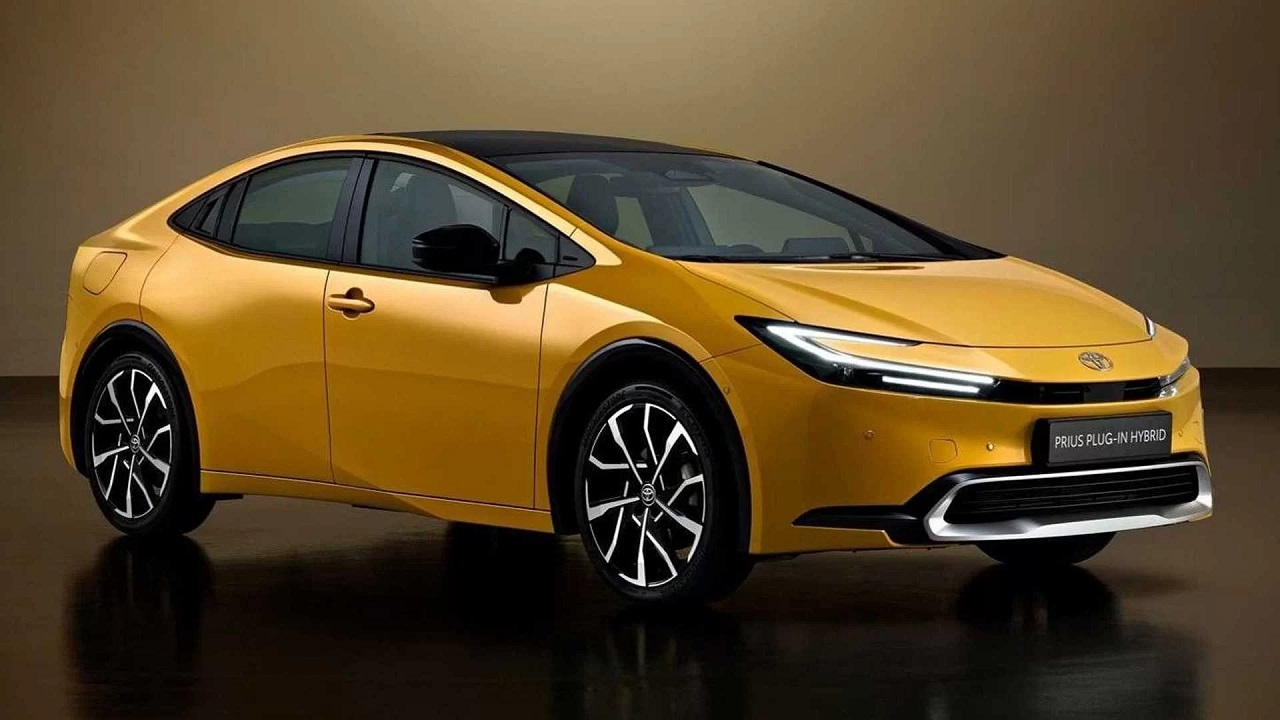

The New Version Of The Hybrid Car From The Japanese Giant, The Toyota Prius, Is About To Hit The Market With New Technologies. The Most Notable Is The Solar Roof That Promises To Deliver Extra Range To The Model.
This week, Toyota unveiled the fifth generation of its hybrid car Prius. The new version of the model features a new exterior look and new interior characteristics. With 25 years in the market, the Toyota Prius has become a benchmark in the hybrid car market. The Prius Plug-In Hybrid (PHEV) comes with an innovative system that includes a solar panel that promises to extend the range by up to 1,250 km per year.
Discover The New Design Of The Toyota Prius Hybrid Car
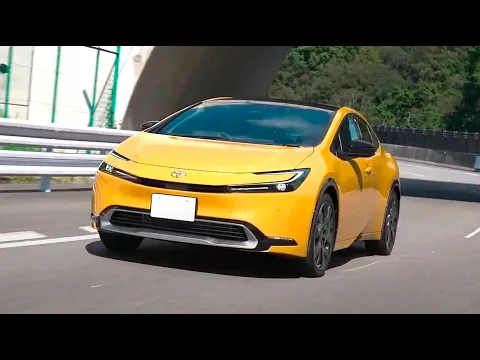

According to the Japanese automaker, the vehicle’s system uses solar radiation captured by a solar panel mounted on the roof to convert it into electrical energy for the batteries while the car is parked. The design of the car hasn’t changed much since 2015, and some details that have become a reference for the car are still present in the new version of the Toyota Prius.
One of them is the longer rear window, with contours and elegant lines characterizing a smooth transition to the trunk lid. The taillights, headlights, and bumpers have all been redesigned for a cleaner look. This new design language will gradually be applied to other Toyota models in the coming years.
-
1983 Chevrolet Runs Over 100,000 km Without Gasoline, Powered by Wood Chips, Reaches 125 km/h in Airport Test

-
Workshop Converts Giant Tractor Tire Tricycle into a Three-Wheel Drive Hybrid with 36,000-Watt Electric Motor Capable of Climbing Hills

-
Sales of Brazil’s Cheapest Electric Car Halted Before First Deliveries: E-Motors Suspends Emova Easy Due to Import Tax Increase and Rising Freight Costs

-
Nissan Discontinues Qashqai SUV Amid Cost-Cutting, Chinese Competition, and Product Line Review




The new hybrid car also features a lower center of gravity and larger wheels. The conventional hybrid model will come in two options: the more powerful version with a 2.0 combustion engine that has 193 hp when combined with the power of the electric motor, and the second variant that has a 1.8 engine, however, its power has not been revealed.
New Toyota Prius Goes From 0 to 100 Km In 6.7 Seconds
The more powerful and sporty version of the hybrid car will be the PHEV, with a combined output of 223 hp and acceleration from 0 to 100 km/h in just 6.7 seconds. According to Toyota, the improvements in the vehicle’s solar panel battery provide a 50% greater range when driving in electric mode, around 75 km (30 miles) compared to 54 km (31 miles) of the previous version.
As for the vehicle’s interior, a 7-inch (17.78 cm) digital instrument panel and a 12.3-inch multimedia console have been added, both of which can be updated remotely. The new Toyota Prius will be available in Japan during the second quarter of next year and will then be launched in other markets.
Fortunately, Brazil is likely on the list. According to Brazilian websites, company executives have stated that the importation of the vehicle, which stopped last year, will resume next year.
Toyota Will Also Focus On Hydrogen Engine Technologies
With the approval of the COP26, several automakers worldwide are focused on reducing carbon dioxide and CO2 emissions in their vehicles. Among these companies is Toyota, which has been demonstrating its efforts by proposing new technologies involving its hydrogen combustion engines. The future demands that automakers around the world reduce carbon dioxide and CO2 emissions in their vehicles.
Since COP26, this process has strengthened even further, thus new technologies are emerging, such as hybrid cars with hydrogen engines, electric vehicles, and biofuels. Keeping consumers in mind, Toyota is proposing to bring hydrogen combustion engines to the market with excellent environmental performance.
Last year, the company announced the development of a 1.6 hydrogen-powered inline three-cylinder engine. Also last year, the company put its project through rigorous testing.