





 Portuguese
  English
  Spanish
  3 min of reading


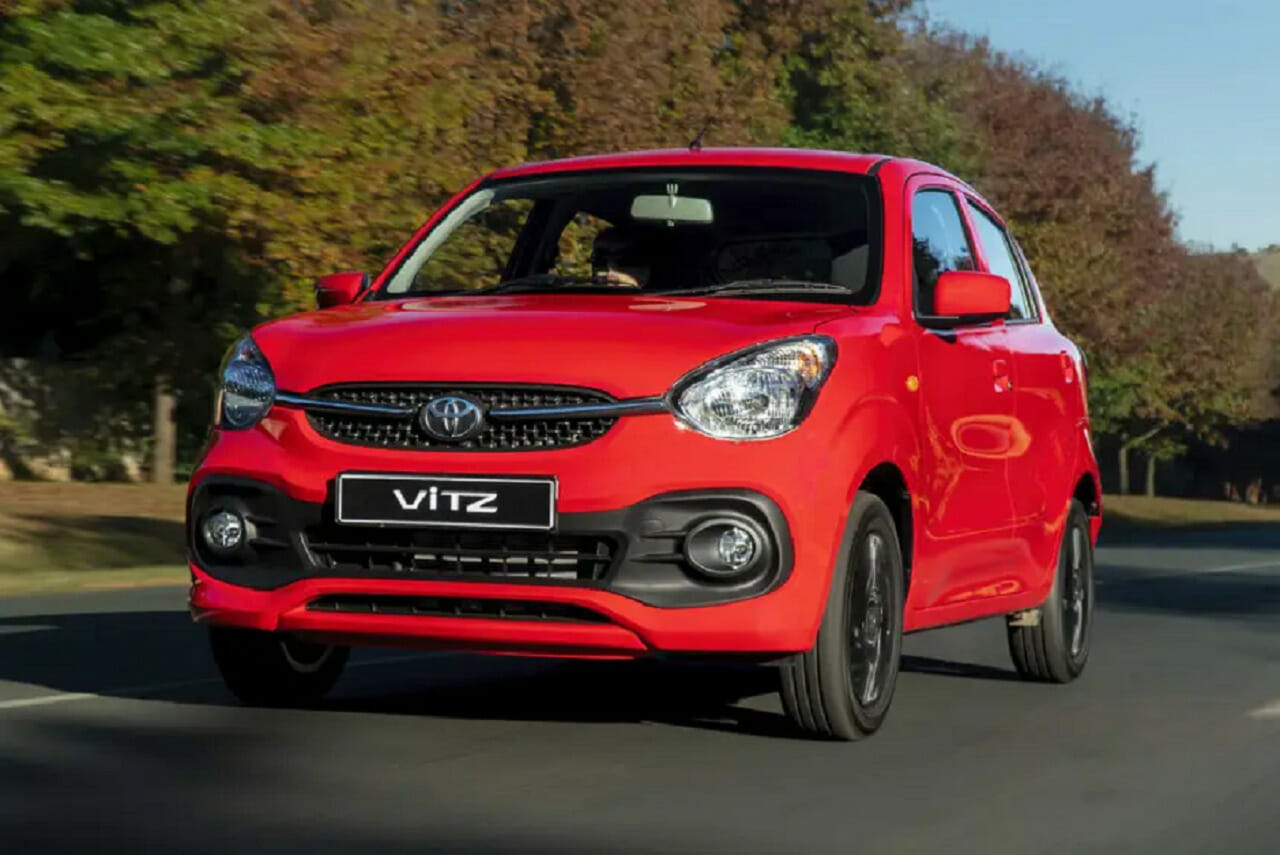
Japanese Manufacturer Launches New Cheap Car. The Toyota Vitz Could Become the Cheapest Car in Brazil, Overtaking Renault Kwid and Fiat Mobi.
On the day of the launch of the federal government’s incentive program for the purchase of new cars, Toyota presented a new model that could be very successful in the national market. The vehicle is named Toyota Vitz and, in summary, is a modified version of the Suzuki Celeiro. This car, which could be the cheapest car in Brazil, was initially launched only in South Africa.
Toyota’s Low-Cost Car Delivers 67 Horsepower


The new cheapest car in Brazil is a compact hatch, just slightly larger than the Fiat Mobi and the Renault Kwid, which are the main representatives in the national market.
The Toyota Vitz, from the Japanese manufacturer, measures 3.69 m in length, 1.65 m in width, and has a wheelbase of 2.45 m. In terms of engine, the Vitz falls short compared to its competitors. It features a 3-cylinder, 1.0-liter gasoline engine, which can provide the low-cost car with 67 horsepower and 9 kgf/m of torque.
-
Man pays only R$ 17,500 for a 2021 Hyundai Creta at auction, finds SUV covered in mud and with a stalled engine, but discovers the problem was much smaller than everyone imagined.

-
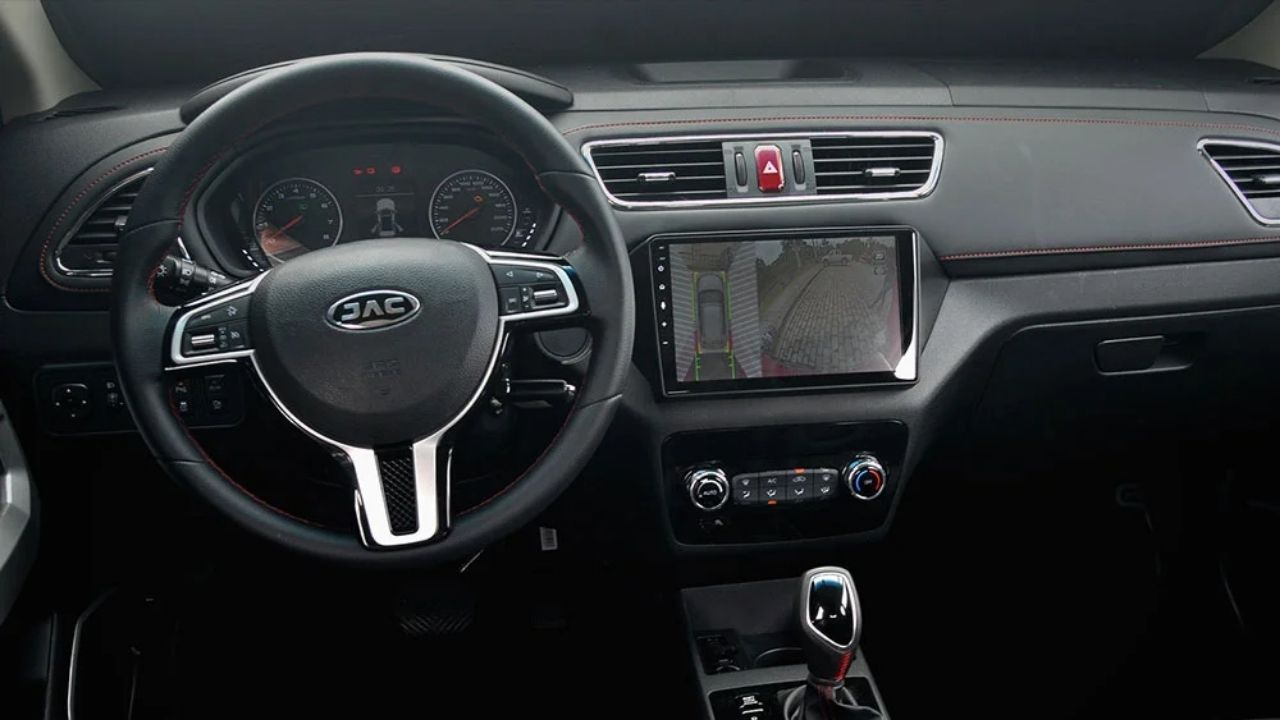
Cheaper than the JAC T60 Plus: with a 1.5 flex engine, 1.6 option with 138 hp, CVT-type automatic transmission, 360 camera, panoramic sunroof, and 10-inch central unit, this used Chinese SUV tries to convince those looking for a complete package: meet the JAC T40 Plus 2022.
-
Man spends 20,000 hours and 7 years building a functional wooden supercar with a Cadillac V8 engine, 20 types of wood, and a reported top speed of 320 km/h.
-
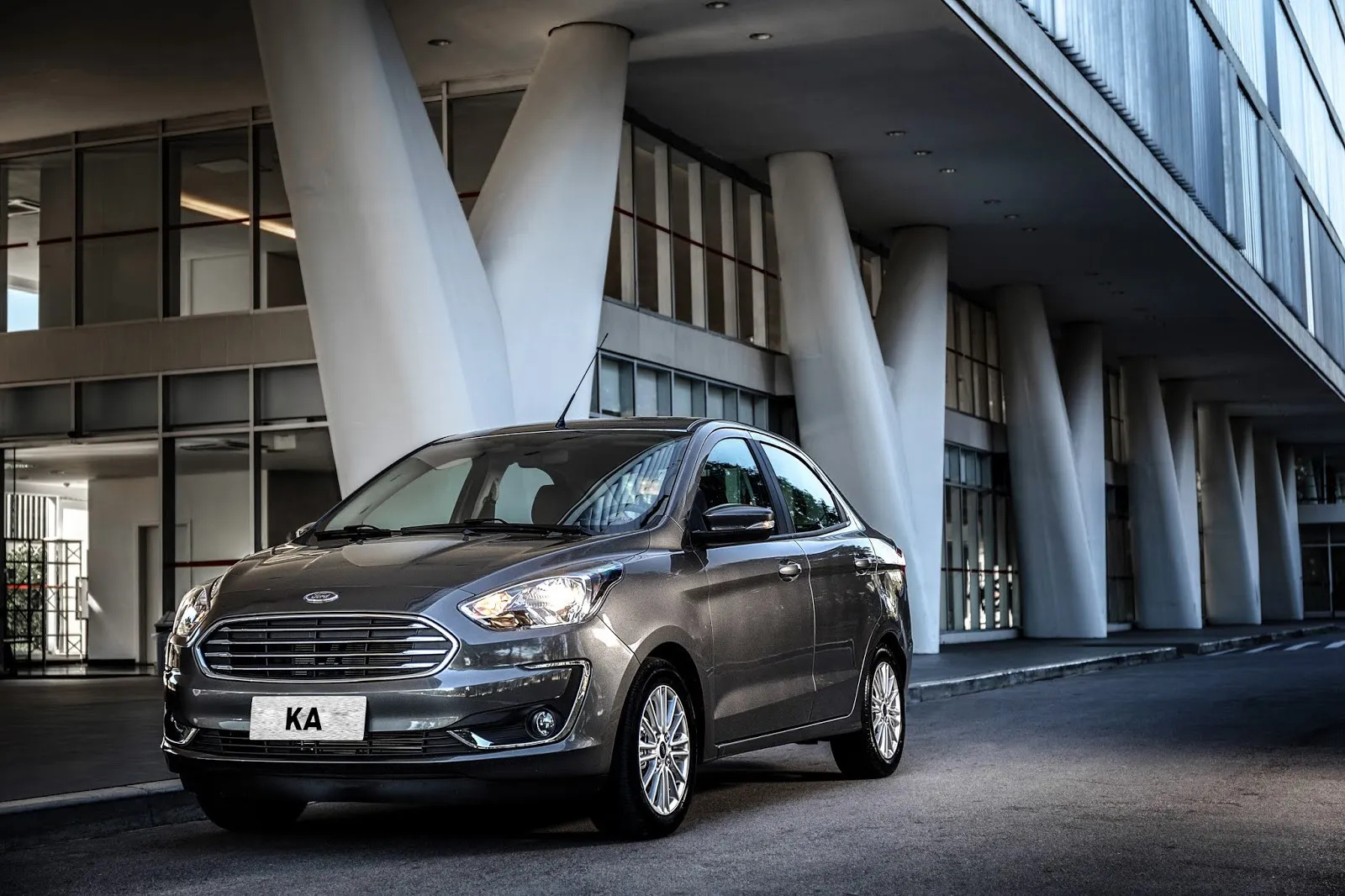
With a compact design and performance above expectations: 1.5 flex engine with up to 136 hp, 6-speed automatic transmission, 445-liter trunk, and four airbags make the Ford Ka Sedan Titanium 1.5 Automatic 2020 a well-equipped used car.



The model comes with a 5-speed manual transmission. On the Japanese manufacturer’s website, there are two version options, one of which includes automatic transmission. Despite lagging behind its competitors in terms of power, the major attraction and differentiator of the Toyota Vitz lies in its price.
While Fiat and Renault’s compact models are sold for around R$ 70,000, the Vitz is being sold in South Africa starting at US$ 9,900. Converting to our currency, the cheapest car in Brazil starts at R$ 49,200, which is well below the price range of popular cars.
New Toyota Vehicle Features Various Technologies
There is anticipation for the model to arrive soon in the Brazilian market, further increasing competition among automakers in the popular car sector. Abroad, the model is in its fourth generation, as it is one of the market favorites. Unfortunately, the Toyota Vitz has not yet arrived in the country, but its arrival seems to be getting closer.
According to the manufacturer, despite being an entry-level vehicle, the low-cost car still offers complete technology and accessory packages. This way, the owner of the cheapest car in Brazil can include a multimedia center compatible with Apple CarPlay, a rear parking sensor, and airbags.
Finally, its fuel efficiency is also a major draw, making it perfect for those who want to drive more and spend less.
Federal Government Releases List of Discounted Popular Cars
The Ministry of Development, Industry, Commerce and Services (MDIC) announced that nine automakers have joined the popular car discount program launched by the federal government last week.
Thus, 31 different models will have discounts ranging from R$ 2,000 to R$ 8,000, totaling 233 versions. The automakers participating in the program are Renault, Toyota, Volkswagen, Hyundai, Honda, Nissan, General Motors (GM), Peugeot, and Fiat.
Initially, all automakers requested the maximum amount of R$ 10 million in tax credits when they joined the program. Six of them have already requested an additional R$ 10 million each. In total, the requests amount to R$ 150 million, representing 30% of the R$ 500 million limit that companies can use as tax credits for selling cheaper cars.


Be the first to react!