Portuguese
  Spanish


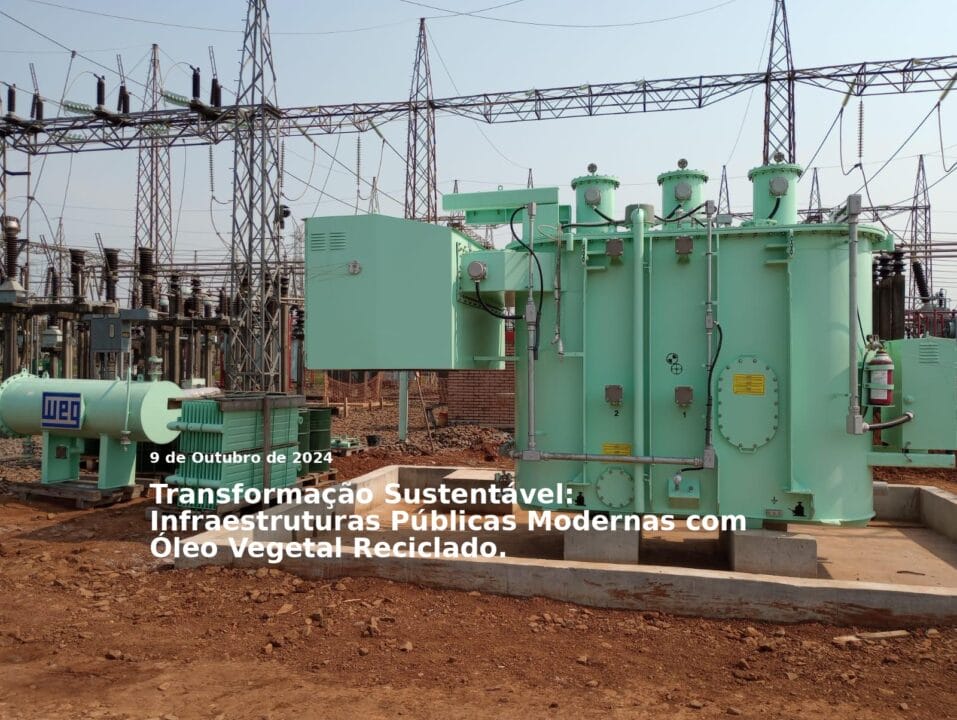

Companies Adopt Recycled Vegetable Oil, Improving Operational Safety and Reducing Environmental Impact in Innovative Projects.
Companies from various sectors have been heavily investing in the use of vegetable oil in sustainable processes, contributing to environmental preservation. The responsible use of vegetable oil in innovative initiatives is transforming the way they handle operational safety, as well as providing notable benefits to the ecosystem. These actions are aligned with a growing commitment to waste reduction and environmental protection.
The recycling of vegetable oil is one of the most promising processes in this trajectory. Many companies are adopting recycled vegetable oil, significantly contributing to the reduction of environmental impact and promoting a virtuous cycle of reuse. These initiatives with vegetable oil stand out for offering an ecological and efficient alternative, driving a new model of sustainability that is essential for the future. Innovation in these practices makes a real difference in the preservation of natural resources.
Innovative Use of Vegetable Oil at Itaipu
In the state of Paraná, the famous Itaipu Binacional plant has started an ambitious project using recycled vegetable oil in a series of innovative initiatives, including application in the company’s first power transformer. This new approach has the great advantage not only of significantly reducing the environmental impacts associated with used oil but also substantially enhancing operational safety. In practice, the transformer has a power capacity of 10 MVA, which is essential to power various crucial areas of the plant, such as the warehouses and the renowned Systems Integration and Training Center (CINTESC).
-
App Drivers Unite in Major Solidarity Effort to Aid Venezuela Earthquake Victims, Mobilizing the Brazilian Amazon with Donation Campaign

-
Green Roofs on Homes Gain Popularity for Reducing Heat, Noise, and Rain Impact in Brazil
-
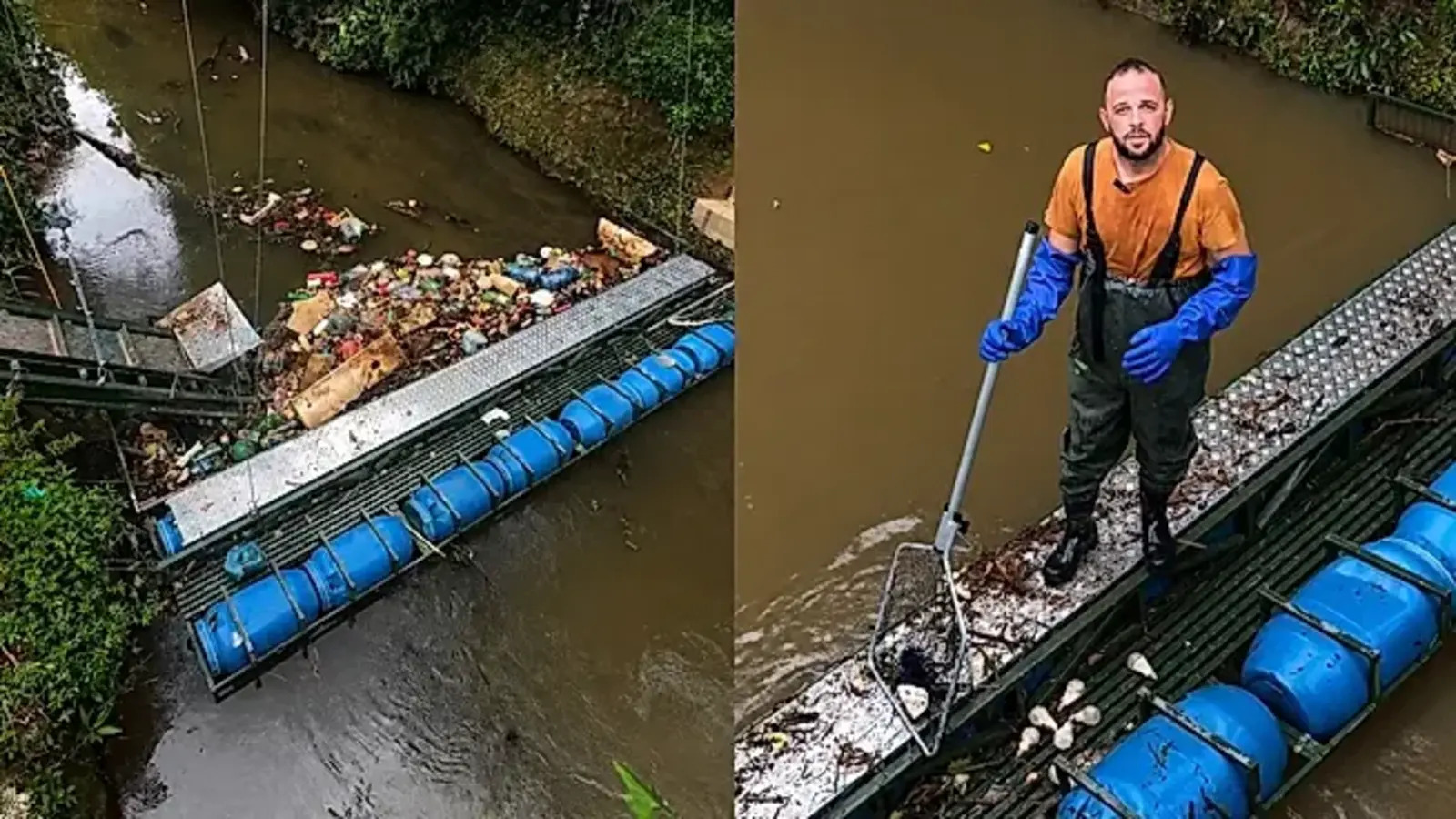
Brazilian promises his children to save a river, creates an eco-barrier in his backyard, has already removed more than 40 tons of trash from the water, and even inspires the idea in other states of the country.

-
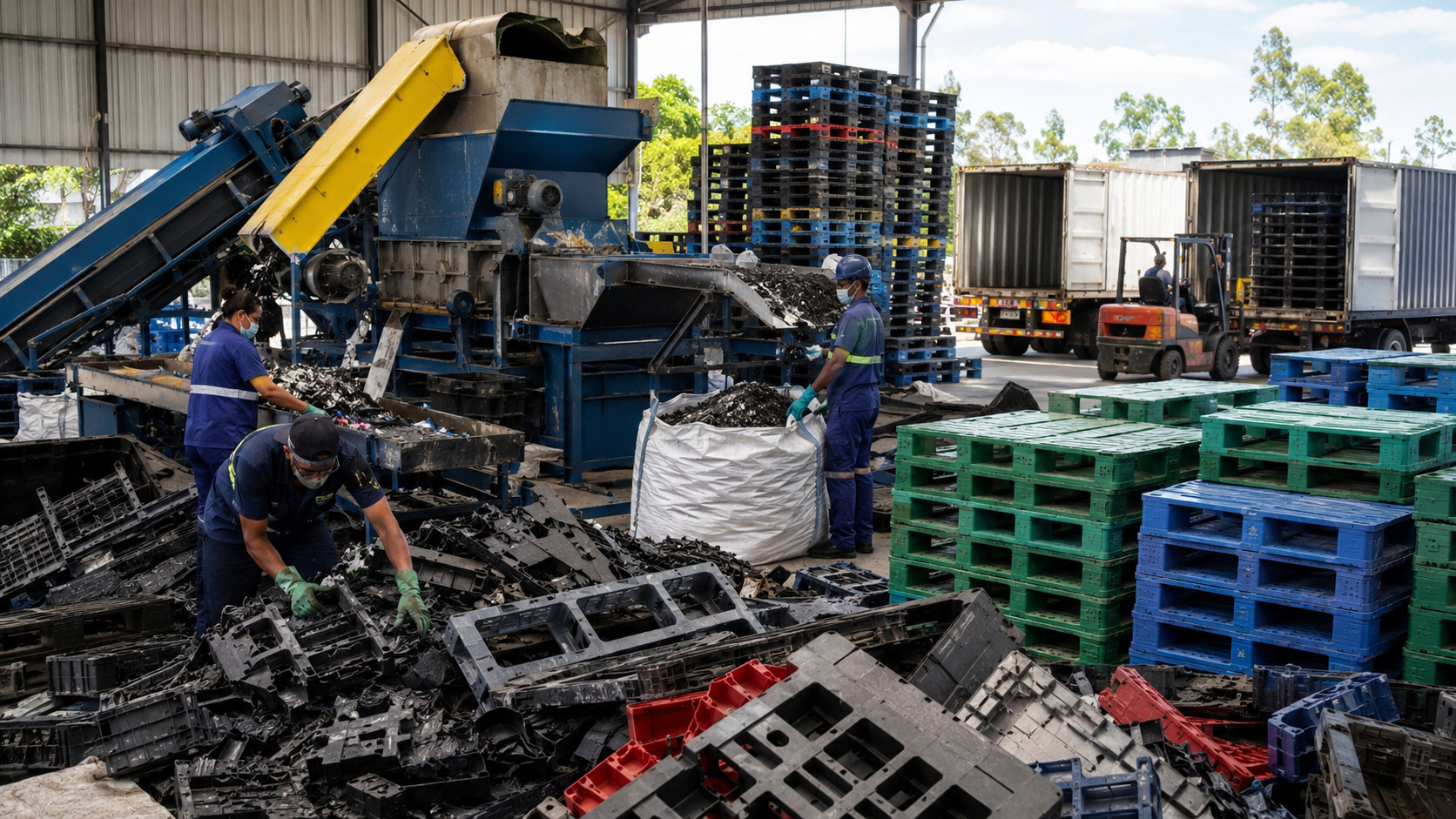
How a Brazilian company created a system that transforms broken pallets of any brand into new assets, recycles 80 tons of plastic per month, and found a profitable solution to a problem that challenges industries across the country.


The Global Trend of Recycled Vegetable Oil
According to the director of Ambiental Santos, Vitor Dalcin, there is a clear global trend underway to reuse used oil, which is already a consolidated practice in many private companies and is starting to gain traction among state-owned enterprises. Dalcin comments: ‘Perceptions about used oil previously fluctuated between seeing it as a pollutant or as raw material in the industry, but currently, it is essential in modernizing large public structures. This demonstrates the importance of the proper disposal of vegetable oil, reusing it, and bringing benefits to society.’
Sustainability and Technical Efficiency
On this path of modernizing public systems with a sustainable outlook, the choice to use recycled vegetable oil has emerged as one of the most effective options, especially considering the technical efficiency it provides and the enormous volume of used vegetable oil produced daily across all regions of Brazil. Used vegetable oil contributes to operational safety due to its high flash point compared to mineral oil; moreover, it is biodegradable, significantly minimizing risks to the environment.
Exploring New Applications
‘The issue of safety is undeniable’, reinforces Dalcin, since mineral oil, still widely used, derives from petroleum and is therefore more flammable, presenting additional complexities in disposal due to its fossil origin. The replacement of transformers using mineral oil with those using vegetable oil is expected to gain even more strength in the coming years within Itaipu’s Technological Upgrade Plan. The company plans to expand the application of this technology to other auxiliary transformers and service regulators of the plant itself.
Futuristic and Sustainable Roles
The transition being promoted is vital not only for achieving greater efficiency in daily operations but also for removing used vegetable oil from circulation that, if not managed properly, can cause damage to the environment, particularly affecting water resources such as rivers, lakes, and aquifers, as concluded by Dalcin. With this attitude, Itaipu Binacional illustrates a leadership role in the sustainable utilization of vegetable oil, reinforcing environmental and operational safety in its operational techniques.
Source: © Imprensa AMBIENTAL SANTOS